THE EXPERT
A collection of writing from the studio. Reflections gathered over years of designing homes — on materials and craft, on the architecture of cities and landscapes, on the small decisions that determine how a space feels to live in. Some pieces draw on specific projects. Others trace the longer arc of how I have come to think about interiors.
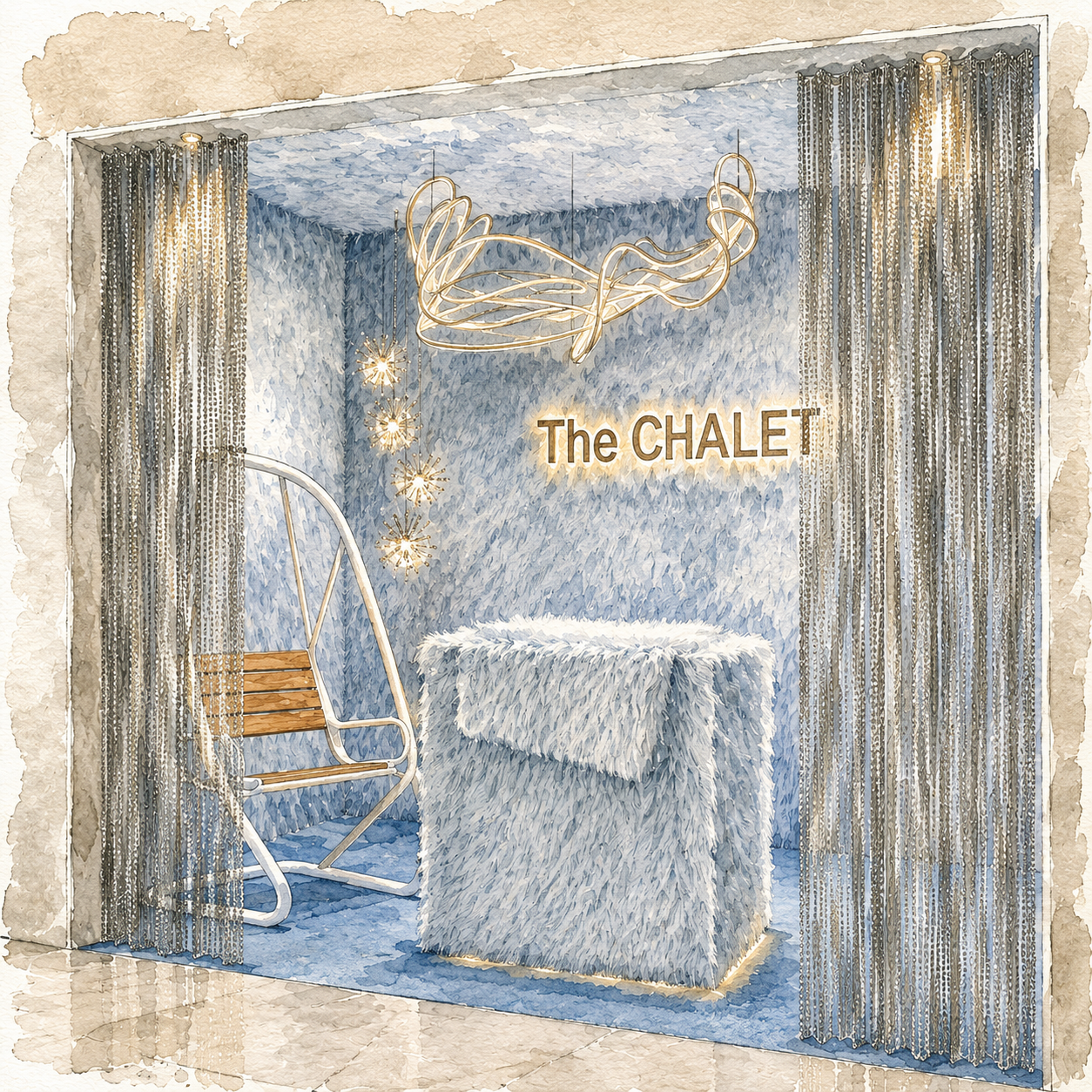
Claudia Dorsch on designing Decorex 2026's VIP Lounge: a chalet reimagined through craft, ritual and materials chosen to age, not photograph.
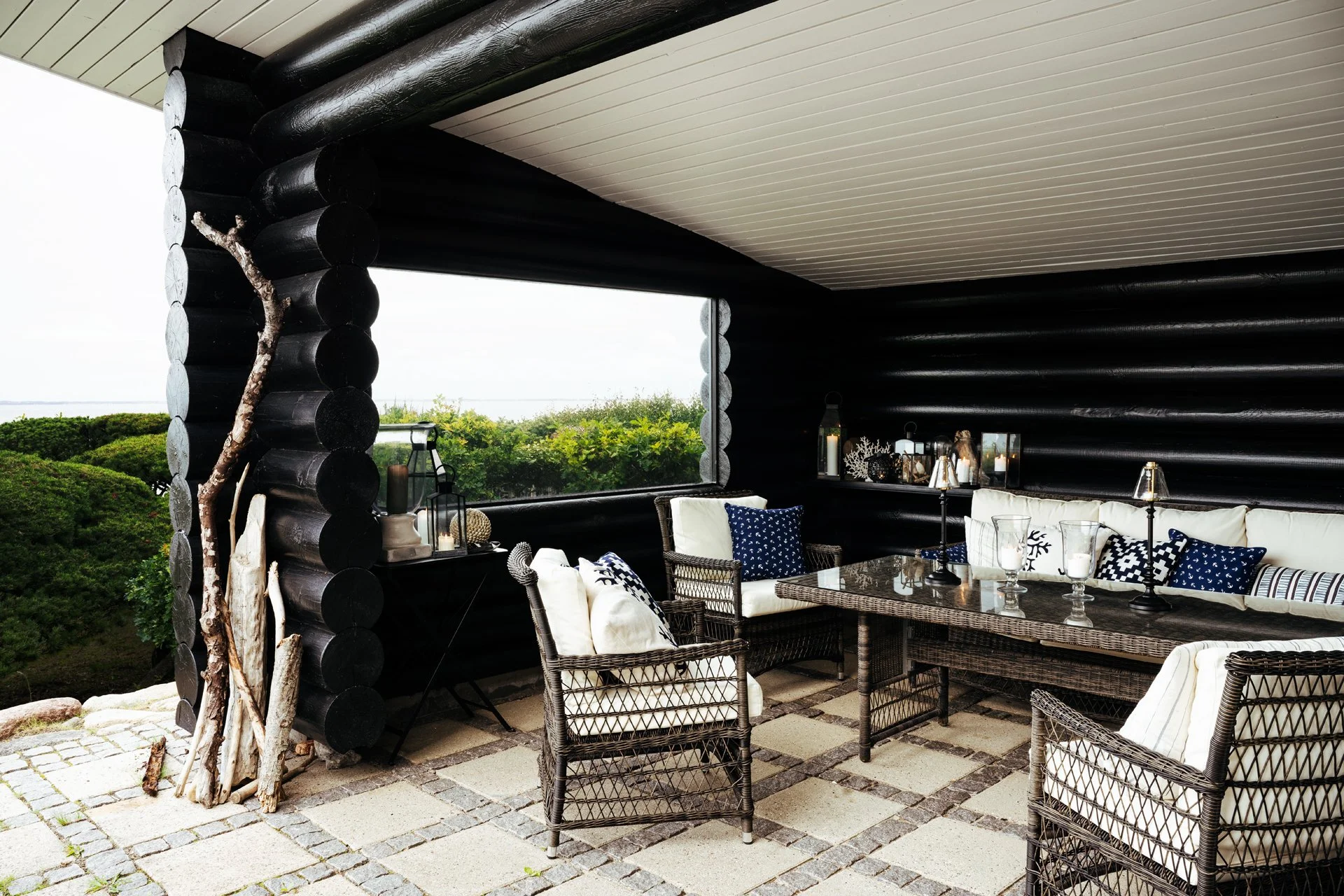
A personal reflection on why the mountains matter to Claudia, and why chalet design so often gets reduced to a list of objects. She argues for ritual over decoration and materials chosen to age well, in a home built to last generations.
Being bold with colour is a signature for a Claudia Dorsch project. Colour is what makes a room's architecture legible, shapes how light behaves, and carries a home from one space into the next. Here's how orientation, balance and the rooms around a space should guide the palette, not the other way round.
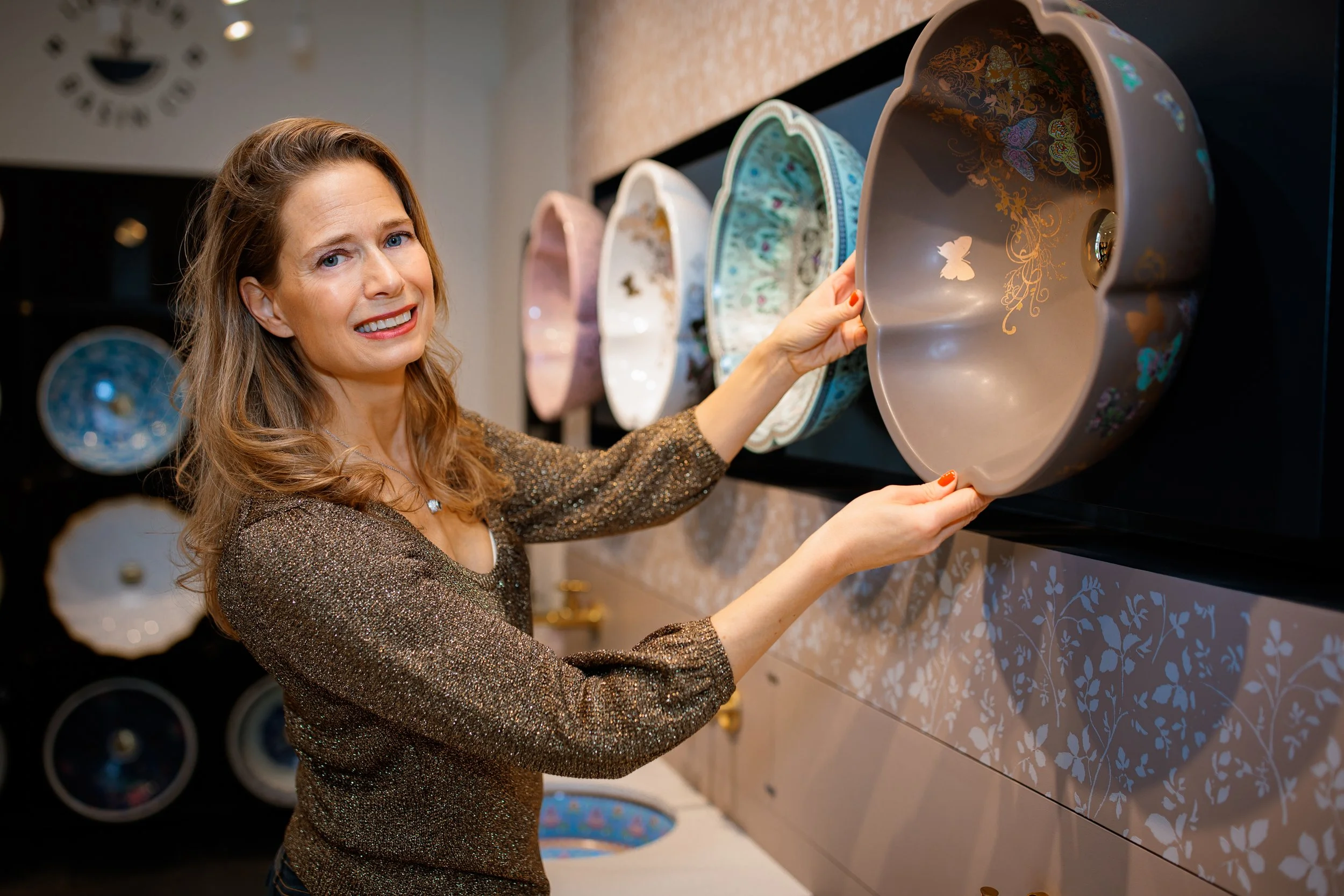
A bathroom is planned long before a single tile is chosen — plumbing, layout and light come first, materials second. Get the architecture right and the room quietly does the rest: calm, ordered, and built to age well rather than chase a trend.
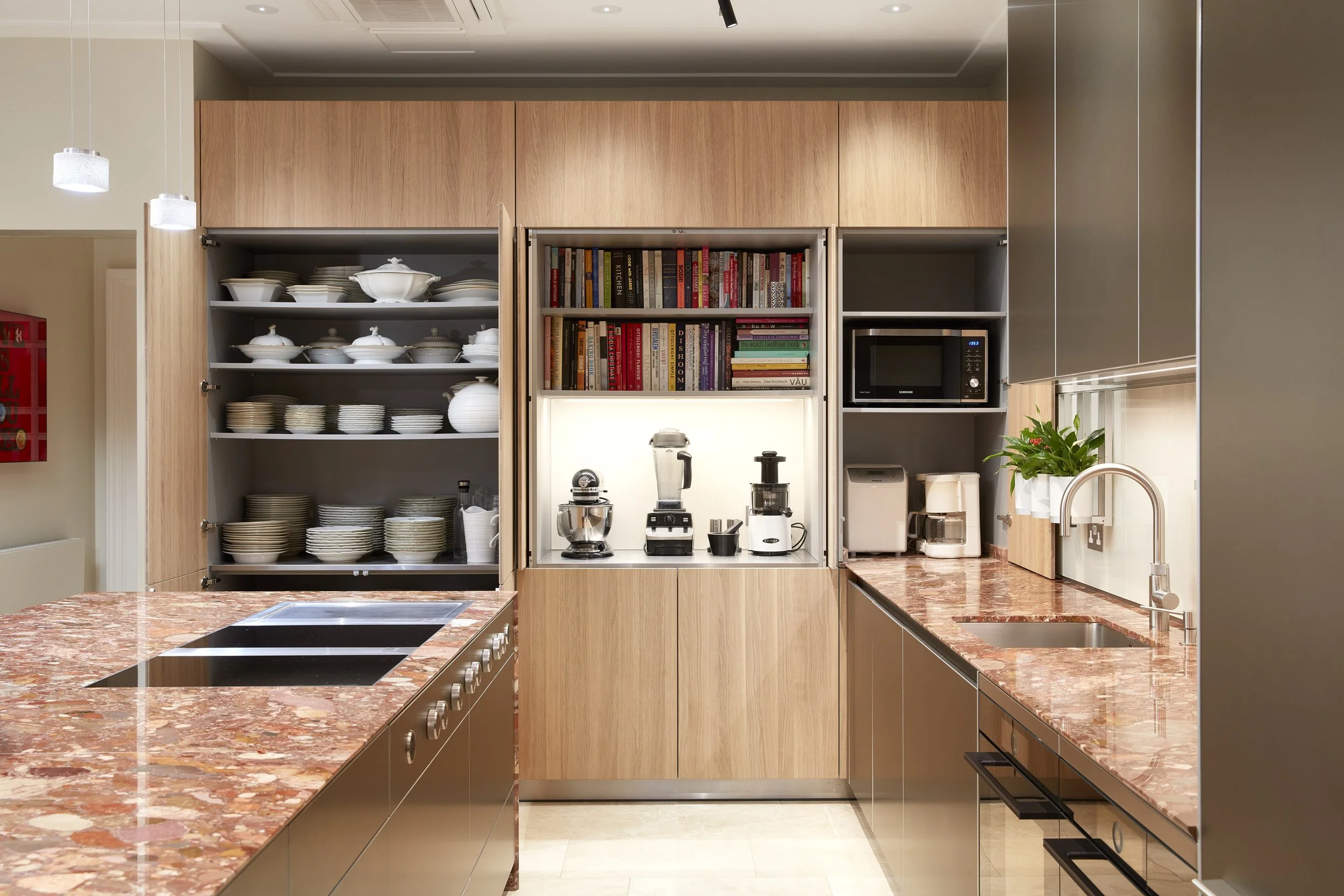
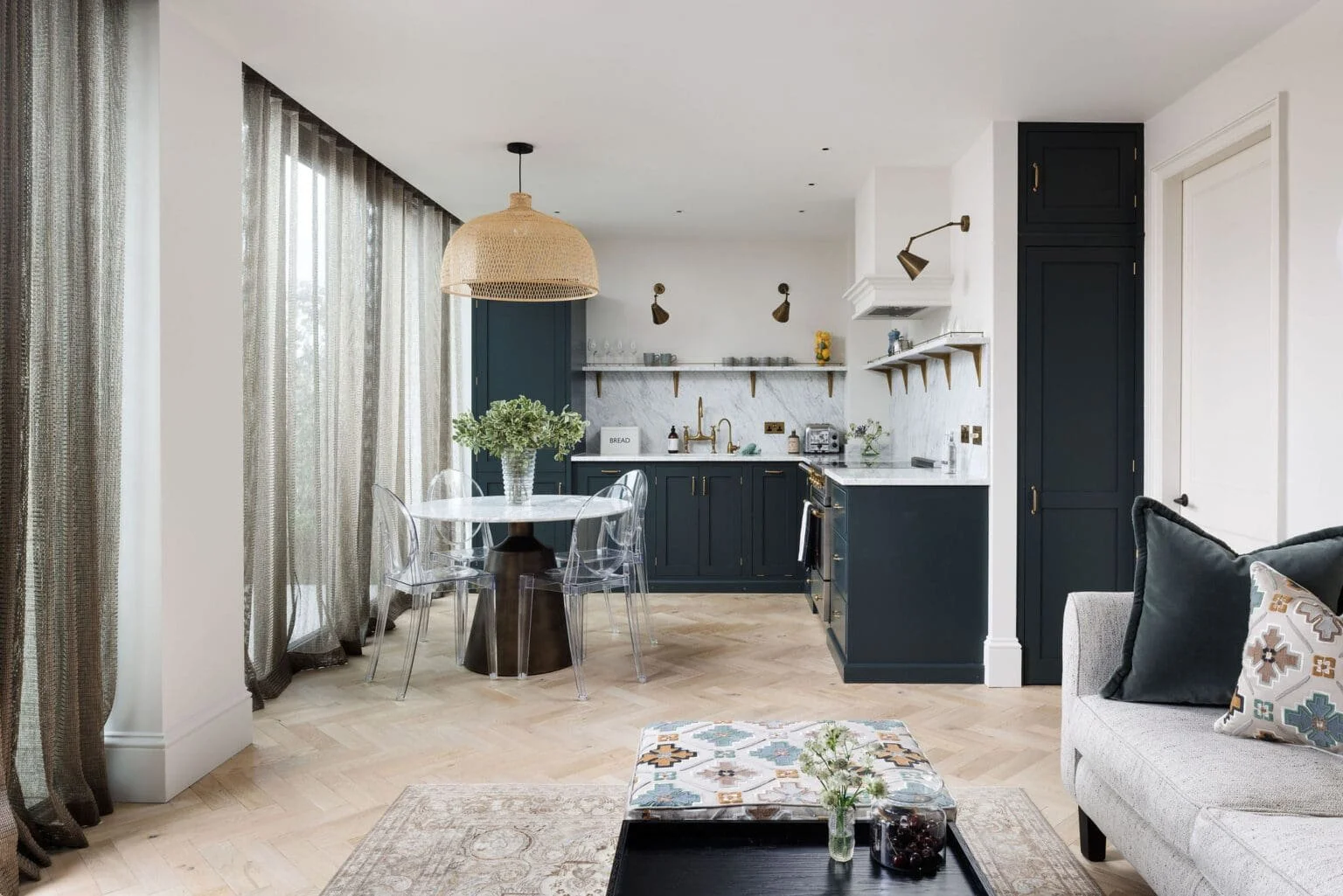
A kitchen renovation tends to go wrong in the same order every time — colour before layout, cabinets before movement. Here's how we think about the plan first: the triangle, the storage, the materials that actually hold up.
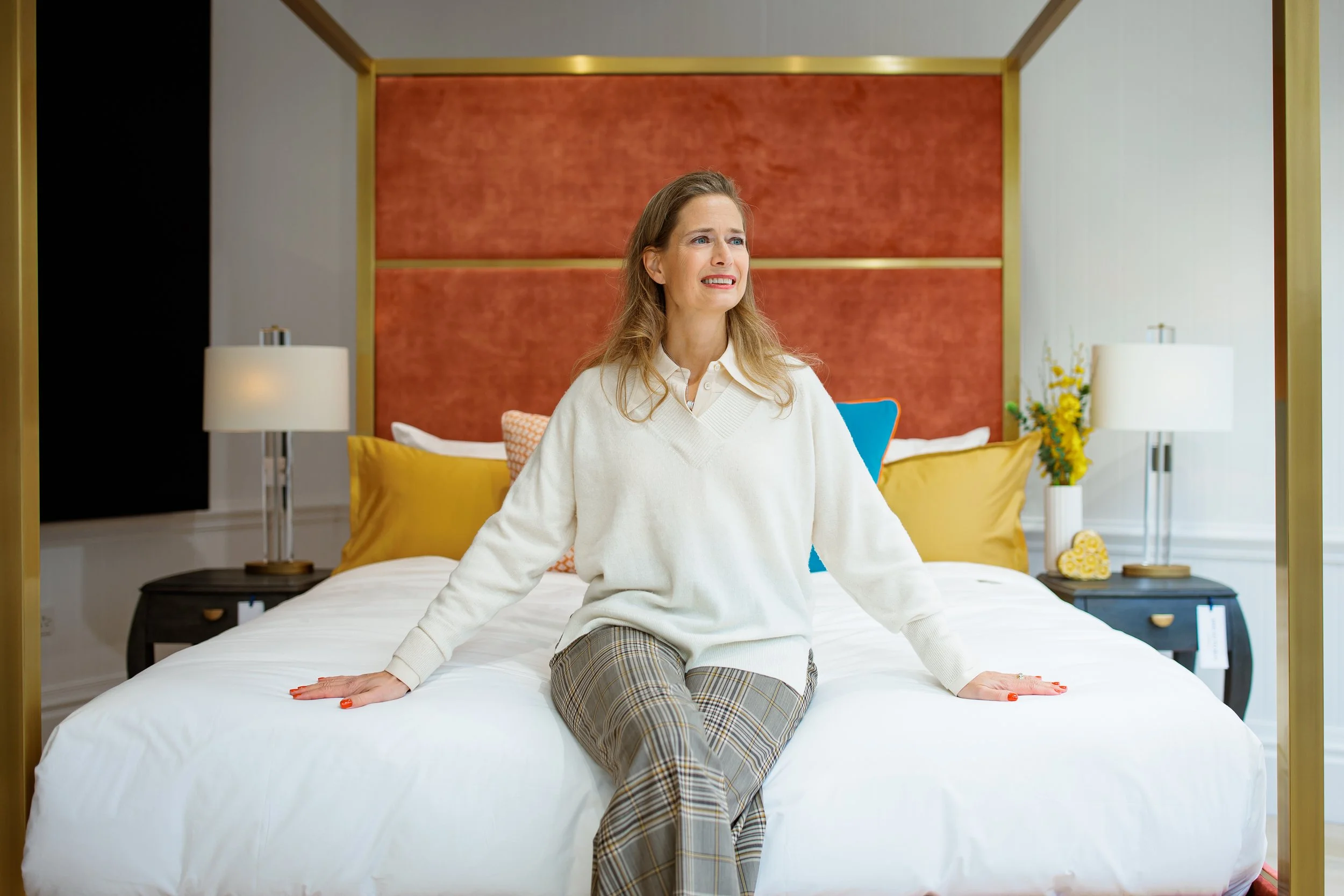
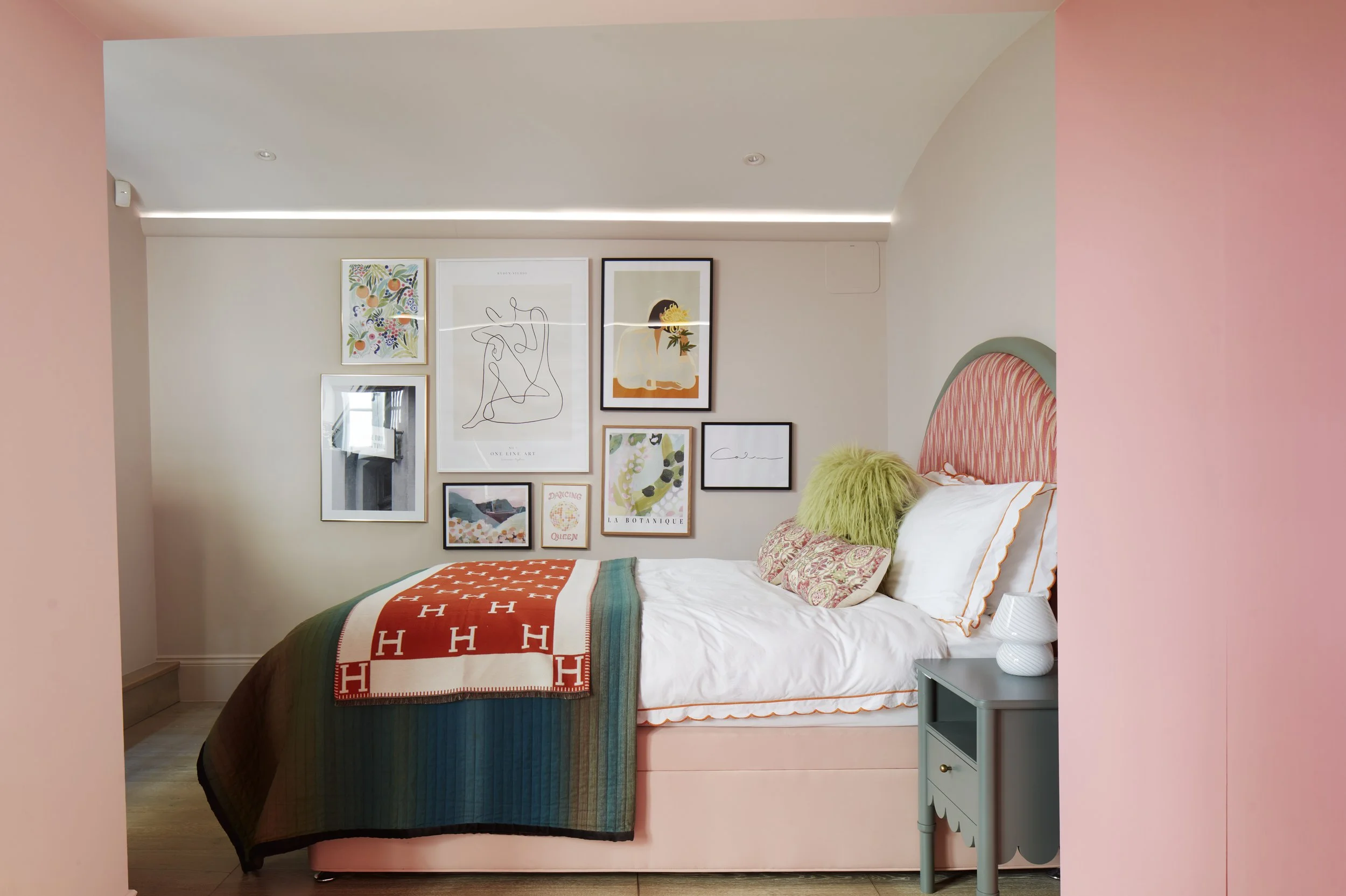
A bed is rarely designed as furniture first. Height, frame and storage decide as much about a room as any headboard and the linen, chosen well, is what makes all of it feel considered rather than furnished.
Hallway design ideas: how to declutter, add storage, and make an entrance feel considered rather than passed through
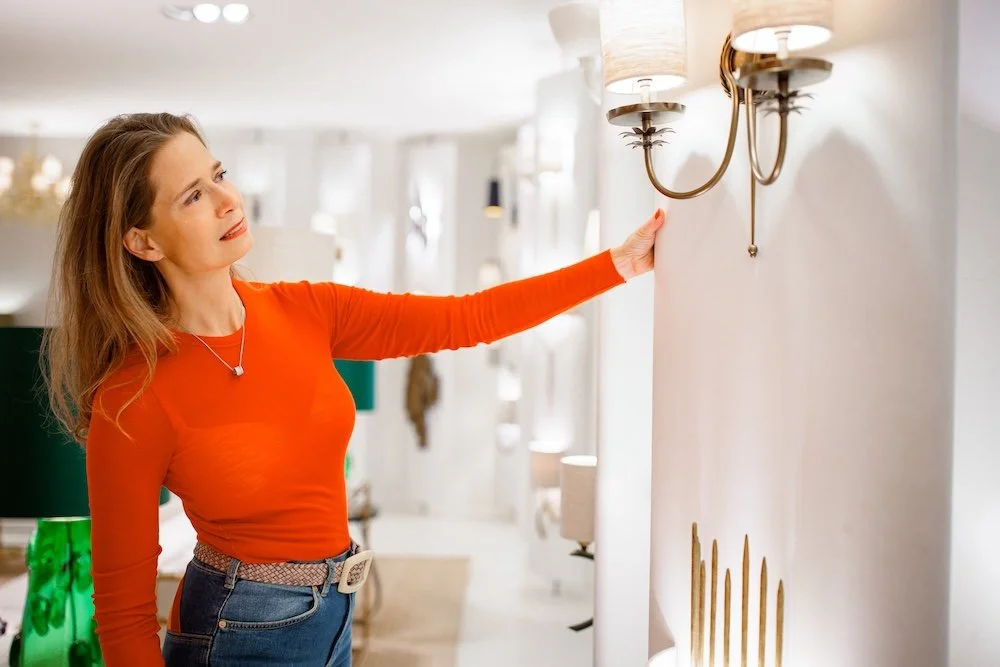
Most people specify light fittings the way they specify a doorknob: choose the function, choose the finish, move on. The result is a house where every fitting has been picked from the same showroom in the same afternoon — and the lighting reads as a set of utilities rather than a set of considered choices.
Lighting is the most underestimated decision in residential design. People spend months agonising over a kitchen layout or a piece of stone for a worktop, and then specify the lighting in a single conversation with the electrician on site, weeks into the project — when most of the more interesting options have already closed off.
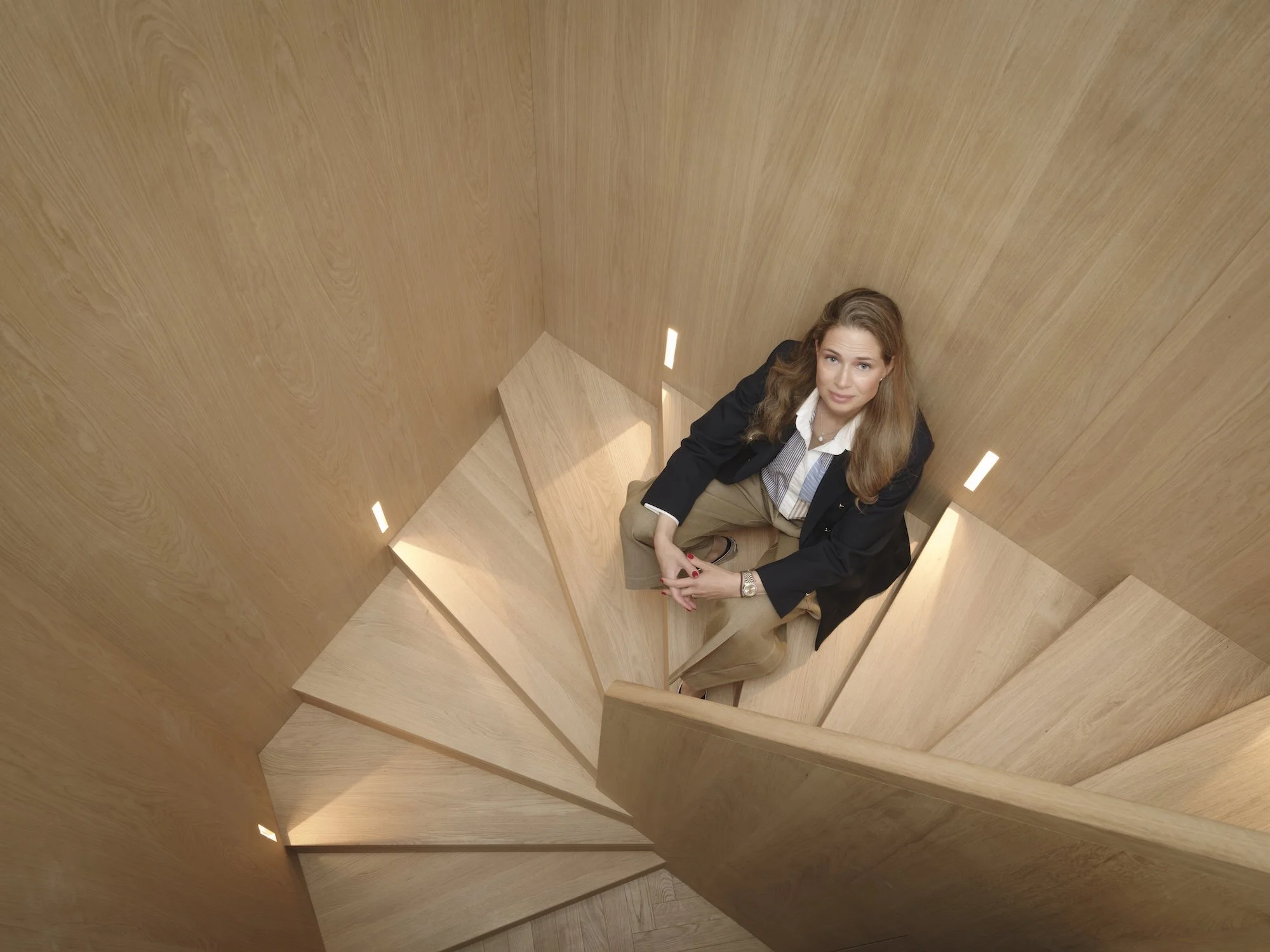
A staircase is, on average, the most used architectural feature in a house. People walk through it many times a day, every day, for years. And yet, of all the architectural elements in a typical house, the staircase is the one most likely to be treated as a passage rather than a room.
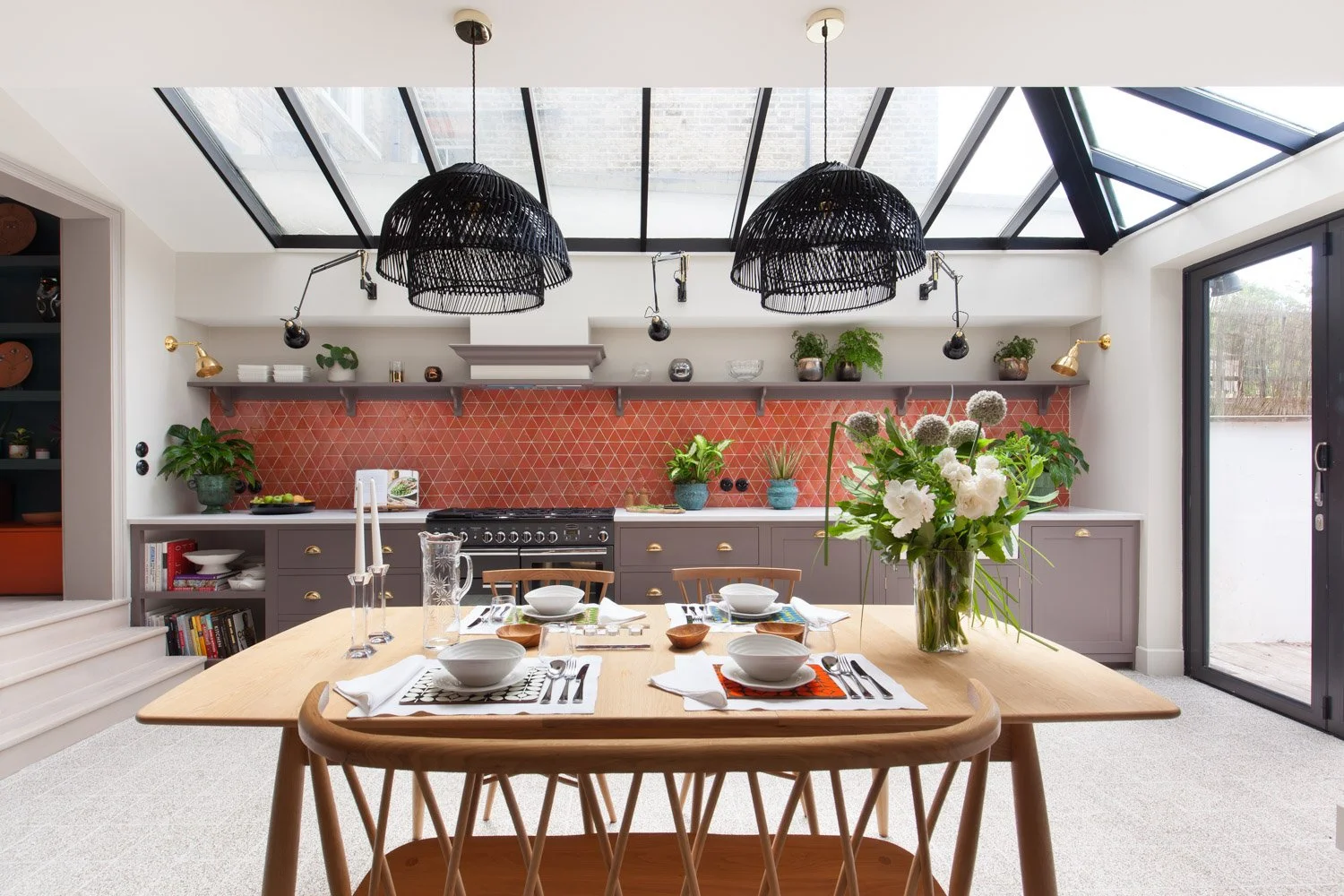
The dining table is the longest-serving piece of furniture in most houses — sofas come and go, beds are replaced, but the table tends to stay. Every conversation I have with a client about dining tables starts with the same question: how do you actually use the table?
A few years ago we worked on a townhouse in Fulham for a family with Austrian roots. The brief was unusually clear: the new kitchen should not feel like a London kitchen. The answer they sourced themselves, from Vienna and it changed how I think about fireplaces.
A home that endures is one designed with care, built with intention, and detailed with materials that age gracefully. Sustainability is not a trend, and not a separate consideration. When it is genuinely held, it becomes invisible — and the home is simply better.
There is a small room in our family house that I almost gave up on. It had no obvious purpose, awkward proportions, not enough light. Today it is the room my daughters fight over — and the experience changed how I think about overlooked rooms in clients' homes.
The sofa question does not come up for a long time. By the time it does, most of the work is already done. The harder, slower work — the work that shapes how a family will actually live in a home — happens earlier, in conversation, before a single drawing is made.
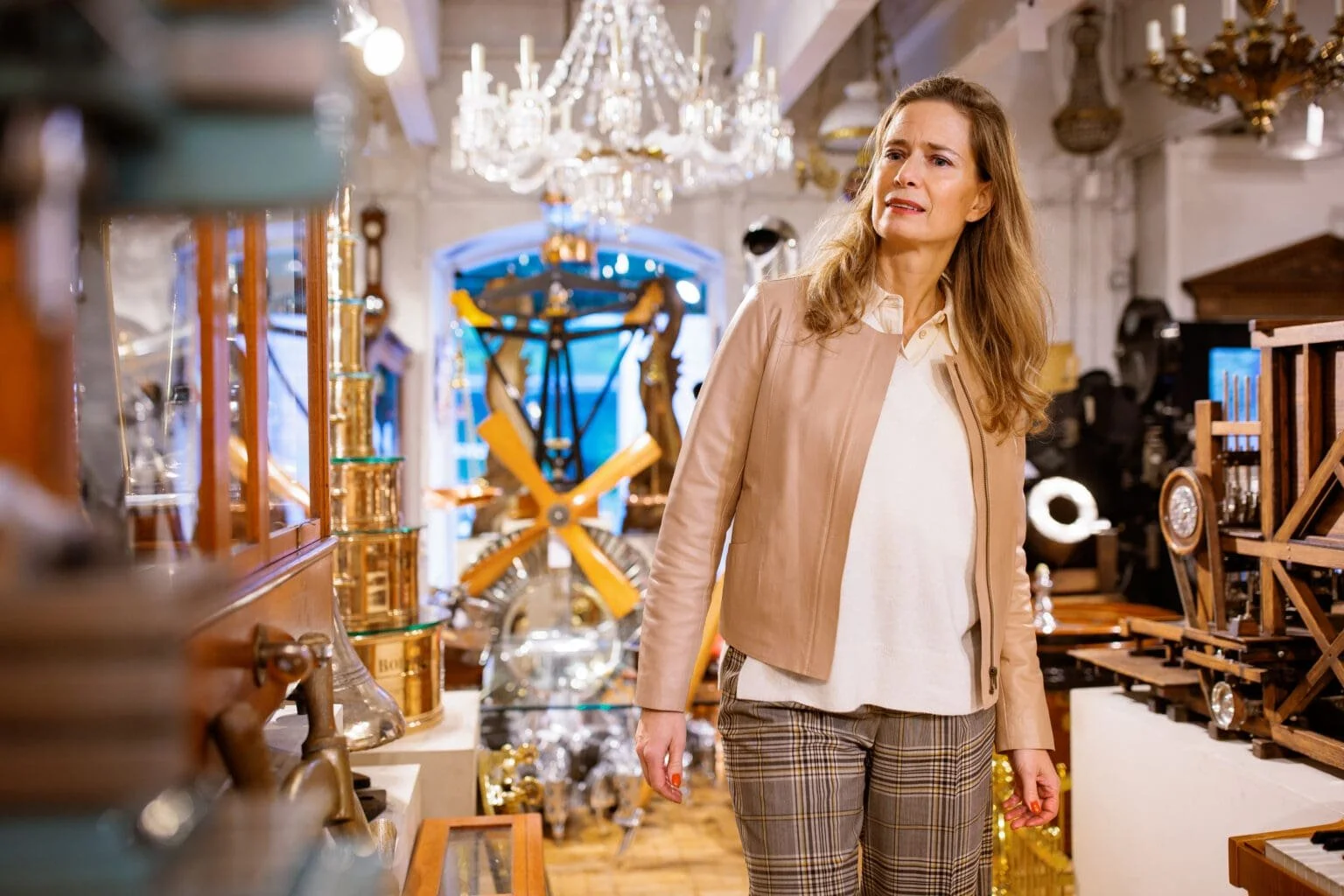
I grew up in a house full of antiques. My father took me to fairs from a young age, first to look, then to understand. That apprenticeship shaped how I think about interiors now — and why I am drawn to the dialogue between centuries that makes a room come alive.
A small room stripped back will always feel small. The counter-intuitive lesson I have learned across two decades of designing compact spaces is that minimalism, when misapplied to a room with limited proportions, emphasises its limitations rather than disguising them.
Every home begins with a conversation.
We have been working with private clients since 2009. We take on a small number of projects each year, and give the same depth of attention to each one - from the first conversation to the finished room. To find out how we might work together, book a discovery call.