
Designing for Longevity, From Architecture to Interior

Sustainability as a by-product, not a headline
A home that endures is a home that has been designed with care, built with intention, and detailed with materials that age gracefully rather than demand constant replacement. Sustainability is not a trend, and it is not a separate consideration to be bolted onto a project. It is a mindset — and when it is genuinely held, it becomes invisible. The home is simply better, and the responsibility is built in.
Across the work of the studio — Alpine chalets, London townhouses, coastal homes — the principle is the same. Thoughtful decisions, large and small, dramatically reduce a building's environmental impact while elevating its atmosphere. Sustainability and considered design are not opposites. Some of the most timeless, resolved interiors are built entirely on responsible principles.
Currently we are collaborating with ARCO2 on a new build house on the SW coast - The Atlantic House - an architectural practice we have come to admire for the patience and rigour they bring to environmentally responsible design. The Atlantic House will appear throughout this piece as a kind of worked example. But the principles described here apply equally to a townhouse in London or a chalet in the Alps.

The bones of the building
A truly sustainable building is one that endures. The bones — the structural and thermal decisions that cannot be undone later — matter more than anything else. The Atlantic House is held by cross-laminated timber beams (CLT, glulam) that carry its formidable roof shape. CLT is one of the most quietly transformative structural materials of the last two decades: strong, low-carbon, made from sustainably managed timber, capable of spans that would otherwise have required steel or concrete. Where steel is necessary, we have specified recycled steel. Where concrete is unavoidable, low-carbon mixes with recycled or supplementary content reduce embodied carbon substantially without compromising performance.
These are invisible decisions. They will never be photographed and will never be the reason a guest admires the room. But they will shape the building's environmental footprint for the next hundred years, which is the only timescale that ultimately matters.
Above the structure, a planted roof folds into the surrounding cliffs. The roof becomes part of the landscape rather than an interruption of it. It insulates the building below, absorbs stormwater, reduces heat islands, and supports biodiversity across a surface that would otherwise have been inert. From the right angle the roof and the cliff become continuous, and the house has been written into the topography.
Designing with light and climate
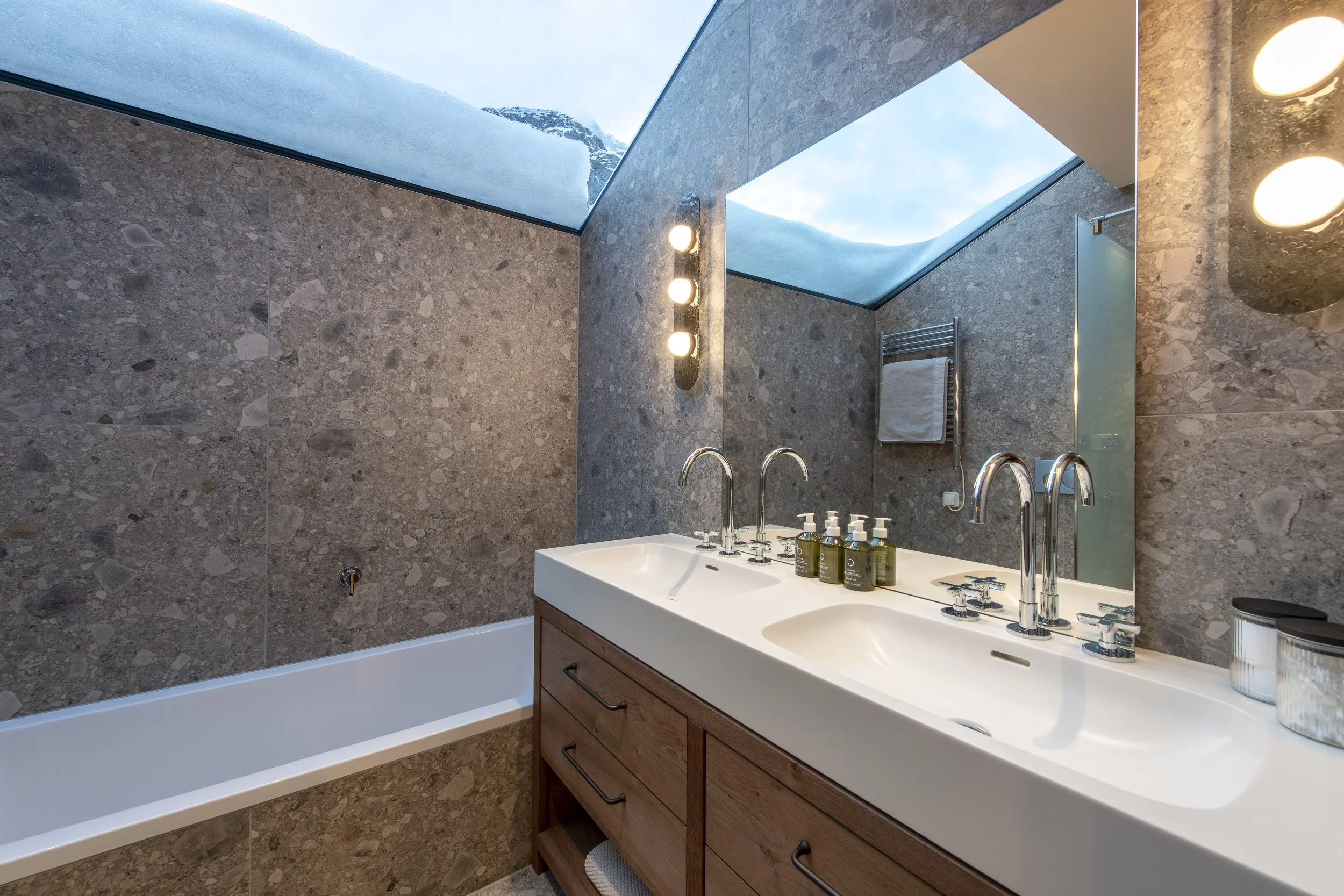
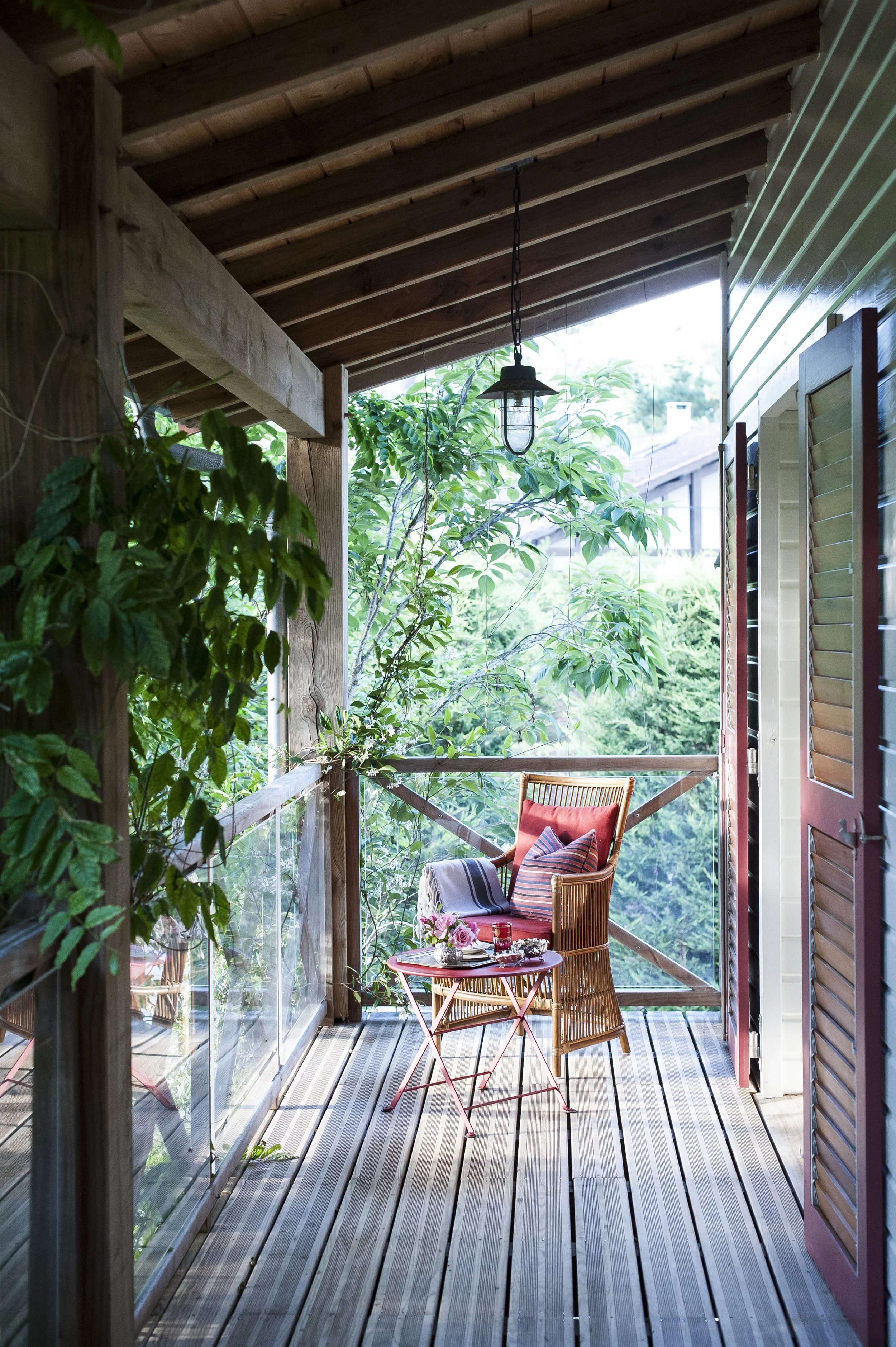
Light is fundamental, both environmentally and emotionally. Designing to make the most of natural daylight reduces energy consumption while elevating daily life. The placement of windows to capture the soft morning light or the warm afternoon glow, the use of skylights to draw brightness into central spaces, the inclusion of courtyards and light wells that allow the interior to breathe — these are decisions that pay back in two currencies at once.
Good light design also moderates climate. Glazing positioned for winter sun adds passive warmth; careful shading prevents overheating in the summer months. Overhangs, shutters, pergolas, and deep window reveals each play their part in moderating solar gain, especially on south- and west-facing rooms.
Beyond light, the most powerful environmental decision a house can make is to perform thermally. High-quality insulation, airtight construction, and triple glazing make a bigger difference than any technology installed afterwards. Natural insulation materials — wood fibre, cork, hempcrete, sheep's wool, cellulose — perform exceptionally well while staying breathable, and avoid the environmental burdens of synthetic foams. When the envelope is detailed properly, a building maintains a stable, comfortable temperature year-round with minimal energy input.
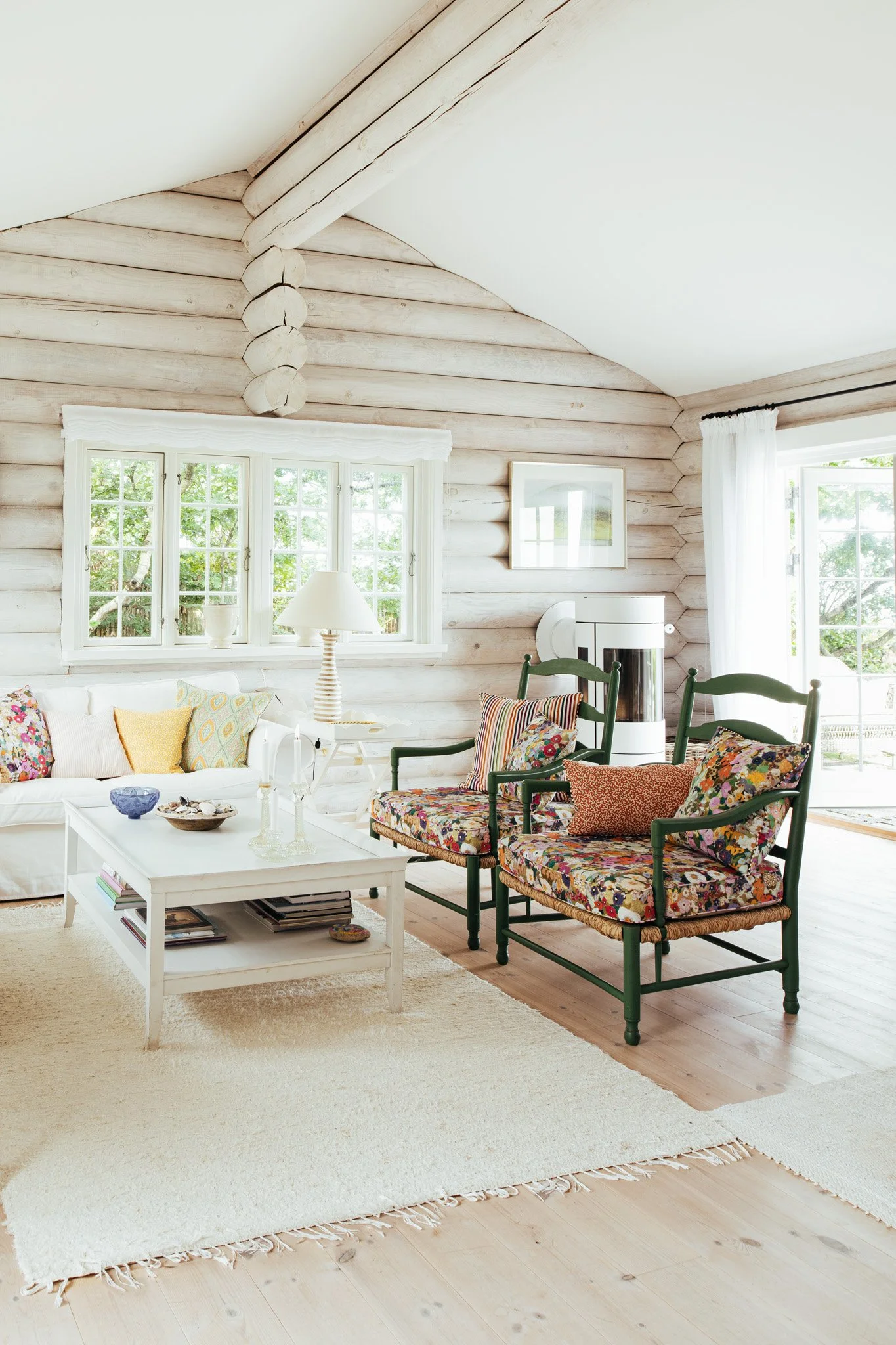
Passive heating and cooling strategies were integrated into the The Atlantic House from the earliest stages of design. Cross-ventilation, high ceilings, stair voids that draw warm air upwards, shaded terraces, and the strategic use of thermal mass all reduce dependency on mechanical systems. In colder climates, south-facing windows and Trombe walls collect heat naturally. In warmer settings, operable shutters, louvres, and shaded courtyards keep interiors effortlessly cool. Architecture has worked with climate for centuries; modern sustainable design simply refines these age-old principles with contemporary understanding.
A house that adapts
A building that endures is a building that can change without being demolished. Homes that evolve with their occupants reduce the need for future demolition, reconstruction, or extension. By designing non-load-bearing internal walls, incorporating generous circulation, and planning for future lifestyle changes — including ageing in place — buildings adapt gracefully across decades. This matters particularly in family homes, where needs shift from nursery to study to guest suite to room for ageing parents.
At The Atlantic House, we adapted the structure of the entire property to allow for wheelchair use, with a central lift connecting the two floors effortlessly. This was not a retrofit. It was integral to the brief from the earliest design conversations, and it has shaped everything from the door widths to the floor levels to the way the lift integrates into the architecture rather than apologising for itself.
Water, energy, planting
Water, increasingly precious, is another area where architecture can make a profound difference. Rainwater harvesting, permeable landscaping, on-site filtration, and greywater reuse systems allow homes to operate more independently and ecologically. In garden design, native planting, wildflower meadows, and drought-tolerant species reduce irrigation needs while enhancing biodiversity. Living walls bring sustainability and atmosphere together — improving air quality, supporting biodiversity, softening structures with vertical greenery.
Renewable energy systems are most successful when designed into the form of the building rather than added afterwards. Photovoltaic roof tiles, solar thermal water heaters, ground or air source heat pumps, geothermal loops, and battery storage have all been considered from the first drawings — in Cornwall, and in current projects in France and Frankfurt. These technologies reduce long-term energy demand and lower operational carbon emissions substantially over the life of the building.
Healthy indoor air is the final hallmark. Natural ventilation, stack ventilation, ventilation chimneys, and operable windows placed high and low maintain fresh airflow. Avoiding toxic adhesives, solvent-based paints, and synthetic finishes creates interiors that feel calm, breathable, and restorative.
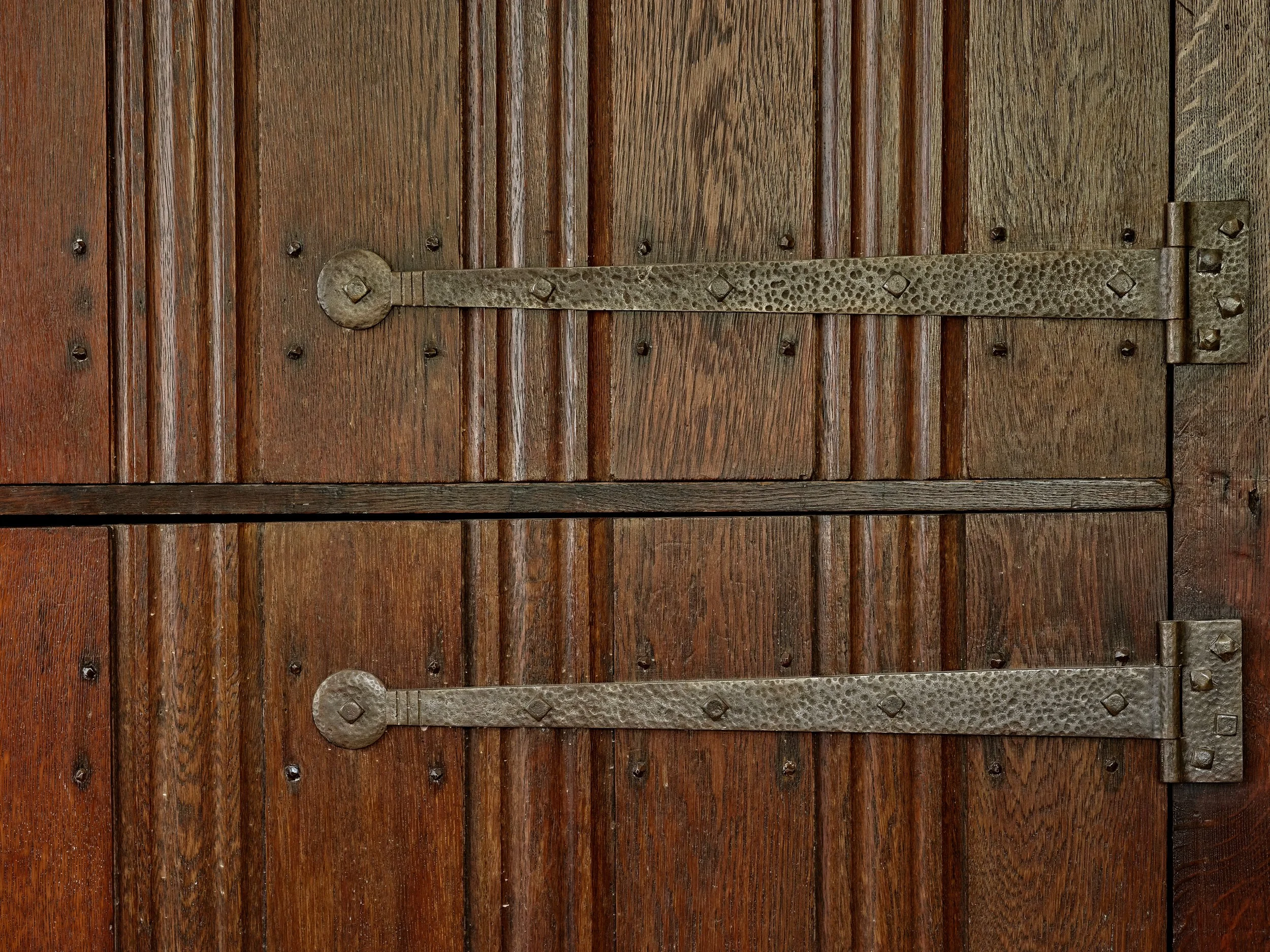
Materials are the heartbeat of every design
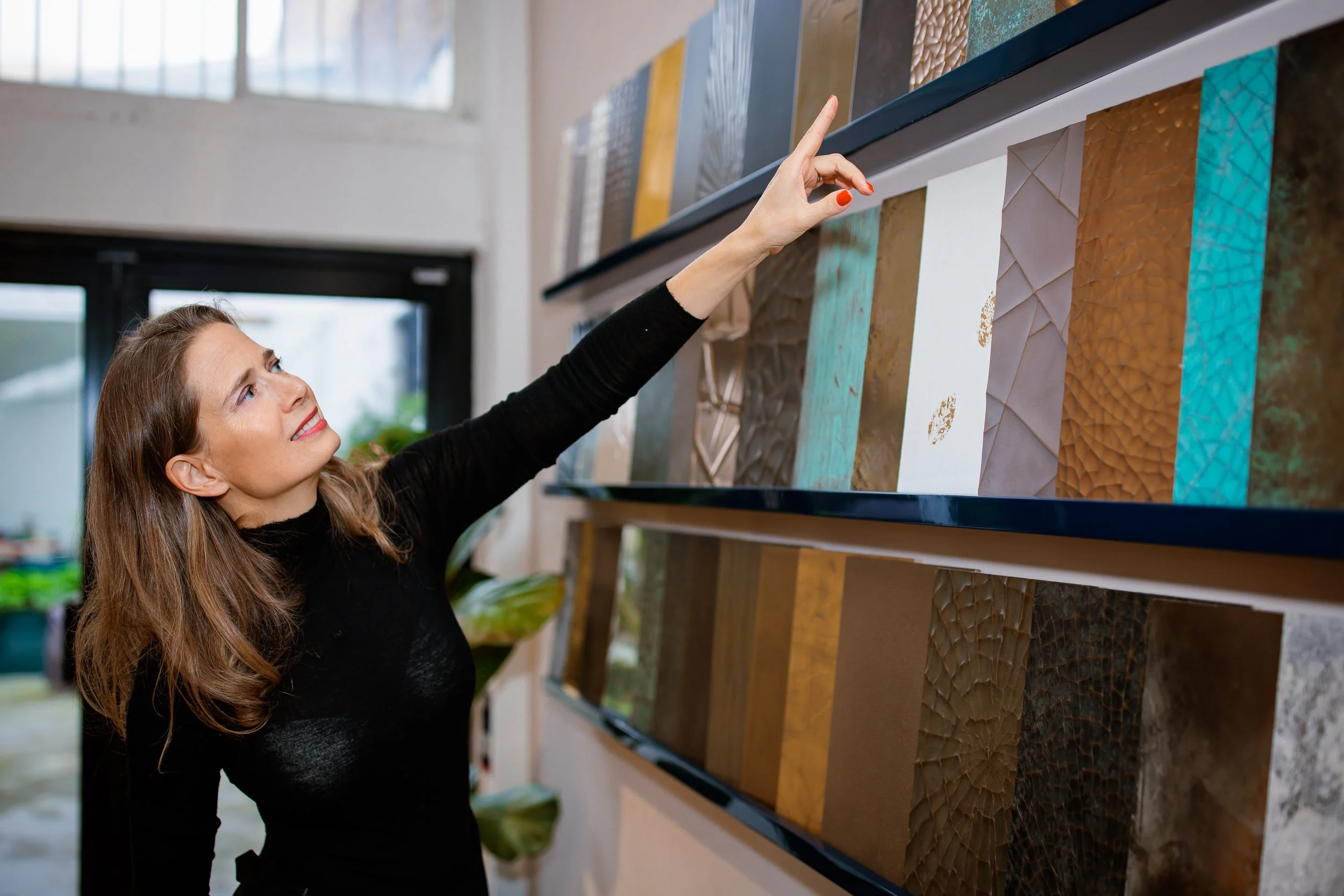
Inside the building, materials carry the same logic. They are the surfaces touched every day, the textures moved through, the quiet storytellers that set the emotional tone of a room. When chosen with intention, materials do not simply decorate. They define longevity, atmosphere, and environmental footprint. Natural, durable, responsibly sourced materials live longer, perform better, and age gracefully — reducing the need for replacement and waste.
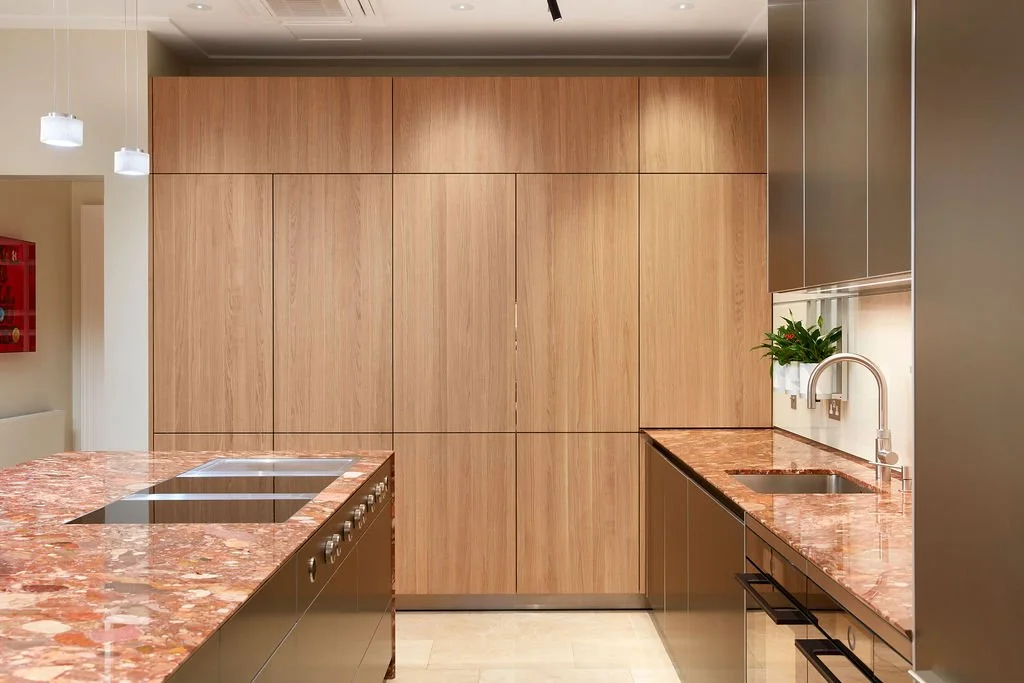
Stone is one of the most enduring choices available. No two pieces are alike; every slab is a geological artwork millions of years in the making. Quartzite — stronger than granite, as luminous as marble, available in extraordinary natural colours — makes a kitchen island or bathroom vanity feel sculptural and bespoke, with a durability that means it will never need to be replaced. In Alpine projects we have used wonderful local green granite, prized for its understated raw beauty and its ability to take decades of use without complaint. In coastal homes, limestone, travertine, and soapstone come into their own — softer surfaces that deepen with age, the patina becoming part of the story rather than a flaw.
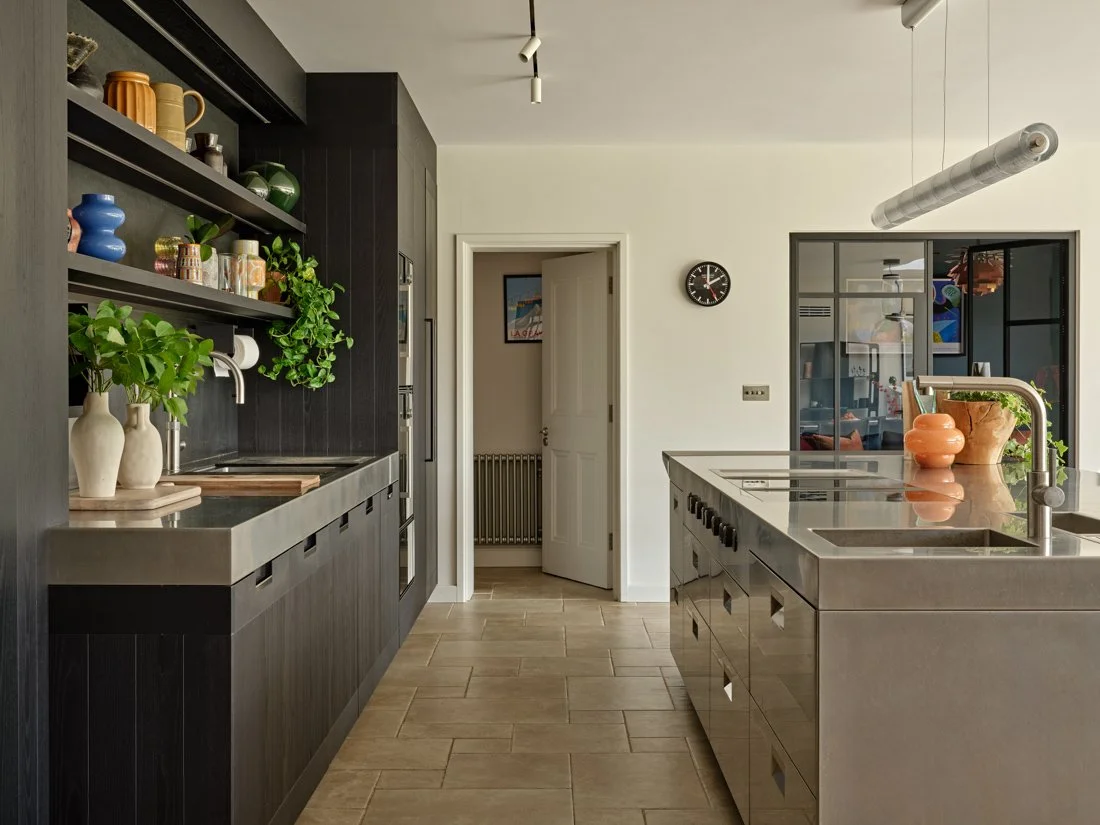
Timber is perhaps the most emotionally grounding material in a space. It carries the warmth of nature into a home and softens sharper architectural lines. In London we work often with British timbers — oak, pine, cherry, maple — for beauty and for a lower transport footprint. Pairing light and dark woods creates a richness that feels both contemporary and timeless. In chalets, the local rustic softwoods (pine, fir, larch, spruce) sit alongside higher-grade oak, walnut and chestnut, with reclaimed local timber adding alpine character that nothing new can imitate. In coastal work, oak and pine bleached and white-oiled exude a casual breezy ease — or stained dark chocolate to evoke something more exotic.
Clay and lime plaster are made from earth, pigment, and water; nothing more. No chemicals, no plastics, no VOCs. They breathe with the home, regulating humidity and improving air quality. The matte, tactile surface shifts subtly with daylight, creating quiet intimacy that contemporary paints cannot replicate. We currently work with Bauwerk paints and Luna rockplaster for finishes that age beautifully.
Textiles provide the final layer of emotion in a room. We favour natural fibres — wool, linen, mohair, hemp, jute, organic cotton — and seek out mills using GOTS-certified or recycled yarns. Handwoven and hand-knotted rugs, wool throws, and naturally dyed fabrics support responsible agriculture and craft while being healthier for indoor air quality. Where some synthetic content improves durability or performance, we look for reclaimed fibres rather than virgin ones.
The artistry lies in how these materials meet. Honed marble against warm oak, soapstone with brushed brass, clay plaster against smooth walnut. Materials gain meaning through contrast — the quiet glow of timber against the polish of stone, the softness of wool against the earthy roughness of clay. Each pairing layered, intentional, deeply human.
The most sustainable furniture on earth
Antiques remain the most environmentally responsible furniture choice. They require no new production, no new resources, and no carbon footprint beyond transportation, while bringing craftsmanship and individuality that mass-produced furniture cannot. We have written separately on this — Living With Time sets out the studio's longer view on antiques and the dialogue between centuries — but the sustainability dimension belongs alongside the others discussed here.
Buying online and at auction has opened up sources unavailable a generation ago, from Vinterior and 1stDibs through to specialist dealers we have built relationships with over years. Pieces often arrive needing work, and we send them directly from the seller to our workshops to be refinished, recovered, or regilded.
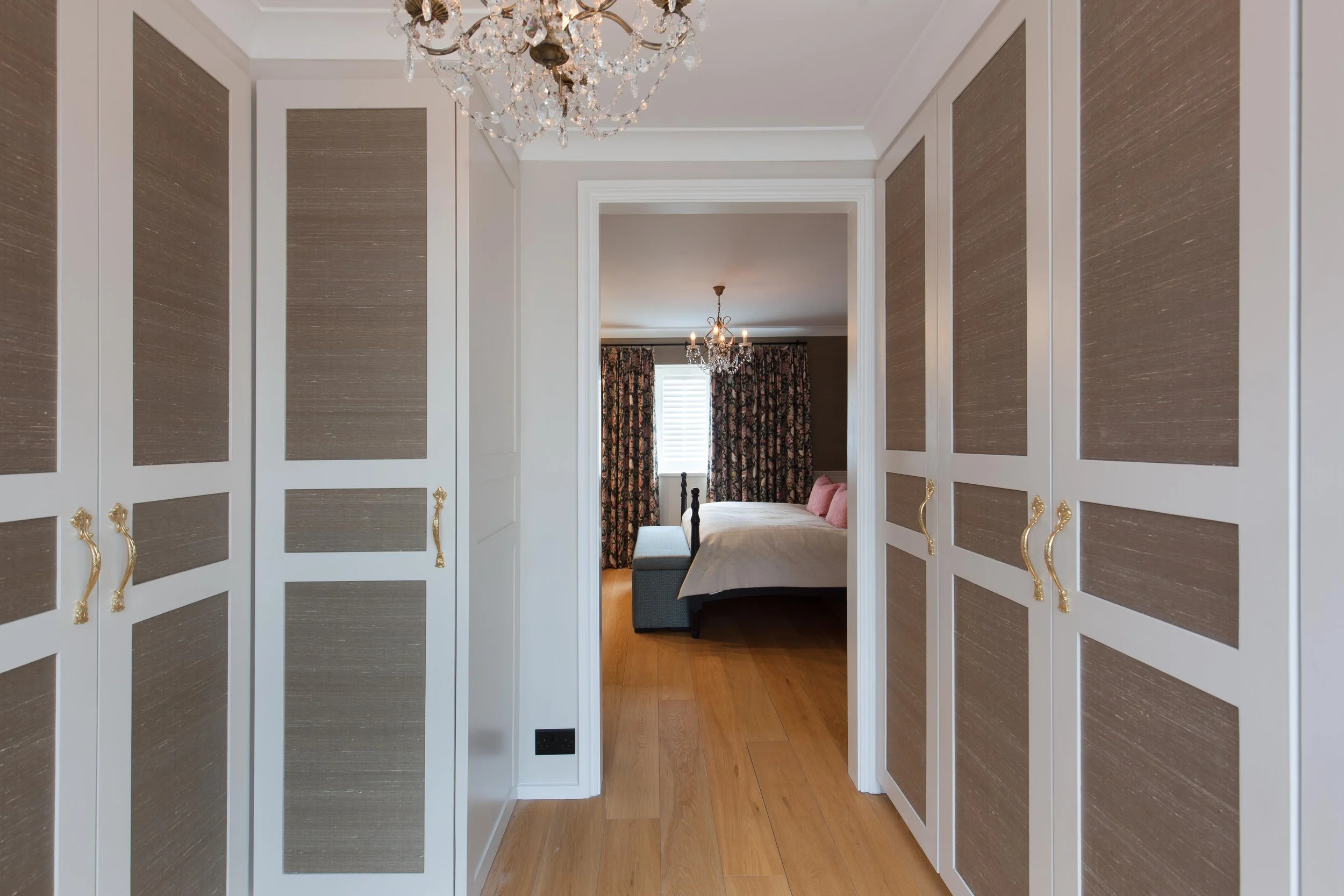
Adjacent to the antiques tradition is upcycling — reviving, repurposing and reimagining pieces that already exist. We have repainted and lined old dressers with wallpaper, reupholstered vintage chairs in vibrant textiles, recovered existing joinery with luxurious silk wallpaper, leather, or mirror glass to preserve the solid wood interiors. We have used vintage suitcases as side tables, old doors as headboards, antique frames as statement mirrors. Vintage kimonos brought back from Japan have become door panels and lampshades. These are not rustic gestures. They are custom couture, handmade, one-of-a-kind pieces with sustainable origins, and they belong as comfortably in a high-end home as anything new.

The longest view
Sustainability extends beyond materials and technology. It lies in the hands of the people who build — and ARCO2's collaboration on the The Atlantic House has reinforced this. Choosing contractors and consultants who recycle demolition materials, minimise site waste, source responsibly, and implement environmentally considered methodologies is one of the most meaningful decisions in any project of scale. The right team brings integrity to the entire process; the wrong team can undermine months of careful specification in a week.
Most fundamentally, sustainability is about longevity. About choosing materials, structures, makers and decisions that become more beautiful with time, rather than needing replacement. About thinking of a home as a collection of future antiques. About building so that the planet, the family, and the building itself are all served by the same set of decisions.
When all of this comes together — longevity, natural materials, intelligent light, passive performance, responsible craft, structures that outlast their occupants, planted roofs that disappear into cliffsides — sustainability stops being a separate consideration. It becomes the way the work was done in the first place. The badge on the brochure was never the point. The point is the building still standing, still loved, still working as it was meant to, fifty and a hundred years from now.
Do you have a project in mind?
