
The Questions a Designer Asks Before Anything Else

The sofa question does not come up for a long time. By the time it does — fabric, frame, depth, who is going to sit on it and when — most of the work is already done. The hard work, the work that determines whether a home will function for a family across the next twenty years, happens earlier, in conversation, before a single drawing is made.
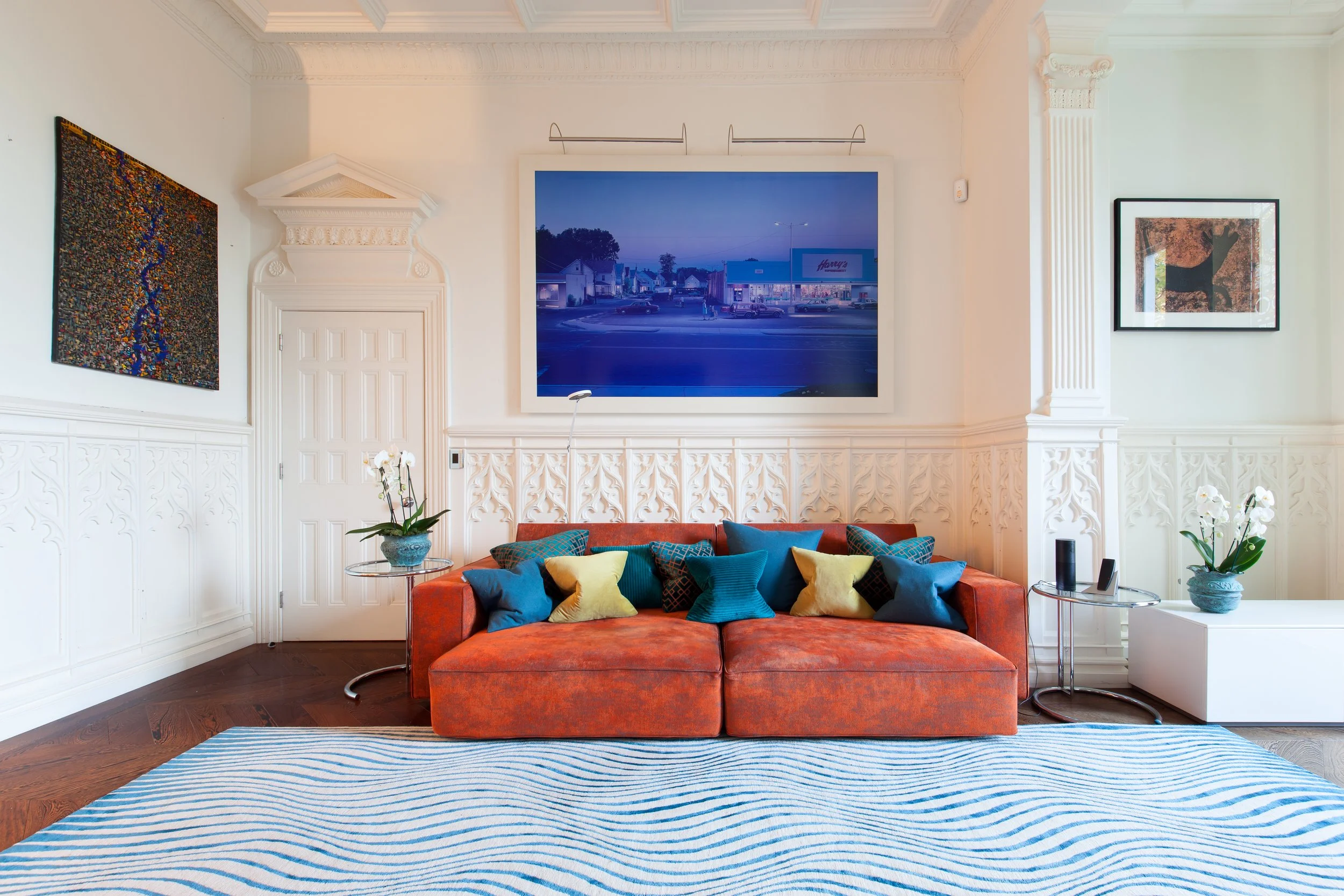
Designing or renovating a home is one of the most significant emotional and financial investments a person will ever make. It is exciting and full of possibility. It is also complex in ways that are not always visible from the outside. Exceptional interiors do not happen by accident. They come from years of practice, thousands of micro-decisions, the integration of aesthetics with technical reality, and a deep understanding of how people actually live. The difference between a house that almost works and one that works effortlessly lies almost entirely in the work that happens before the visible work begins.
The Home Soul Method
I think of the early work as understanding the soul of a home before designing the surface of it. Over years of practice I have developed a framework I refer to as the Home Soul Method. It has three dimensions — Soul Mapping, Taste Mapping and Space Mapping — and each one operates at a different layer of the project, and each requires a different kind of listening.

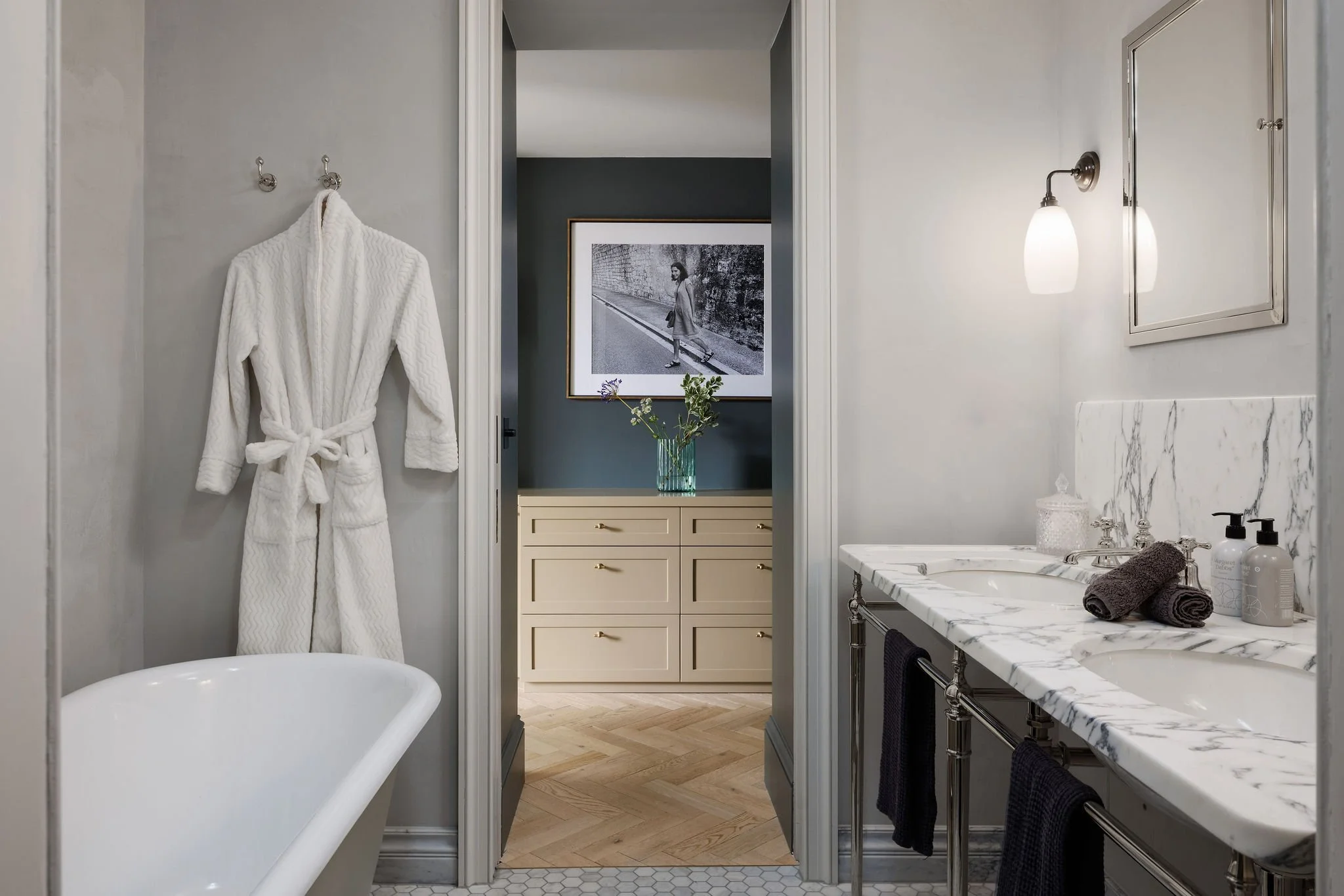
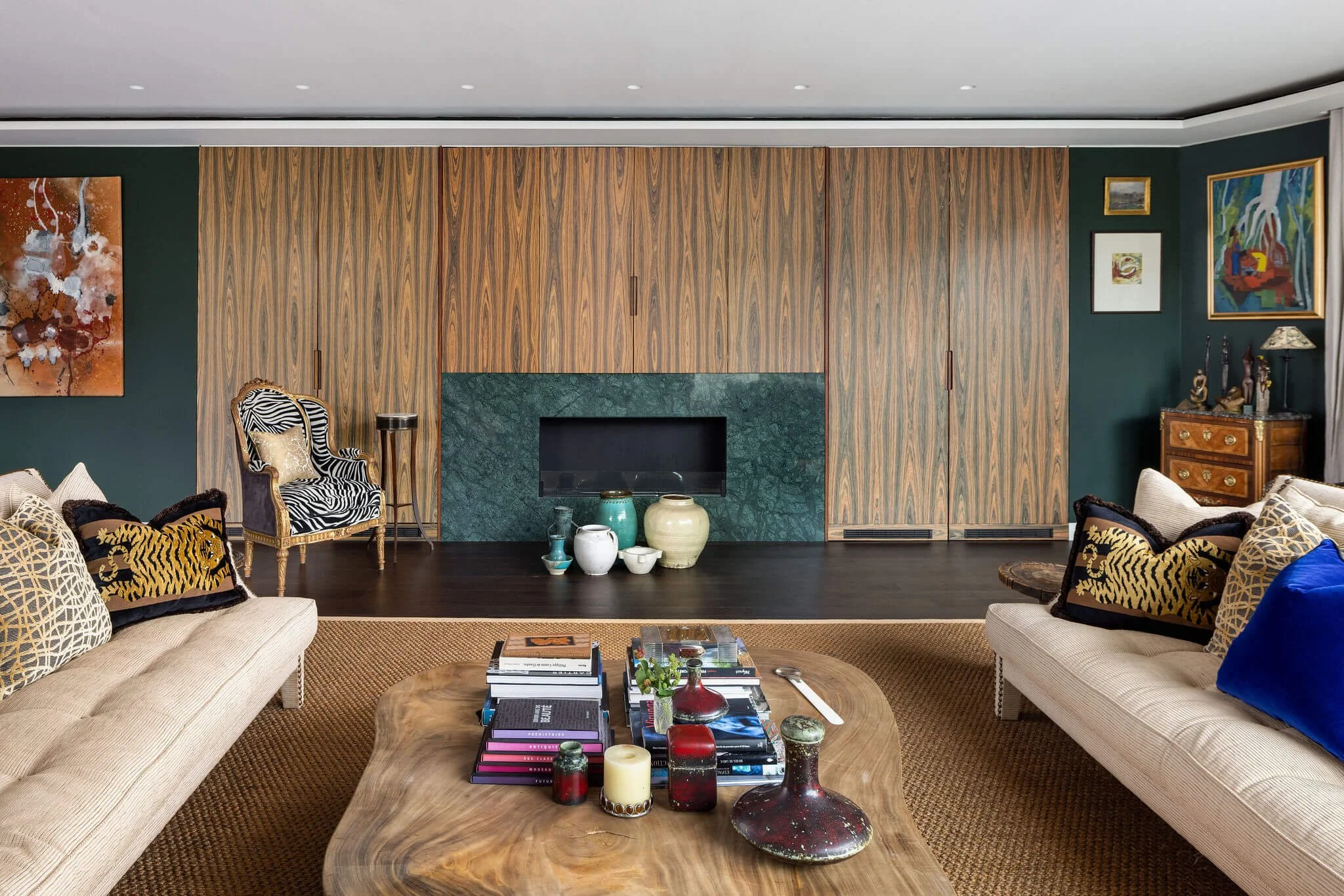
SOUL MAPPING
Soul Mapping is the deepest layer and the slowest. It asks how a family actually lives — not how they imagine they live, or how they wish they lived, or how they used to live in another house. The brief almost always changes during this stage, because clients realise, in the course of being asked the right questions, what they really want. Sometimes a space reveals possibilities the client never imagined. My role at this stage is to listen deeply and to read between the lines.
The questions I ask here are sometimes ones a client has never been asked before:
Where should the utility room actually be.
Does the open-plan idea genuinely suit your lifestyle.
How do we create indoor-outdoor flow. If we can build a pool, should it be indoor or outdoor.
If we build the basement, what would you really use the space for.
Where do gym bags, muddy boots, laundry baskets, raincoats, scooters, riding gear actually go.
How long will your children do homework at the kitchen table before they migrate to their rooms. How do we design a playroom that becomes a teenage den over time without being rebuilt.
Should the guest room double as a gym. Should we build a dedicated gym, or do you prefer to go to the gym.
Where does the dog sleep, and where does the dog shower.
Where should the spices live so cooking feels joyful rather than chaotic. Would you like a walk-in butler's pantry with a second sink and second appliances, so the main kitchen can clear when you entertain.
Where do you store winter wardrobes in summer and summer wardrobes in winter, and the suitcases, and the outdoor cushions, and the extra-long rolls of wrapping paper that never fit anywhere.
Do you wish you could sleep in a totally dark room. Would you like air conditioning.
Do you prefer bright rooms or cosy dimmed lights. What is your bedtime routine. Who gets up first in the morning, and what does that first hour look like for the first person up.
These questions are not about decoration. They are about life. The answers shape every decision that follows, and they prevent the kind of mistakes that become permanent irritations for decades. When this work is done well, life flows and you do not notice it. When it is not done well, you feel it every time you step into a room.
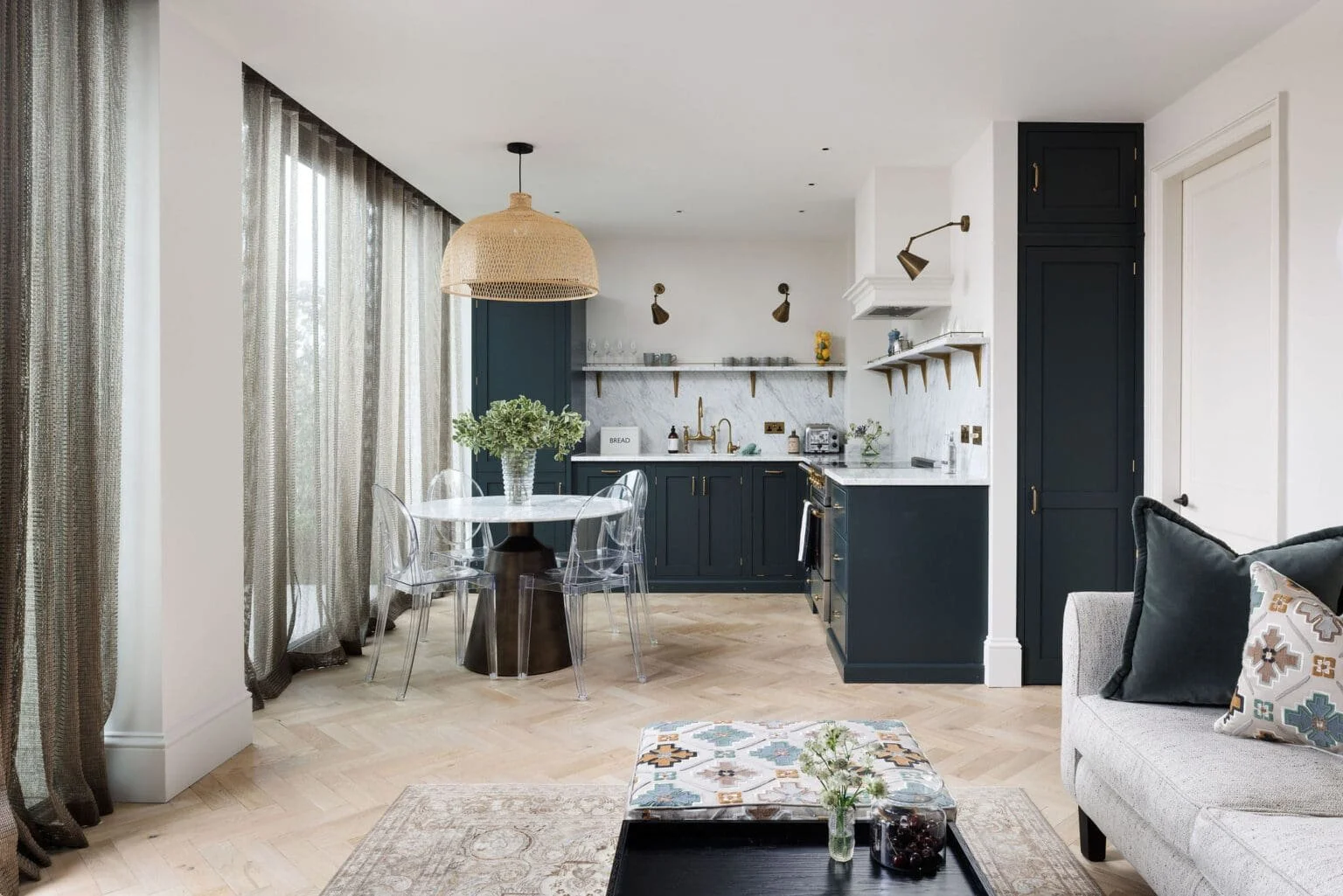
Taste Mapping
Taste Mapping is the middle layer. Most clients arrive with a moodboard — sometimes hundreds of images, gathered over years of looking. The trouble is that inspiration is abundant; clarity is not. Visual overload, over-stimulation, conflicting messaging — clients build mood boards full of images they love without always understanding why they love them, or whether the qualities that make those images work can translate into their own home.
My role here is to read the images more carefully than the client has read them. To understand what makes each one resonate — the light, the proportion, the materiality, the mood, the discipline — and to determine which of those qualities can actually be brought into this house, with this architecture, in this light, for this family. Some can. Some cannot. The inspirations, the questionnaires and the agreed brief are then distilled into a coherent, refined vision. The process involves editing, curating, refining, eliminating, and elevating until the design feels resolved and complete.
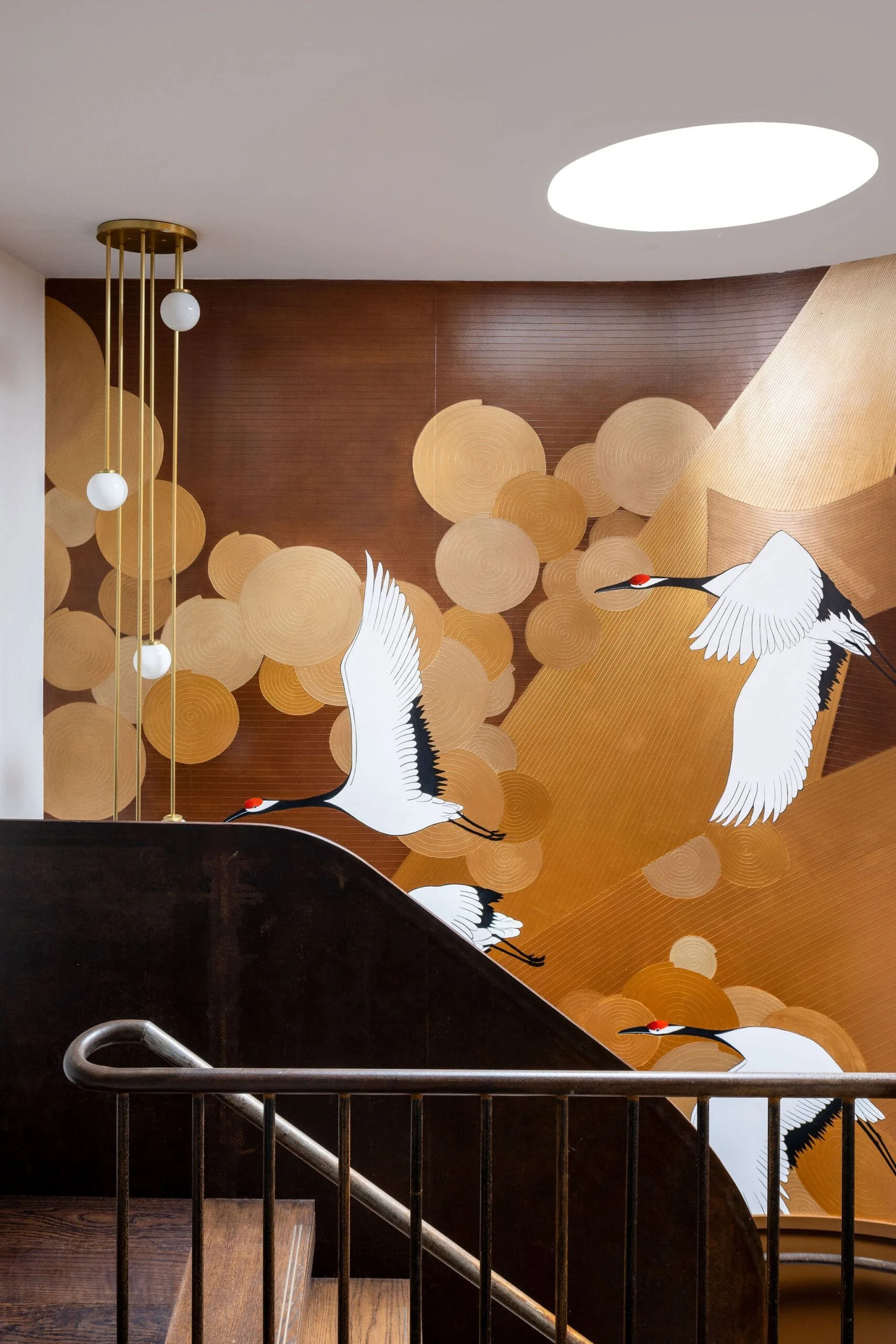
This is where professional confidence and artistic discipline matter. It is the difference between a home that feels like a hotel lobby and one that feels intentional, calm, timeless, deliberately personal and comfortable. A scheme that copies a hotel lobby into a domestic setting fails not because the lobby was bad, but because the lobby was not a home. Great interiors are made through experienced editing, curious investigation and honest communication — and they feel timeless because they respond to setting, architecture, views and light, rather than forcing a copied look into a space that was never meant for it.
Space Mapping
Space Mapping is the architectural layer, and it is where most of the irreversible decisions are made. It is the engineering of daily life — the choreography of circulation, zones, flow, storage, light, acoustics, and the fixed bones of the building that cannot be changed later without enormous cost.
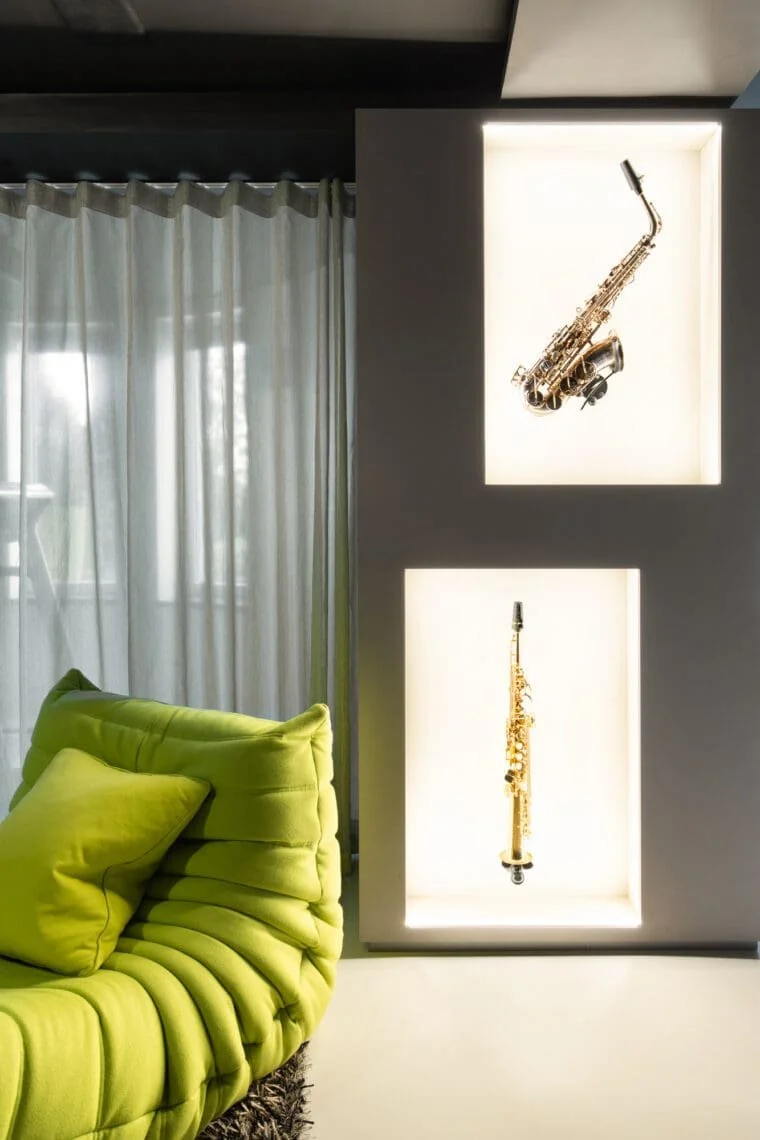
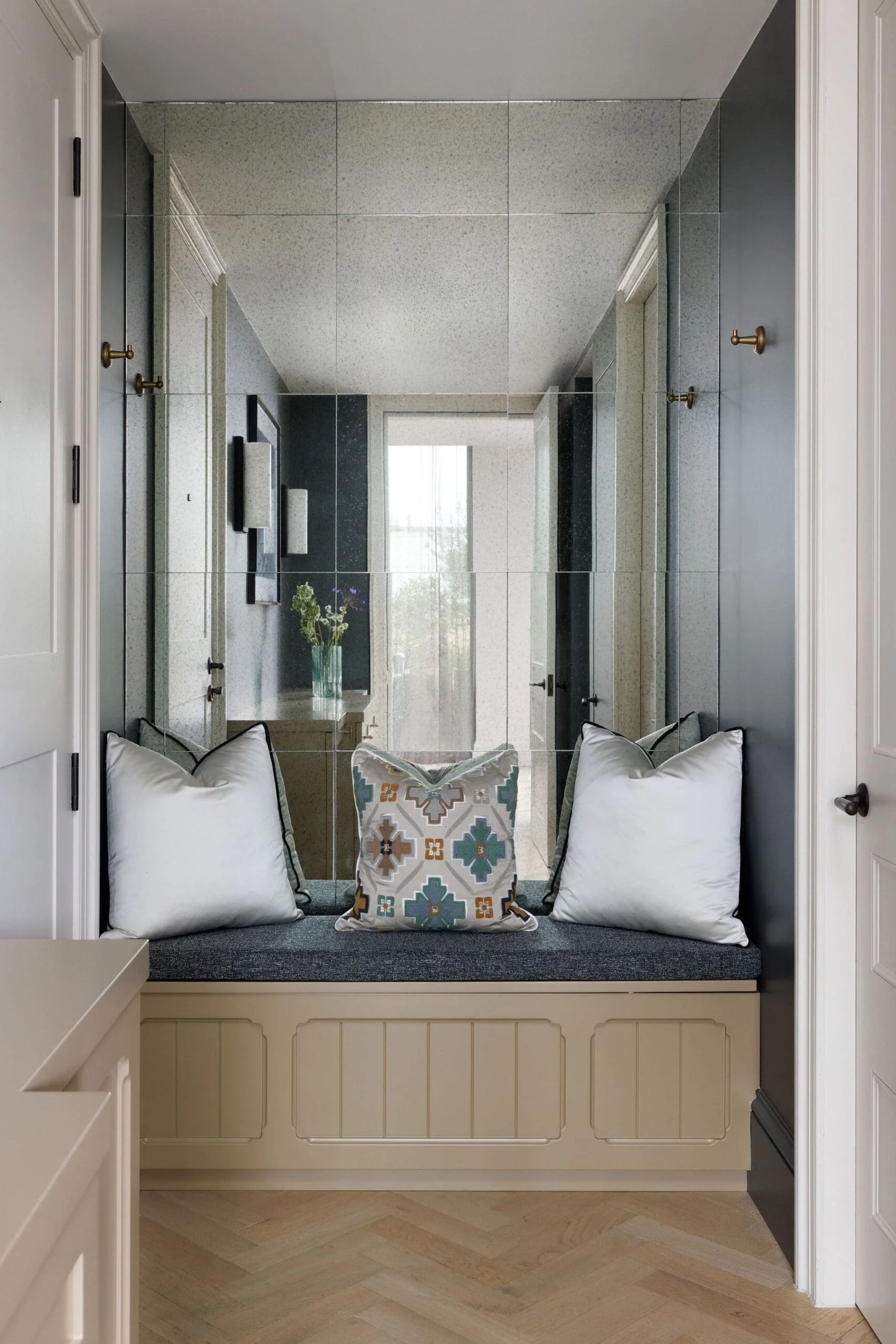
This is where I ask whether the doors and windows and stairs are in the right places. Whether moving a wall would yield better storage, or better-proportioned rooms. Whether an MVHR system can be fitted, and what else needs to be considered for heating, ventilation, water pressure, and water softening. Whether the kitchen is genuinely ergonomic for the person who actually cooks. Whether the bathroom layout works, or whether it needs reorganising before another decision is made. Whether the chimney breast, the cornicing, the architrave, the skirting, the moulding and the panelling can be resolved into a single coherent language. Whether the lighting plan supports both the breakfast table at seven in the morning and the dinner party at ten at night. Whether the acoustics of a large open-plan space will work, or whether they will defeat the room. Whether the technology — televisions, screens, audio-visual systems — can be hidden elegantly, so that it disappears into the architecture rather than dominating it. Whether the architecture and the interiors can be made to feel like a single, unbroken thought.
These are not aesthetic questions. They are technical ones, and they require years of practice to answer. The cost of getting them wrong is high — not always financially, although it can be that, but in the daily friction a family lives with for decades afterwards. A poorly placed utility room. A bathroom you have to walk through to reach a bedroom. An open-plan space that turns out to be acoustically impossible. These are mistakes that cannot be undone, only lived around. The question that comes up in my studio is never which sofa should we buy. It is how do we create spaces that work effortlessly — functionally, technically, emotionally.
The network behind the visible work
Behind every home that feels resolved is a network of makers, suppliers and trades, almost none of which the client will ever see directly. Over nearly two decades I have built close relationships with joiners who work to millimetre tolerances, upholsterers who can bring vintage furniture back to life, metalworkers who cast hardware in recycled bronze, plaster artists who finish walls in surfaces that catch the light differently at different times of day, stone fabricators who can backlight marble so it glows from within, conservationists who restore antiques, embroiderers whose work belongs in museums, and natural dyers who colour fabric the way it was coloured a hundred years ago.
Access to this network is itself a form of luxury. These makers are often unavailable to the general public. The relationships are cultivated over years — work brought to them, work celebrated by us, work introduced to new projects when it fits. They do not just improve the aesthetic of a home. They ensure that the home is built with a level of integrity and excellence that would be impossible to achieve any other way.
A relationship, not a service
Hiring a designer is a relationship. It requires trust on both sides, and a willingness to talk honestly about lifestyle, habits, priorities, and budget. The conversations are sometimes soul-bearing — they should be. There is no other way to do the work properly.
I came to design from another life. I spent years managing global pension funds before pivoting into property design, and the renovation of our first family home taught me, from the client's side of the table, what those conversations actually feel like. The frustrations. The worries. The moments of excitement. The decisions that turn out to matter much more than they seemed to at the time. I bring that experience to every project I take on. My role is to bridge the relationship between client and contractors, listen carefully, interpret sensitively, inspire creatively, challenge honestly, and treat each project with the same care I would bring to my own home.
What this looks like in practice is the cumulative effect of a thousand small decisions. Finding the right place for an icemaker. Finding space for a steam room. Creating a family room that everyone in the house actually uses. Hiding a large television without compromising the wall it lives on. Designing a kitchen pantry that absorbs the chaos so the kitchen itself can stay calm. Each decision is small. The compound effect, lived with daily over many years, is transformative.
This is the work that happens before the sofa. It is the reason the sofa, when we finally come to it, almost chooses itself. By then, the room knows what it needs. So does the family. The harder, slower, more invisible work has already been done.
Do you have a project in mind?
