
The Light That Shapes a Home
What lighting actually does
Lighting is the most underestimated decision in residential design. People spend months agonising over a kitchen layout, a sofa upholstery, a piece of stone for a worktop — and then specify the lighting in a single conversation, often with the electrician on site, weeks into the project, when most of the more interesting options have already been closed off. The result is a house that looks beautiful in daylight and feels wrong every evening.
What lighting actually does, when it is doing its job, is shape the experience of a room moment by moment, hour by hour. The same room reads as bright and energetic at breakfast, as warm and convivial at lunch, as intimate and atmospheric at dinner, and as quiet and softly luminous at bedtime. None of these registers is automatic. Each requires a specific layering of light sources, a specific palette of colour temperature, a specific set of circuits that allow the room to shift between them. The whole point of designing lighting properly is that the room is never lit the same way twice — and the family living inside it never thinks about why.
I am, on balance, someone who likes bright rooms. My husband typically comes in and turns the lights down. Every circuit in our house is on a dimmer, which is the simplest reconciliation we have found of two people who disagree about how a room should feel. Lighting is a personal experience, and one of the things a good scheme builds into a house is the ability for different people, in the same room at the same moment, to find the light that suits them.
The three layers
The single most important principle in residential lighting is that every room needs three kinds of light, working together, each on a separate switch.
Ambient lighting is the foundational layer — the light that evenly illuminates the room and lets you read its proportions. Ceiling fittings, chandeliers, recessed lighting, wall-mounted fixtures. These are the workhorses. They establish the baseline. They are not, generally, the lights you switch on in the evening when you want the room to feel atmospheric.
Task lighting is focused. It is the light you read by, cook by, work by, apply makeup by. A desk lamp, a pendant over a kitchen island, a vanity light beside a mirror, a reading lamp behind an armchair. Task lighting is intensely practical, and it tends to be the layer that most homes get most wrong — the result of inadequate light in the places people actually need it, and excessive light in places they don't.
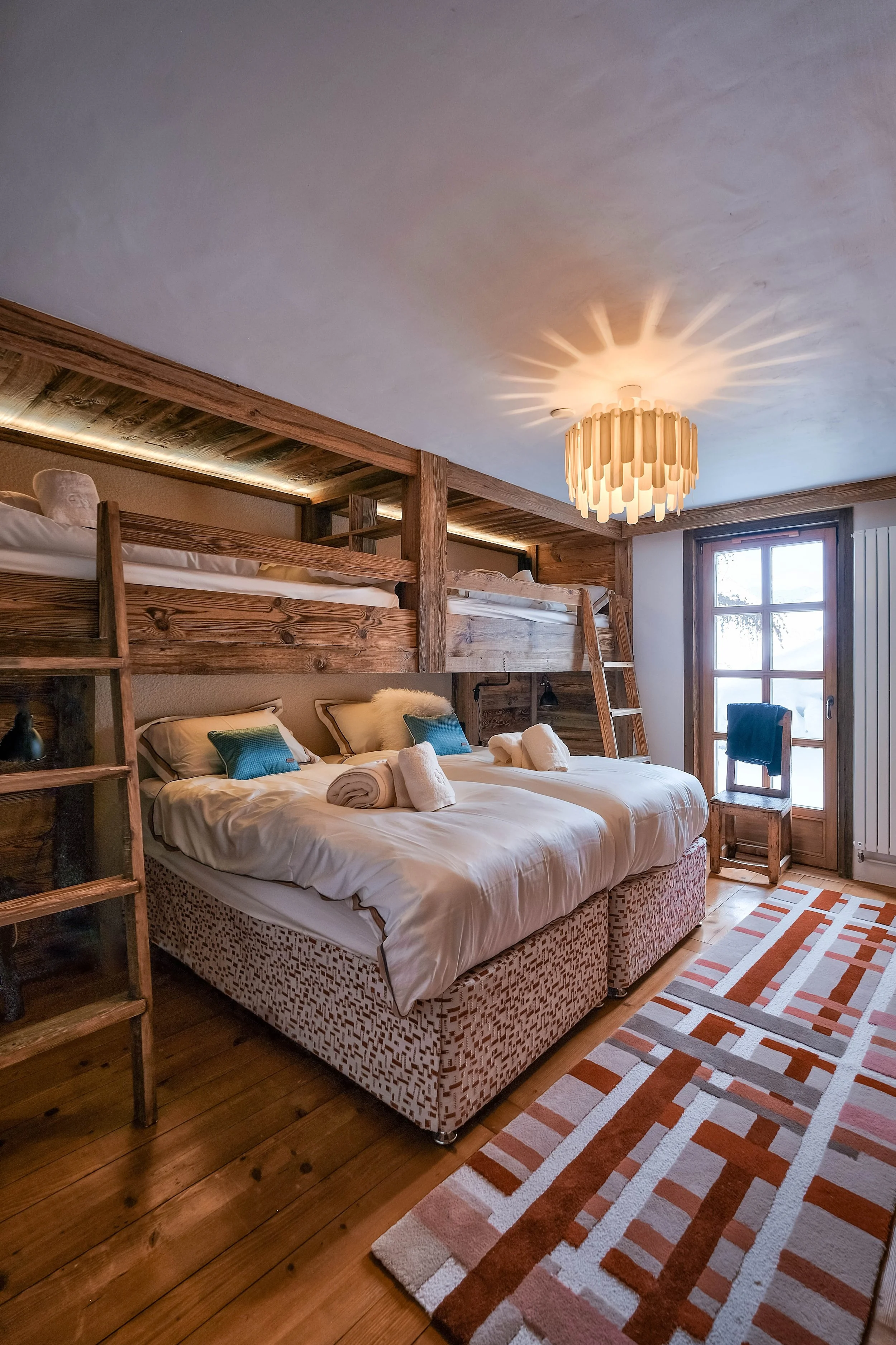
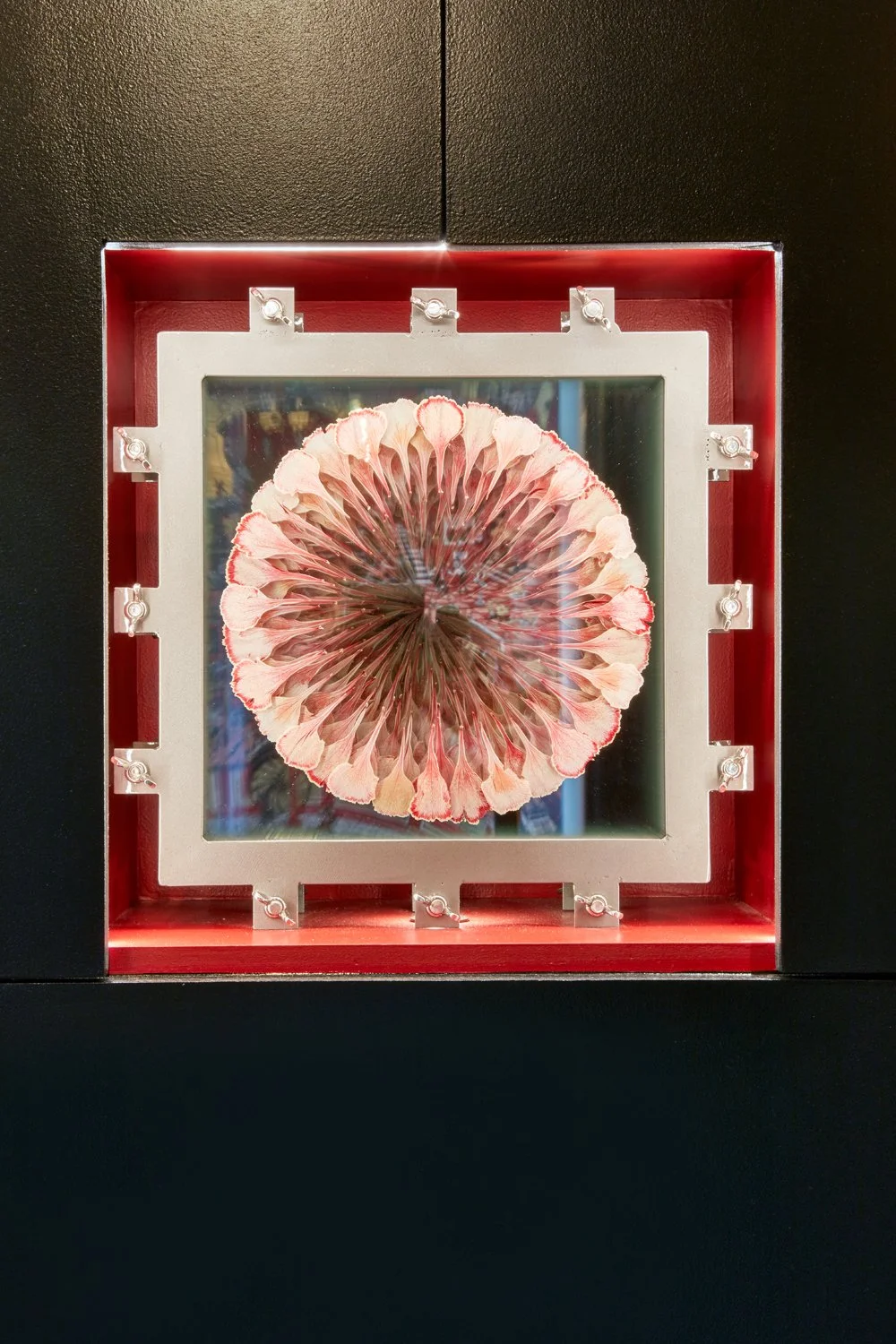
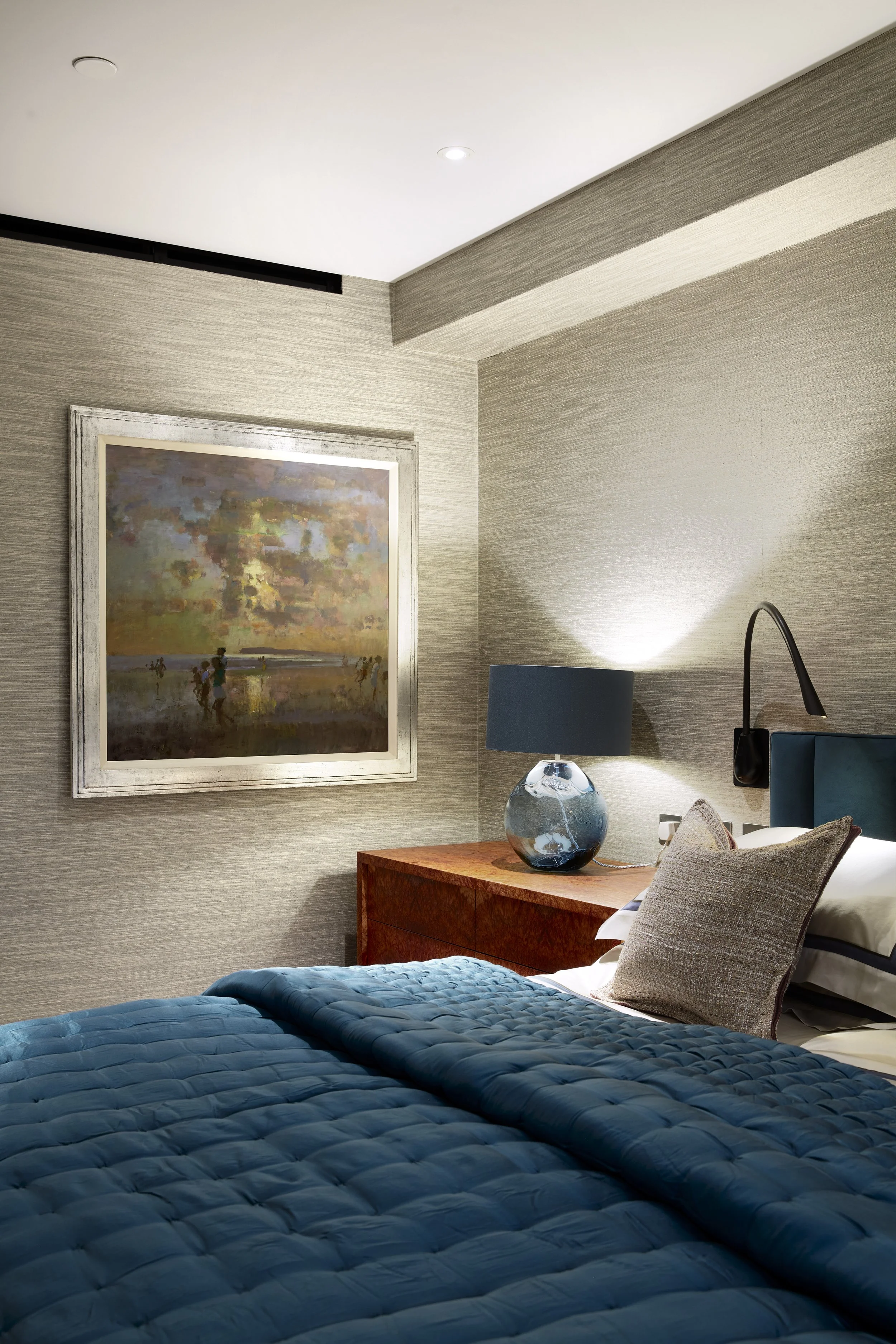
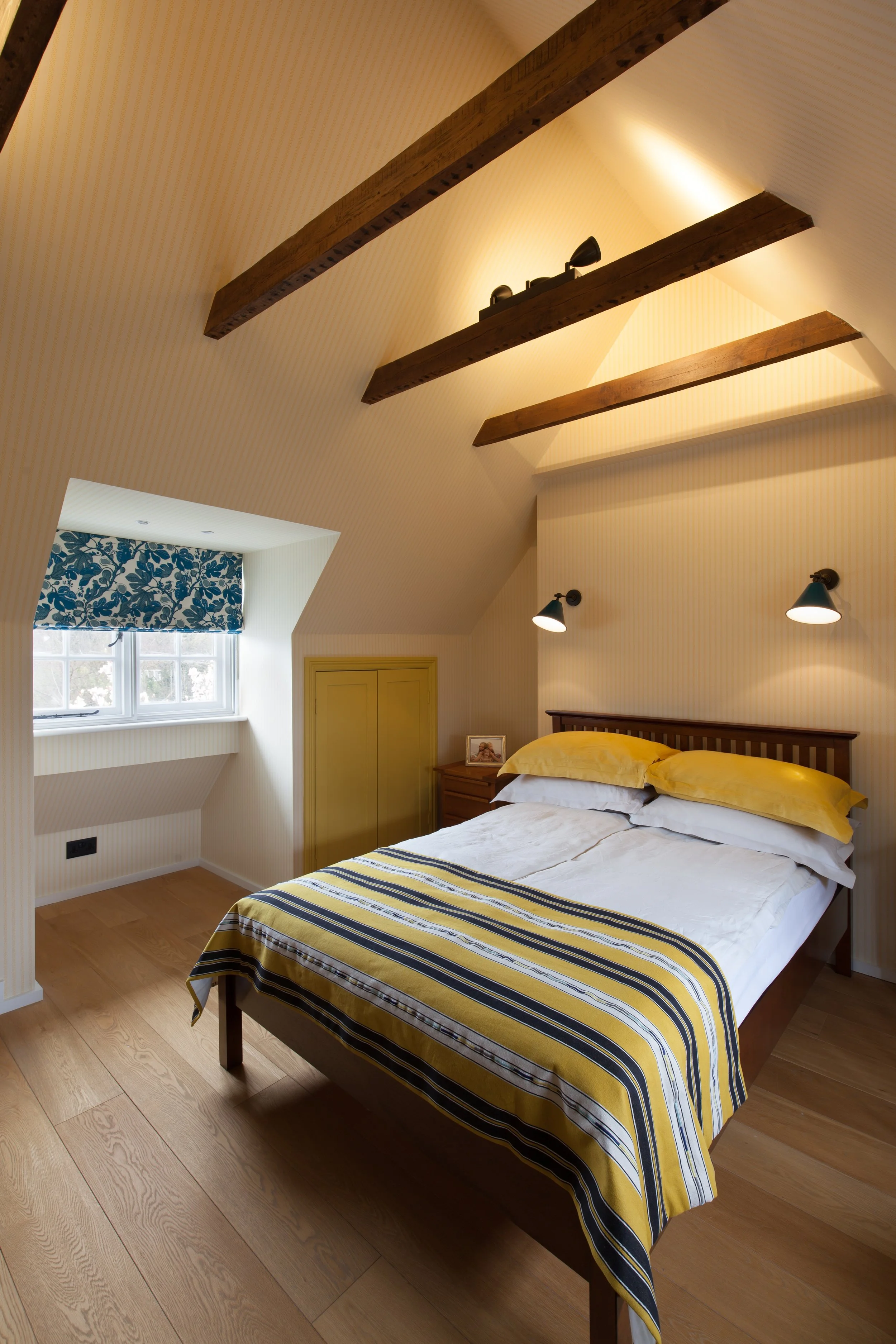
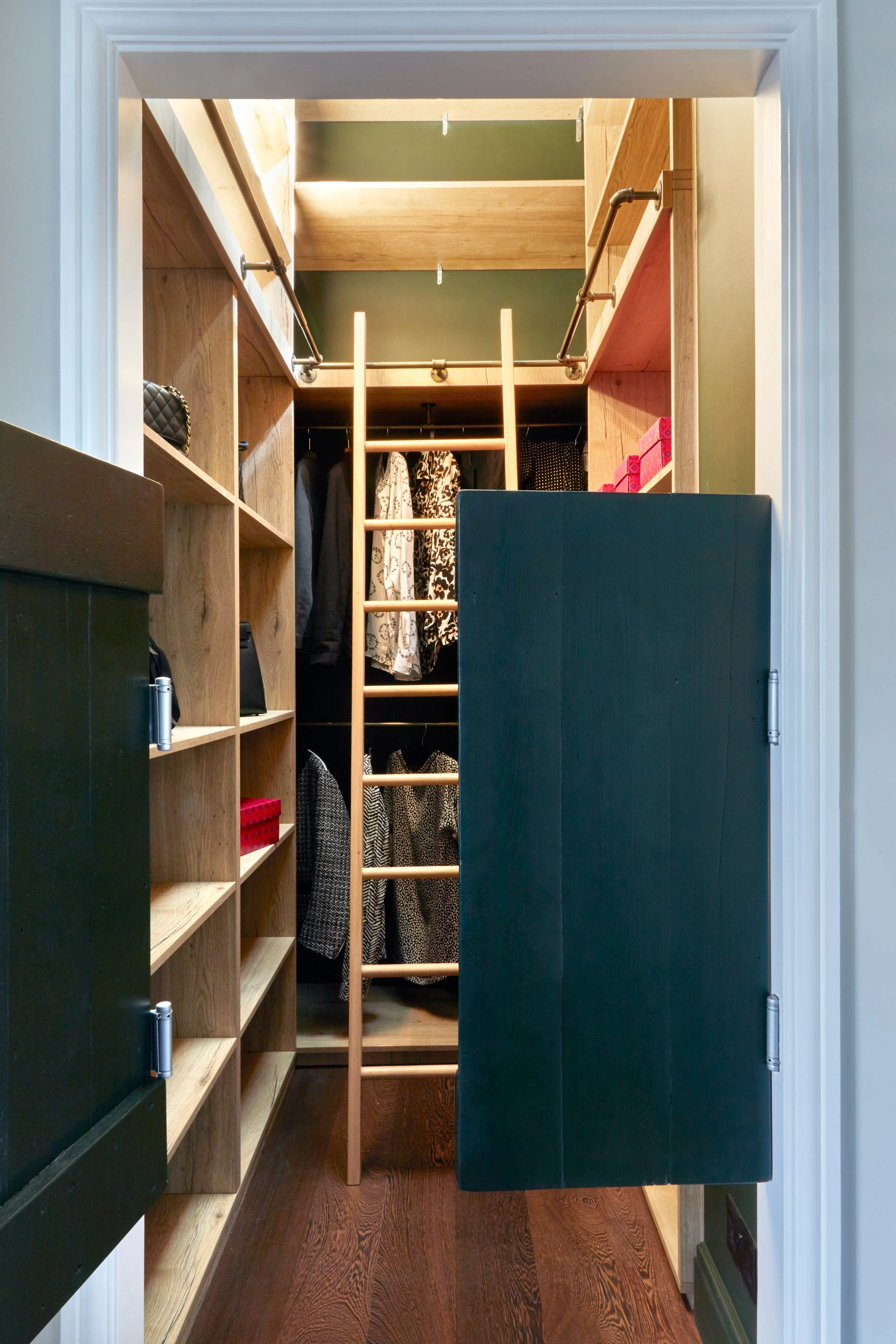
Accent lighting is the third layer, and the one that most distinguishes a thoughtfully lit home from a merely functional one. Picture lights, LED strips beneath floating shelves, directional spotlights with narrow beams, integrated joinery niches with hidden strip lighting — these highlight architectural details, artworks, and texture, and they give a room atmospheric depth at night that no amount of overhead lighting can fake.
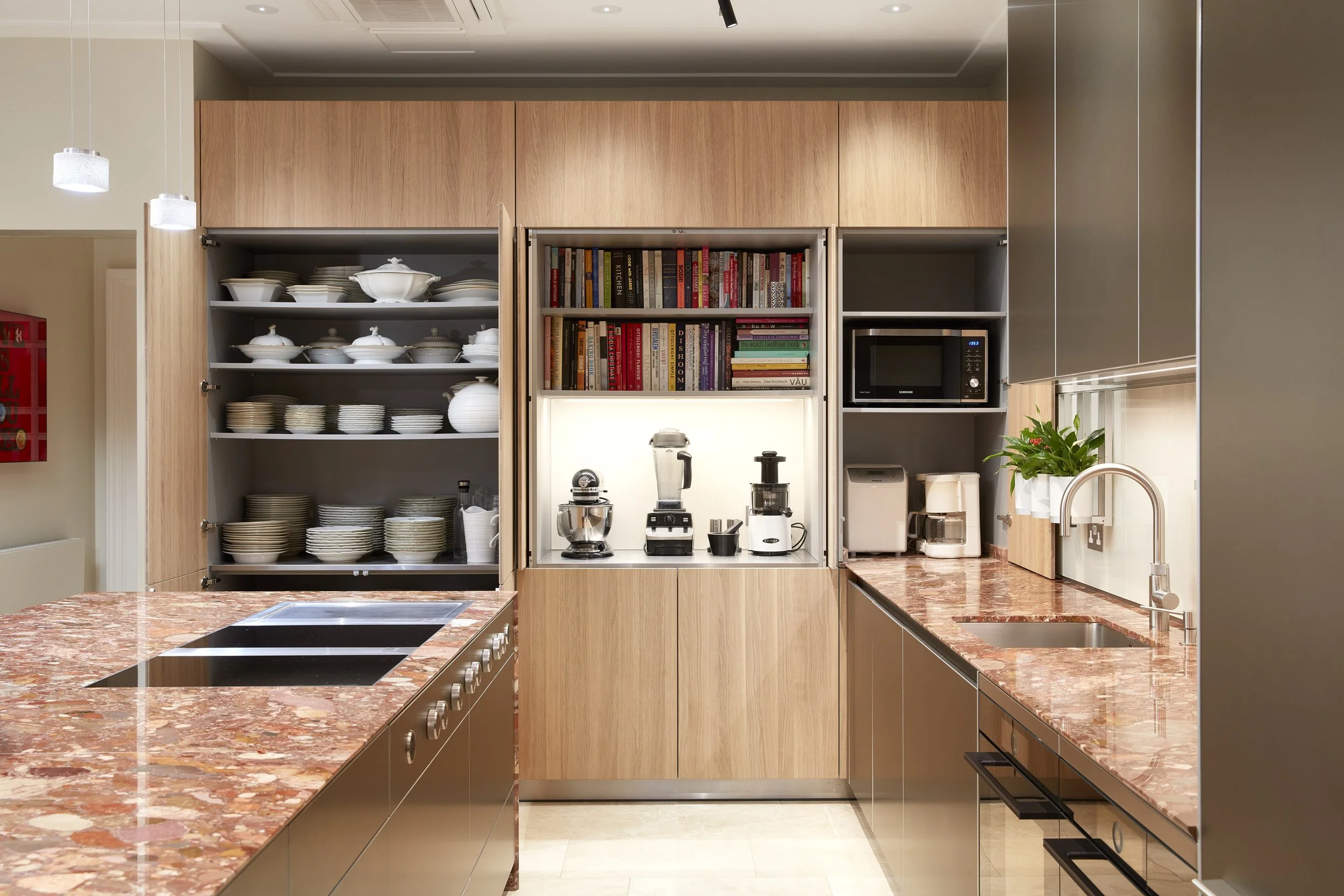
The interplay between these three layers is what allows a room to transition gracefully through the day. The same kitchen, lit ambiently in the morning by a chandelier and recessed downlights, can be lit task-fully at dinner by a pendant over the table, and atmospherically late at night by under-cabinet strips and a single picture light alone. Three layers, three sets of circuits, three different rooms inside the same architecture.
The Swiss cheese problem
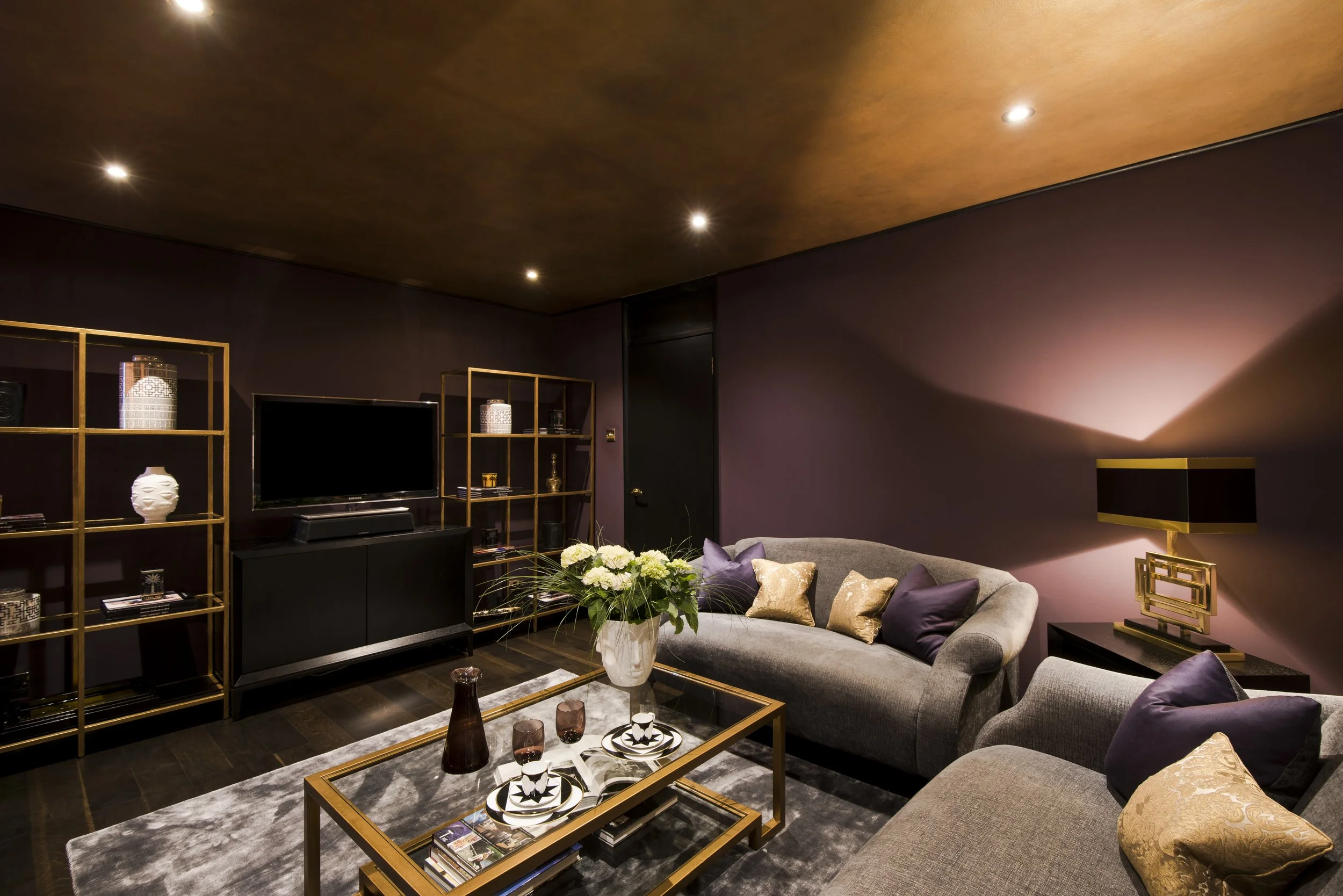
The most common mistake I encounter in residential lighting is the over-installation of ceiling spotlights. There is a generation of UK housing stock — particularly mid-2000s refurbishments — where the answer to lighting any room appeared to be the placement of downlights in a regular grid across the ceiling, the holes increasing in number as the room got larger, until the ceiling resembled a slab of Swiss cheese.
A grid of downlights is, in almost every case, the wrong answer. It floods the room with flat, even light from a single height and direction. It eliminates shadow, which is the very thing that gives a room atmosphere. It makes the ceiling itself feel like the surface you should be looking at, which it isn't. It is the lighting equivalent of fluorescent strip lighting in an office — efficient, even, and entirely uninviting.
In renovation projects, more often than not, we take spotlights out. We replace them with a smaller number of well-placed recessed fittings (for the ambient light that is genuinely required), a statement pendant or chandelier (for character), and layered wall lighting, picture lights, and accent fittings that bring the lighting down to where the people are. The room reads as taller, more atmospheric, more thoughtfully designed — and, crucially, less expensive to run, since most of the spots were doing very little useful work in the first place.
A small number of spots, placed deliberately to wash a wall or to illuminate a specific working area, is fine. A grid of fifteen of them in a sitting room ceiling is a mistake that costs more to install than it does to remove.
Colour, intensity, and time of day
The colour temperature of a light source — measured in Kelvin — affects how a room feels more than people realise. Warm light, between 2700 and 3000 Kelvin, creates an inviting, cosy atmosphere. This is the right register for living rooms, bedrooms, and most domestic spaces. Neutral light, between 3500 and 4000 Kelvin, balances clarity with comfort. This is what suits kitchens and bathrooms during the day. Cool light, above 4000 Kelvin, mimics daylight and is appropriate only for workspaces and dressing areas where colour accuracy matters more than atmosphere.
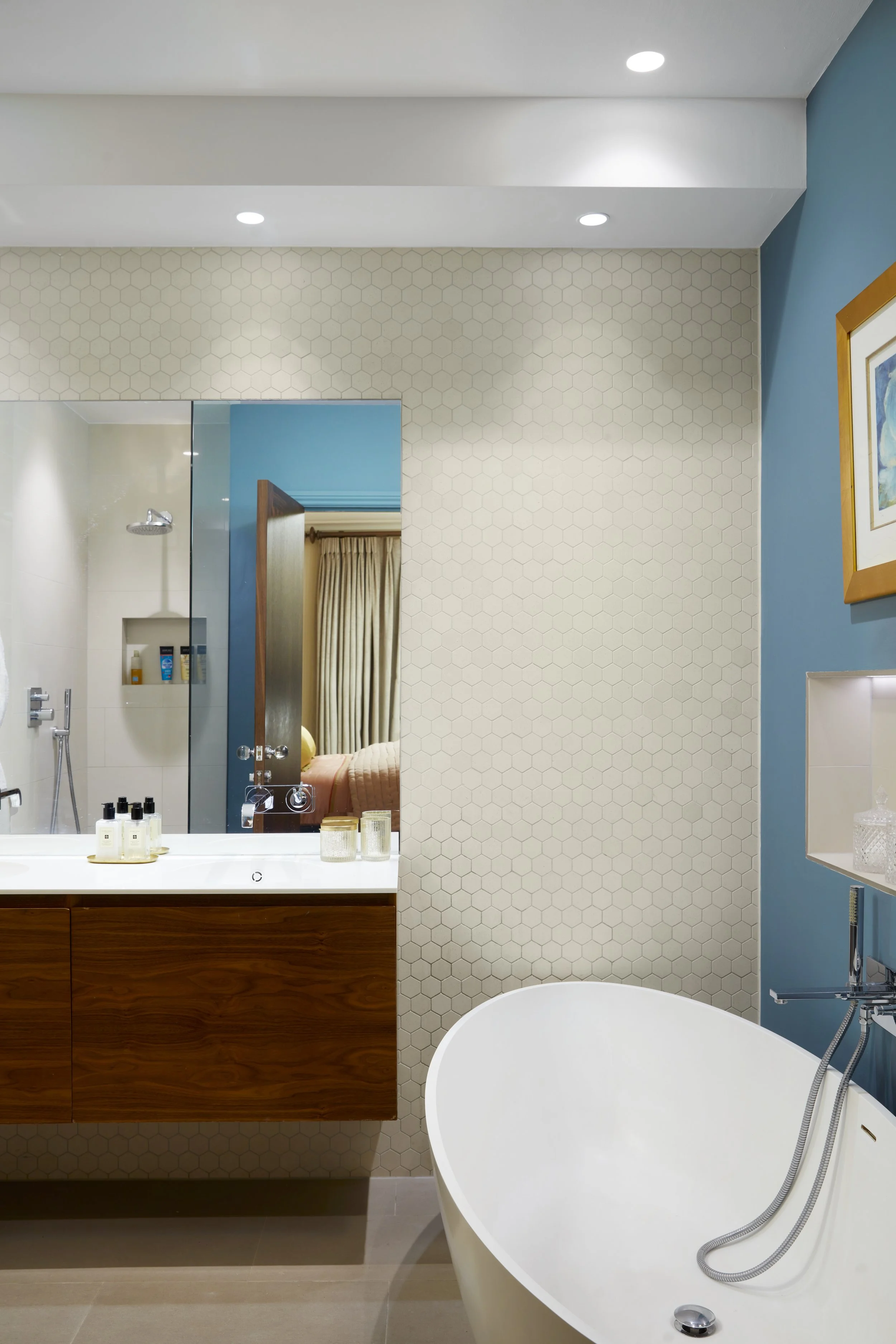
The mistake is to assume a single temperature for the whole house. Bathrooms benefit from warm light around the mirror, which softens reflections and is gentler on the face, combined with cooler light in the shower or wash area. Kitchens benefit from neutral light over the worktop combined with warmer pendants over the dining end of the room. Architectural spotlights and some decorative fittings — Orluna and Occhio are the two brands I source most often, both of which combine very high CRI with adjustable colour temperature — allow a single fitting to shift between registers as the day progresses.
The Colour Rendering Index (CRI) is the second piece of this puzzle. CRI measures how faithfully a light source reveals the actual colours of the surfaces it falls on. Cheap LED bulbs render colour badly; everything in the room looks slightly grey, slightly off, slightly wrong. Good LED bulbs — and they do cost more — render colours faithfully, and the materials in the room come alive. For dressing areas, art-rich rooms, or any space where colour accuracy matters, a high-CRI specification is non-negotiable.
The final layer is intensity, controlled by the dimmer. I install dimmers on every circuit, in every room. The same kitchen pendant that reads as bright and practical at lunchtime should read as low and atmospheric at midnight. Dimmer switches are the simplest and most transformative lighting upgrade a home can have. They allow the same fittings to do the work of three or four different ones, and they let a room change register as the family's activity changes.
Two things to know about dimmers. First, not all light fittings dim. Certain decorative pieces, particularly vintage fittings or specific filament bulbs, can't be dimmed at all. Worth checking before specification. Second, dimming a fitting whose driver isn't compatible with the dimmer module will produce flickering or humming at the low end of the range. A good electrician will ensure the drivers and modules are compatible. We do this as part of every scheme we design, but it is worth raising with anyone undertaking lighting work in an existing home.
For very large or complex properties — particularly open-plan spaces where ten or more circuits need to be controlled — a whole-house smart system can earn its keep. Most homes do not need one. A well-designed scheme with a good variety of dimmer circuits and carefully selected fittings does the job, often more elegantly.
Light as an object
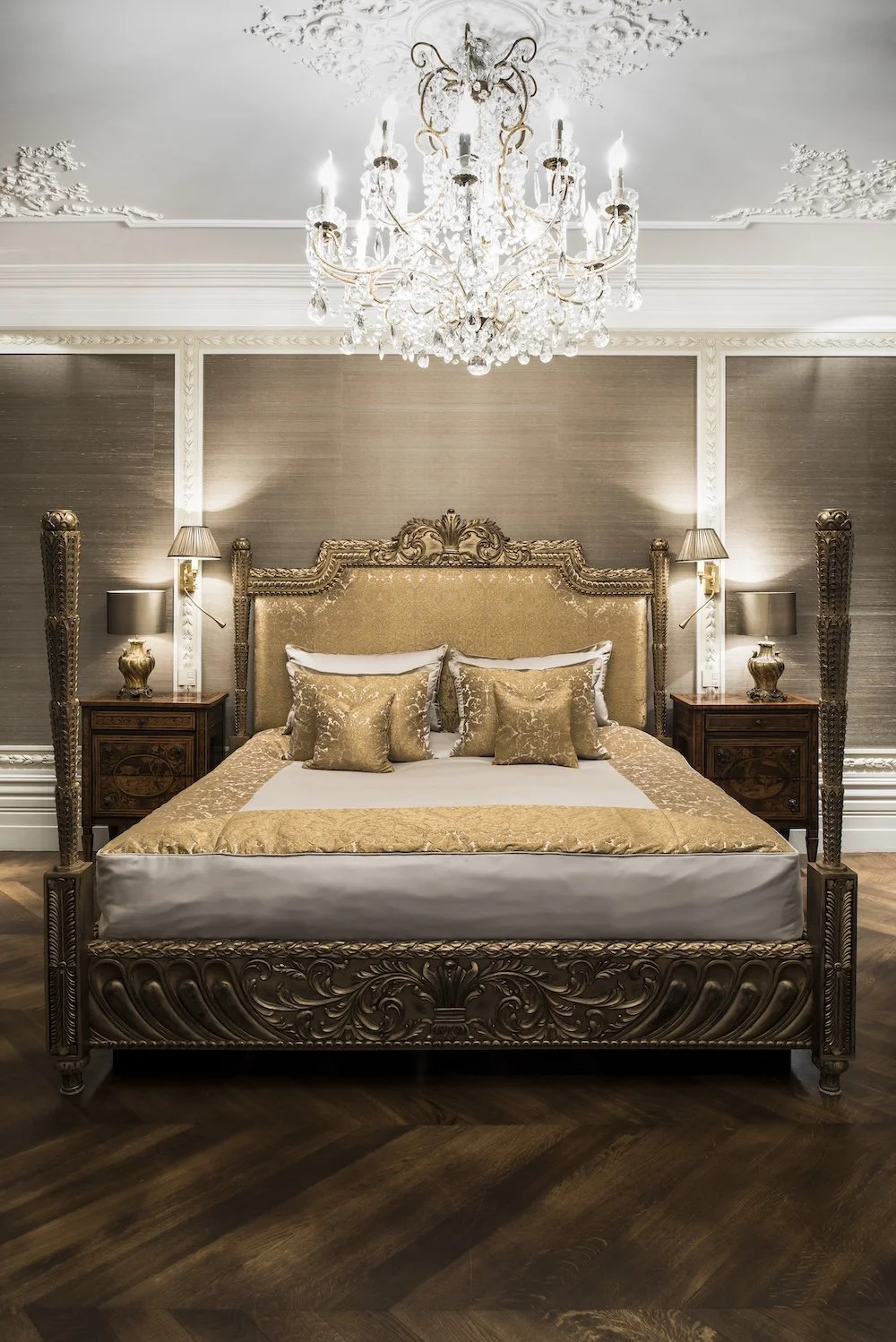
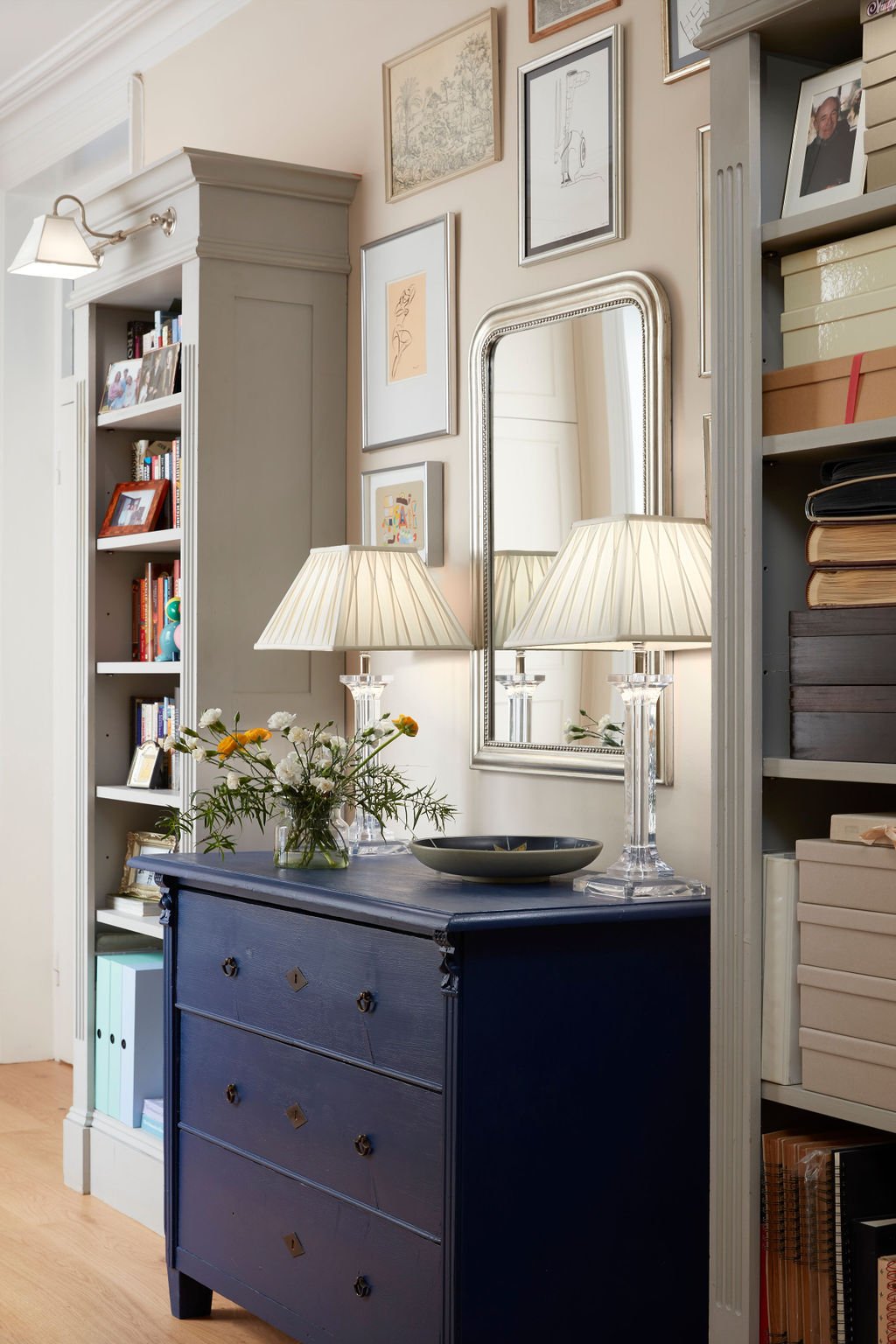
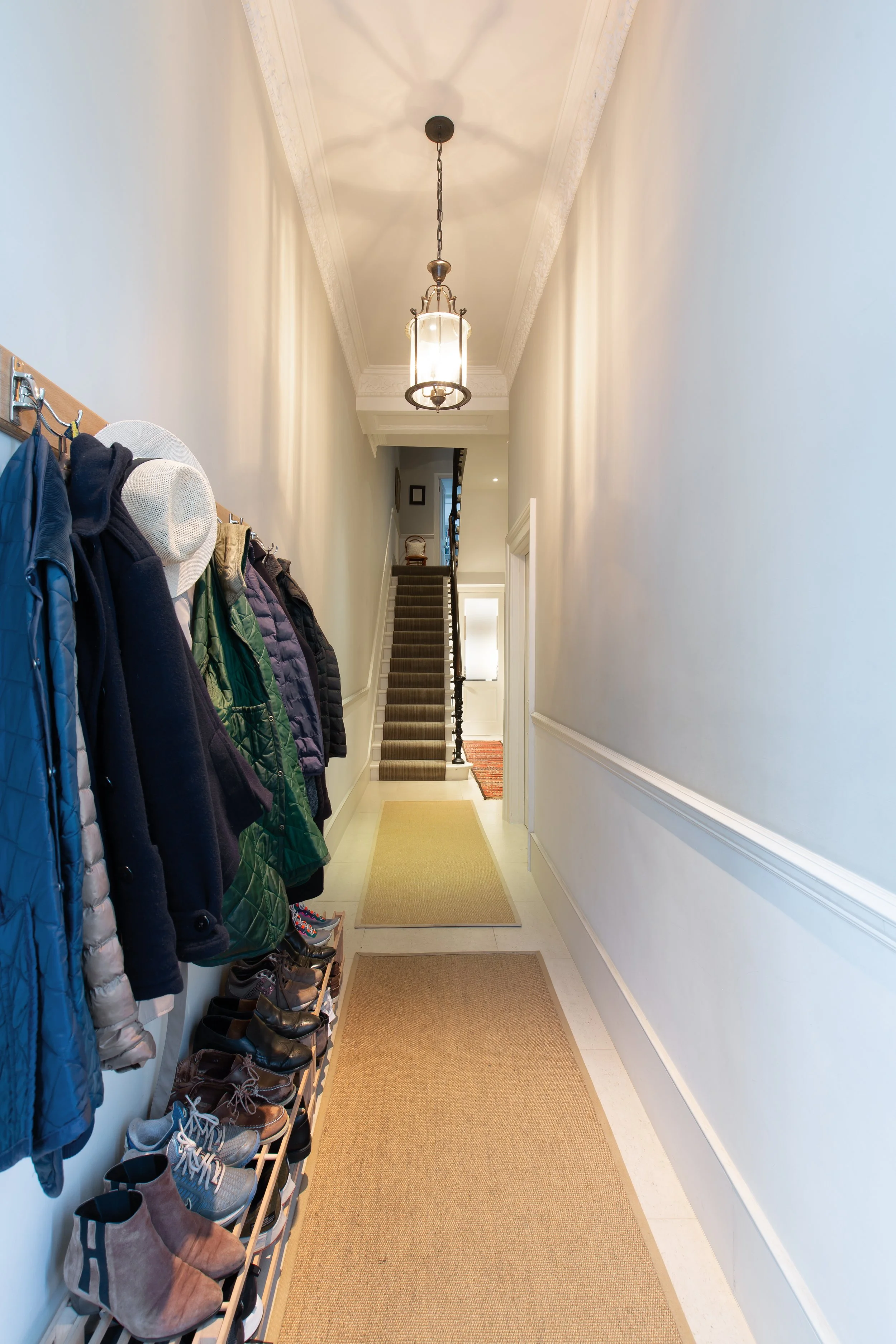
Decorative lighting is the most personal layer of the scheme. Statement chandeliers, sculptural pendants, intricate wall sconces, table and floor lamps with character — these pieces are functional, yes, but they are also pieces of jewellery for the room. They are often the single object in a space that does the most to set its tone.
I am perpetually searching for new lighting. Increasingly I have been drawn to vintage fittings, because the design language of older lighting has a confidence and a character that very little contemporary production manages to replicate. The hunt is part of the pleasure. I go to vintage markets and dealers with clients when the project is at the right stage, and we look for the piece that will set the register of a particular room. The piece is rarely there at the first visit. It usually appears at the second or third, and there is a quality of recognition when it does — both clients and designer agreeing without needing to say so.
Most vintage lights arrive needing work. Our workshop rewires them for modern LED bulbs, regilds the metalwork when it has tarnished, refurbishes the original shades or commissions new ones in fabric that suits the project. The piece comes back transformed, but with its history intact. It carries something into the room that a new fitting from a showroom cannot — a sense of continuity, a previous life, an object that has lit other dinners and other conversations before this one.
We also reuse clients' existing lights wherever possible, particularly inherited pieces with sentimental weight. A chandelier from a grandmother's house, rewired for LED and rehung in a child's bedroom, carries a meaning into the room that no replacement could.
What well-lit homes have in common
The houses that feel beautifully lit, in my experience, share a small number of characteristics. They have at least three layers of light in every room. They are wired to a careful set of circuits, each on its own dimmer. They have committed to a coherent palette of colour temperatures, warm where warm is wanted and cooler only where the task requires it. They have at least one piece of decorative lighting in every key room that reads as an object as much as a fitting — a chandelier, a pendant, a vintage table lamp.
They have not been over-lit. They are not punctured with ceiling spotlights. They feel atmospheric in the evening because someone, at the planning stage, drew a lighting plan with the same care that the room itself was designed with, annotated and numbered each circuit, walked through the house mentally as the lights came on and off through the day, and made sure every register the family would live in was accounted for.
Lighting will not, on its own, make a house beautiful. But no other single decision will undo a beautiful house faster than getting the lighting wrong. The colour, the layering, the warmth, the shadow — these are the things that turn architecture into atmosphere. The light is the difference between a room that looks good in photographs and a room that feels good to be in.

Do you have a project in mind or require help with choosing the right lighting for your home?
