
How to choose a bed like an interior designer

The Bed as Architecture
We rarely think of a bed as furniture first. Long before the linen or the headboard, it is a question of proportion. How high it should sit. How it meets the room around it.
We tend to begin with height, which is a more consequential decision than it first appears. A higher bed reads as more classical, and tends to suit the body better with age, but it changes everything around it: the scale of a bedside table, the placement of a light switch, its relationship to the ceiling. We generally work within a range of 40 to 70 centimetres, though underfloor heating has recently added its own constraint. Wooden floors need room to breathe, so we now raise beds by up to 10 centimetres wherever heating runs beneath them. Small adjustment, considerable effect.
The next question is structural. A framed bed, whether in solid timber, wrought iron or steel, has a different presence in a room than a divan, which relies instead on an upholstered base and a body of springs beneath it. We have retrofitted antique frames with modern slat systems from Treca Paris more than once, occasionally lengthening a period frame with a restorer to suit a contemporary mattress. It is one of the more satisfying kinds of dialogue between old and new: the frame keeps its history, the sleep improves considerably.
Where a bed is built from scratch, the proportions of the room should lead the design, not the other way round. We work closely with makers such as Turnpost, Natural Bed Company and Epoc, whose craftsmanship allows a frame to be sized precisely to a space rather than fitted into it.

The headboard
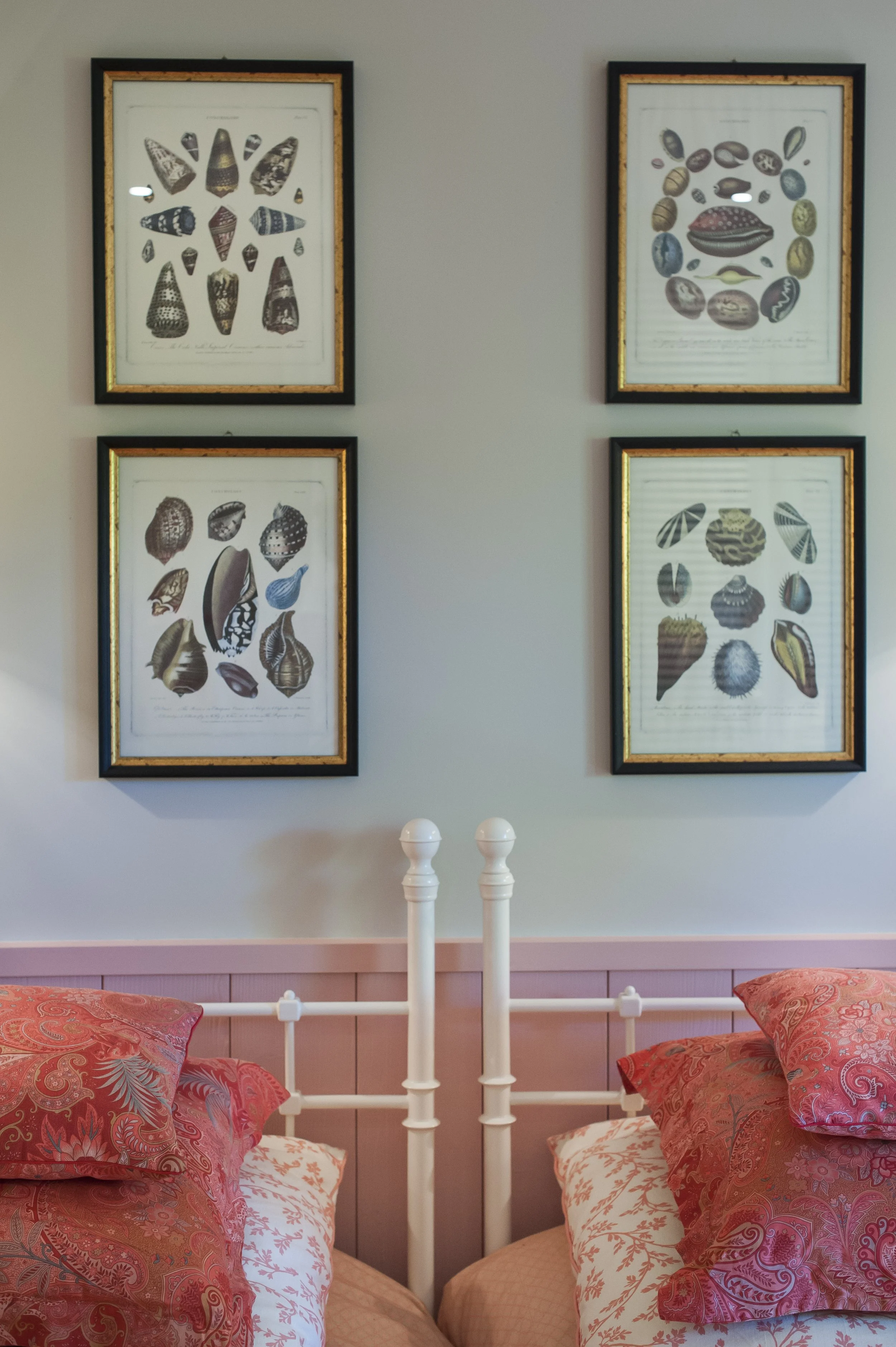
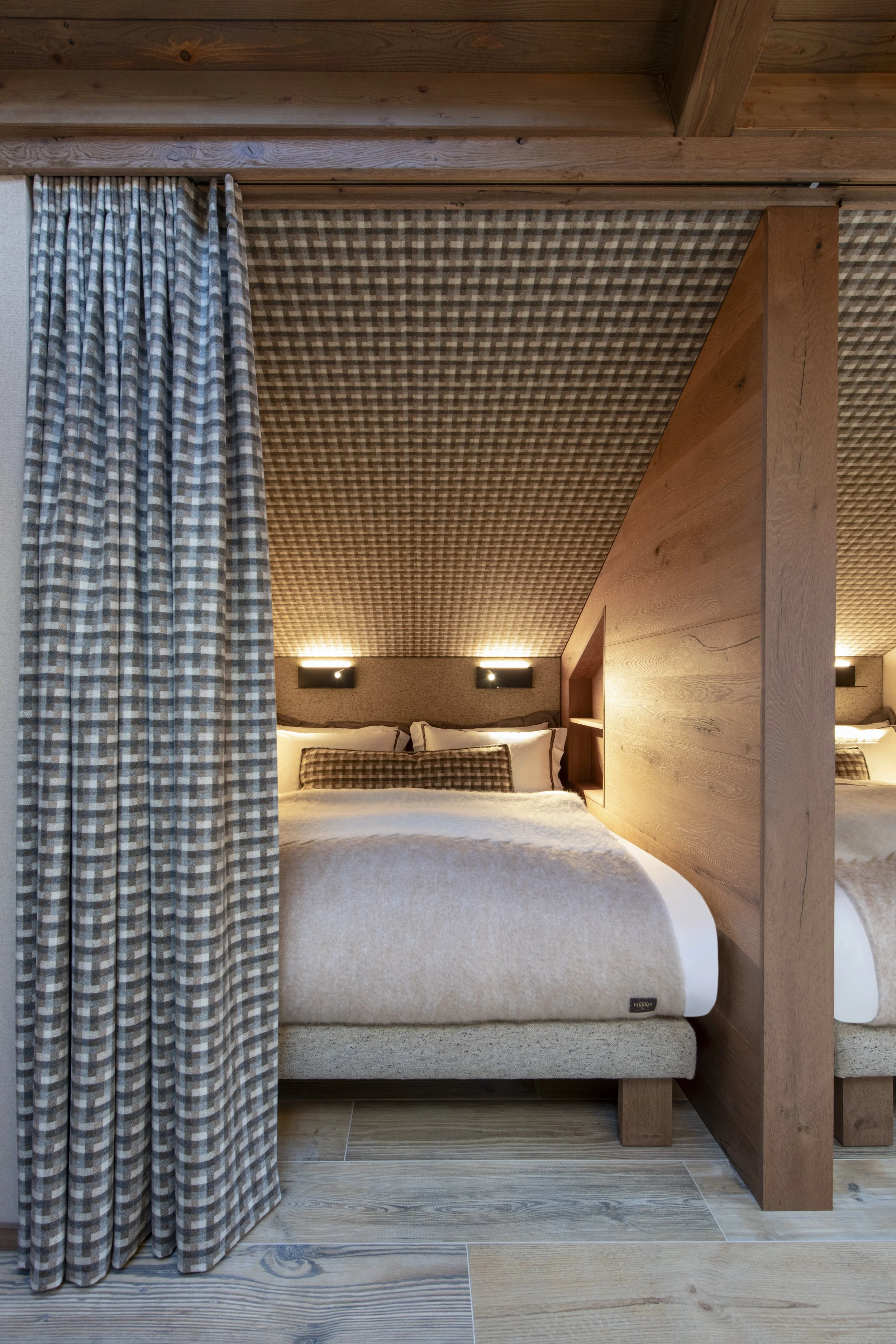
Of everything above the mattress, the headboard has the most influence over how a room feels. It needs to support the body properly when leaning back, which narrows the practical choices considerably, and the material carries real consequence: fabric, leather and wood all age and mark differently, particularly where hair oil and damp are concerned.
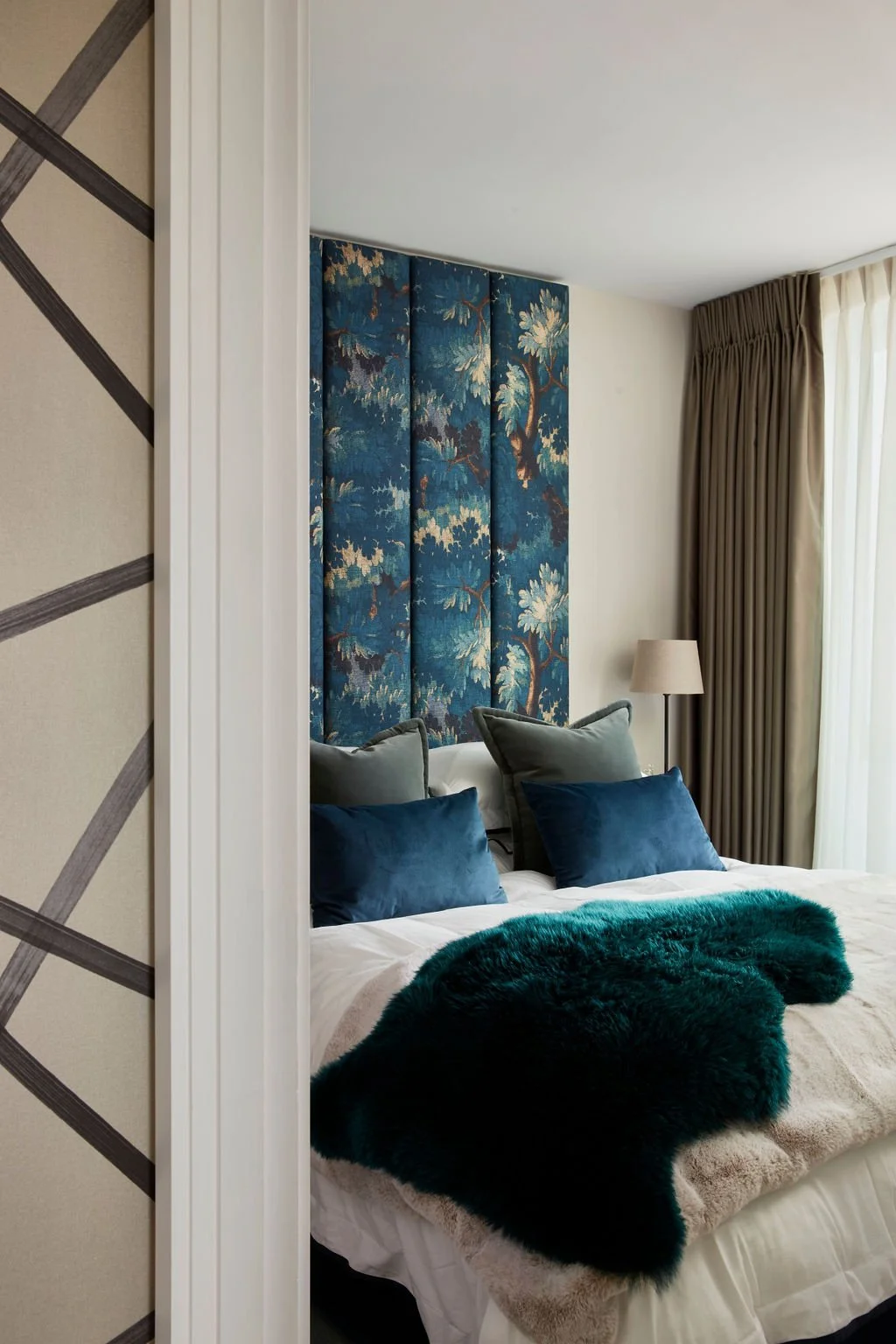
Within those constraints, there is genuine room to experiment. We have hung leather panels from simple hooks, draped antique textiles across a wall, commissioned hand-carved panels for upholstery, and built panelling that runs floor to ceiling where a room's proportions call for it. A headboard is one of the more reversible design decisions in a bedroom, which makes it one of the more useful ones to be bold with.


Storage, considered as architecture rather than an afterthought
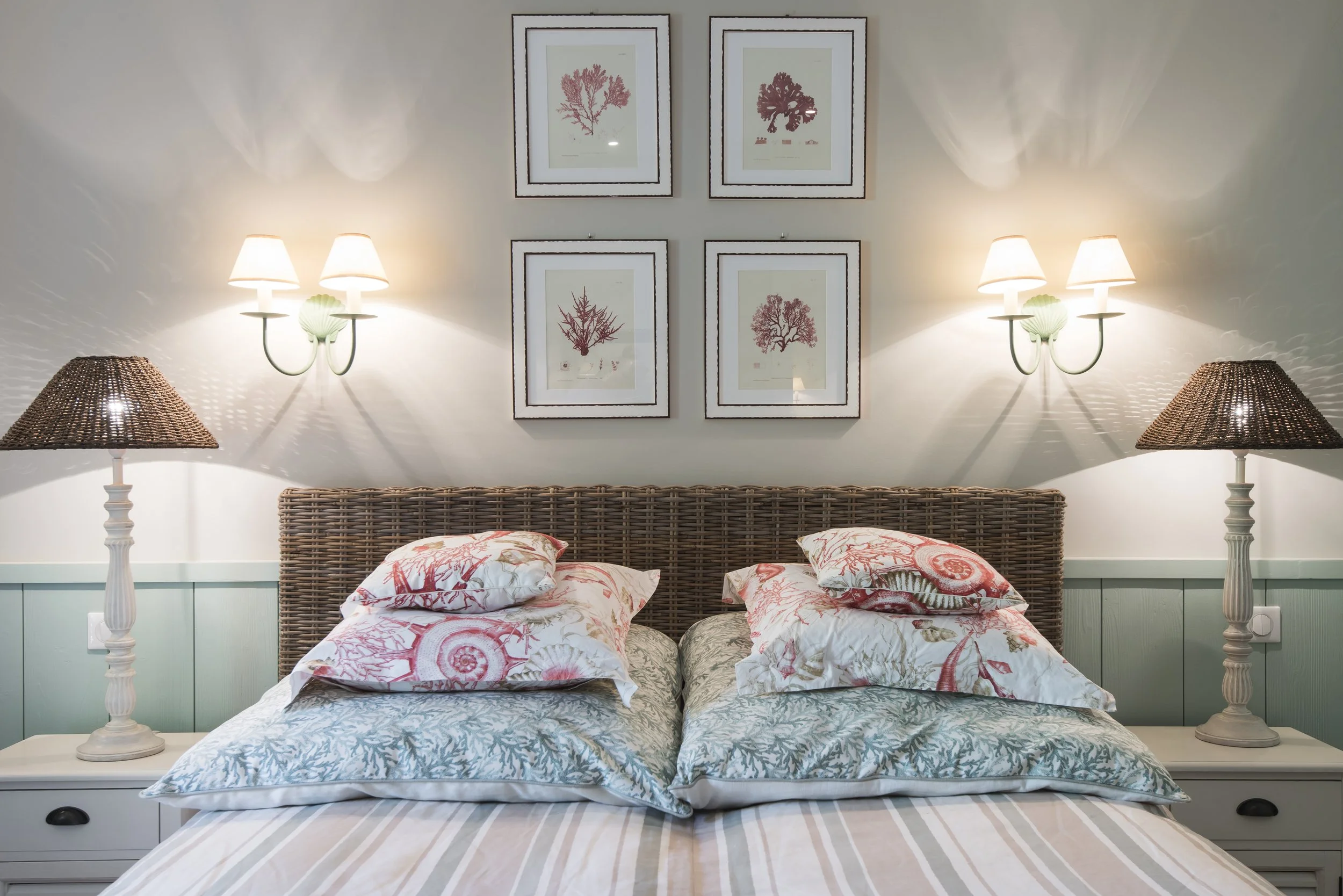
A well-designed bed can absorb the storage a room lacks elsewhere, and this is worth treating with the same care as a fitted wardrobe. There are broadly two approaches: integrated drawers, which suit linens and lighter items but reveal seams in the base fabric, and lift-up platforms, which offer considerably more volume and are better suited to bulkier things like luggage or a seasonal wardrobe swap. We tend to favour the latter where the ceiling height allows it, working with Epoc, Colunex, Furl and Treca depending on the mechanism required. It is worth ensuring the platform beneath the mattress still uses proper slats or a sprung base; storage should never come at the expense of how the bed actually sleeps.
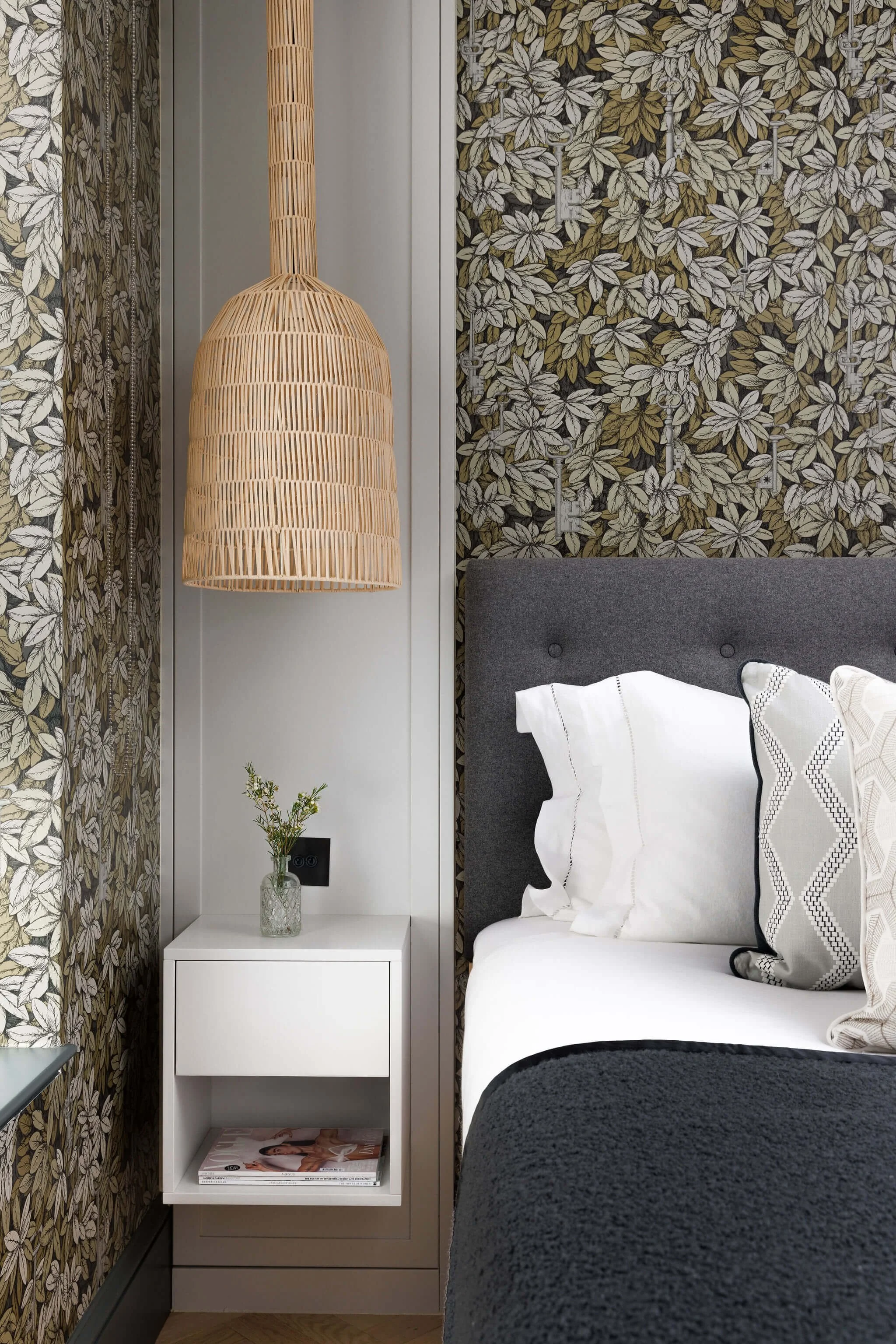
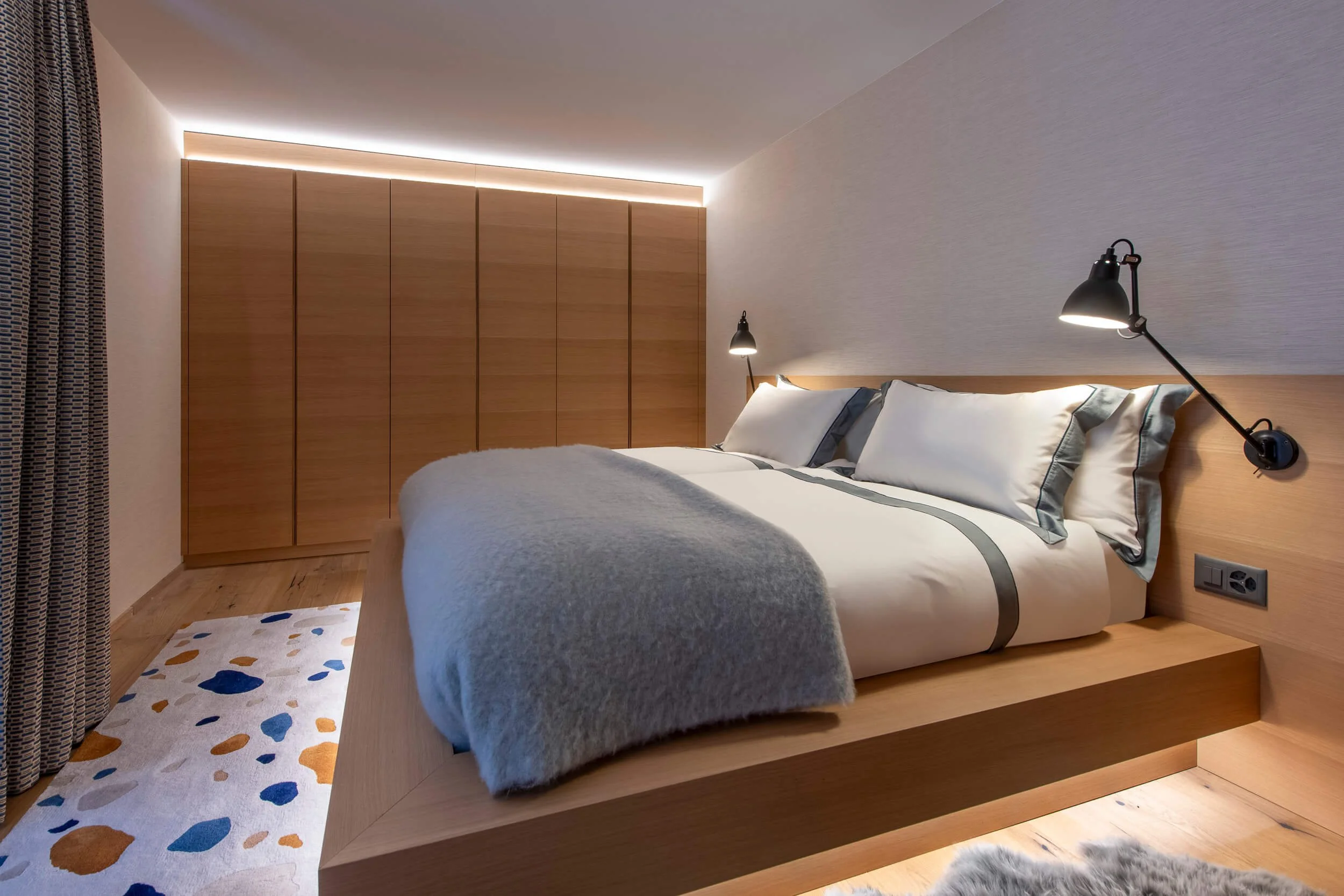
In our chalet projects, where floor space is often genuinely scarce, storage tends to move into the bed frame itself: shelving built into the headboard, bedside surfaces formed as part of the frame, sockets and USB points fitted discreetly within reach. The same thinking travels well beyond the mountains.
Layering
Cushions, throws and the fabric behind a headboard are where a bed picks up personality. The logic is fairly consistent: structural pillows at the back, smaller and more decorative ones in front, a throw in cashmere or a textured knit across the foot of the bed to anchor the palette. A curtain hung behind the headboard, in a heavier fabric or a light sheer depending on the effect wanted, can soften a room considerably and lend it a sense of height it might otherwise lack.
Linen
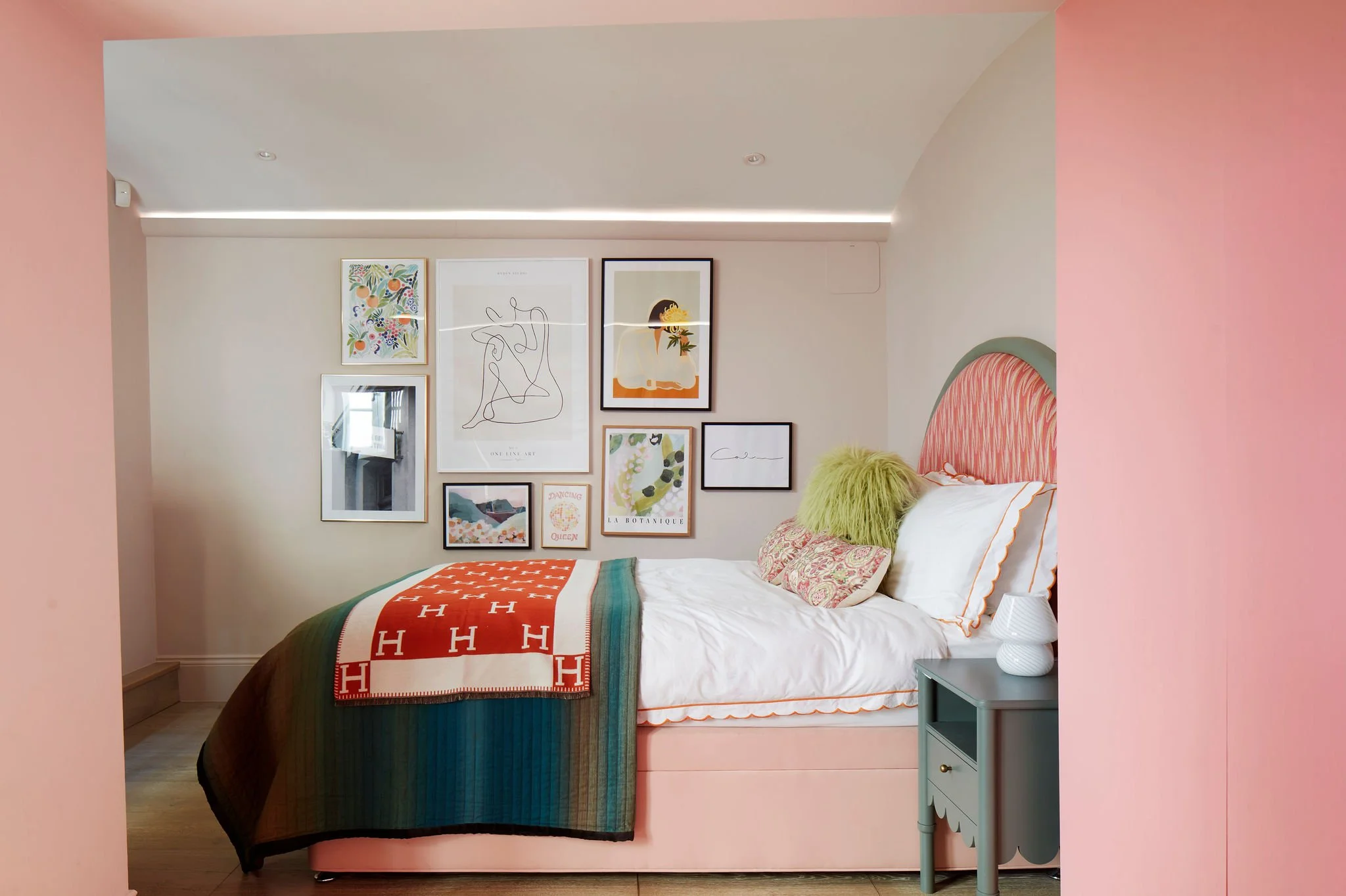
Linen is the layer closest to the body, and it is where material honesty matters most. We favour high thread-count cotton, linen and silk, chosen as much for how they feel over years of use as for how they photograph on the day. For most projects we design bespoke bedlinen with Heirlooms: two sets per room, sharing a base cloth but varied in trim, so the room can shift character without losing its consistency.
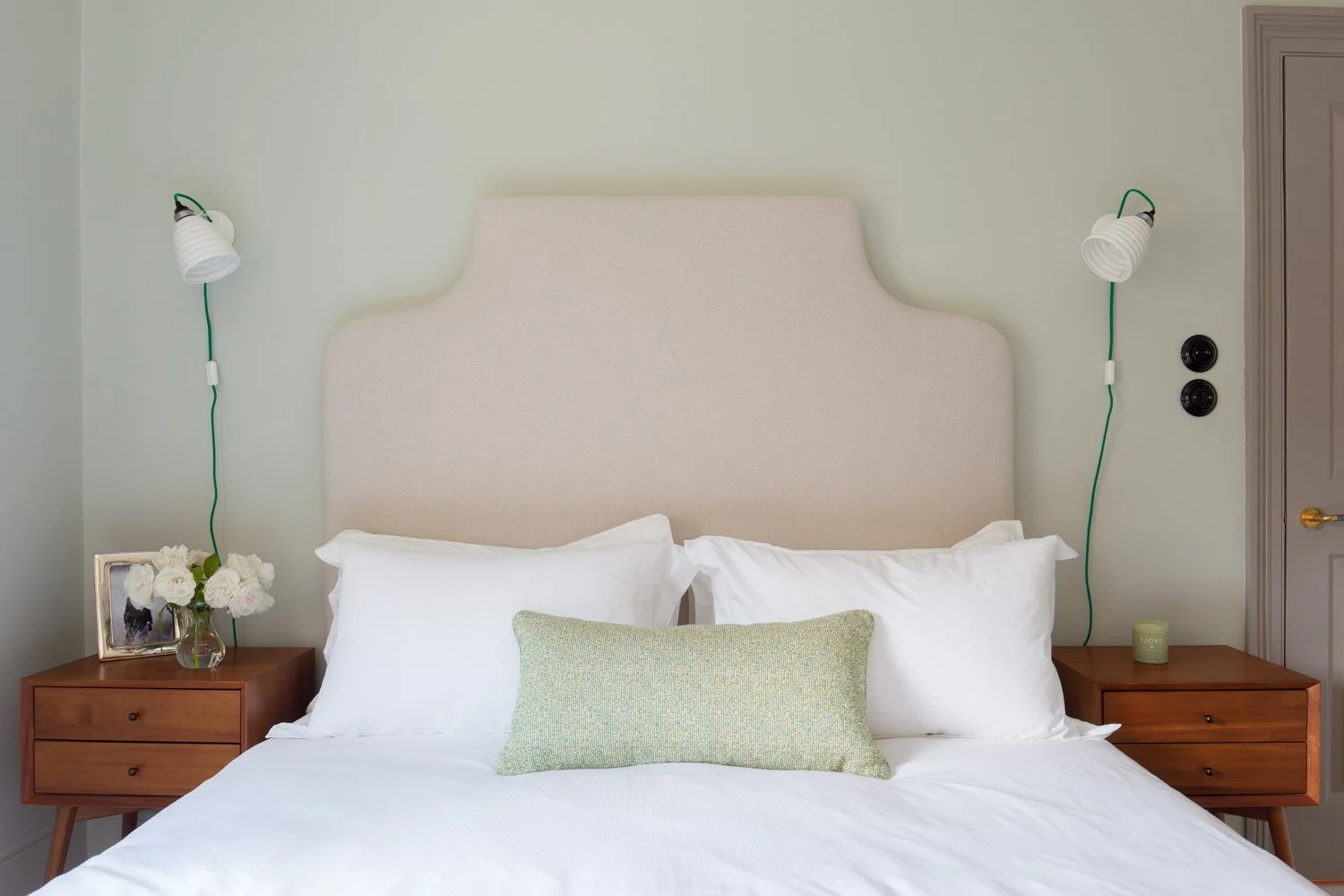
Colour tends to follow the room rather than lead it. Crisp white remains the most enduring choice, though soft greys and muted tones can settle a space, and in the right context a bolder print earns its place too.
The neuroscientist Matthew Walker has written about how central sleep is to the body's daily repair, and it is a useful reminder that a bed is functional before it is beautiful. Get the frame, the height and the base right, and the rest of the design can afford to be quiet.

Do you have a project in mind or require help with choosing the right bed for your home?