
Why we so often design rugs ourselves, and how colour, texture and scale let a single piece hold a room together.
Choosing it like art
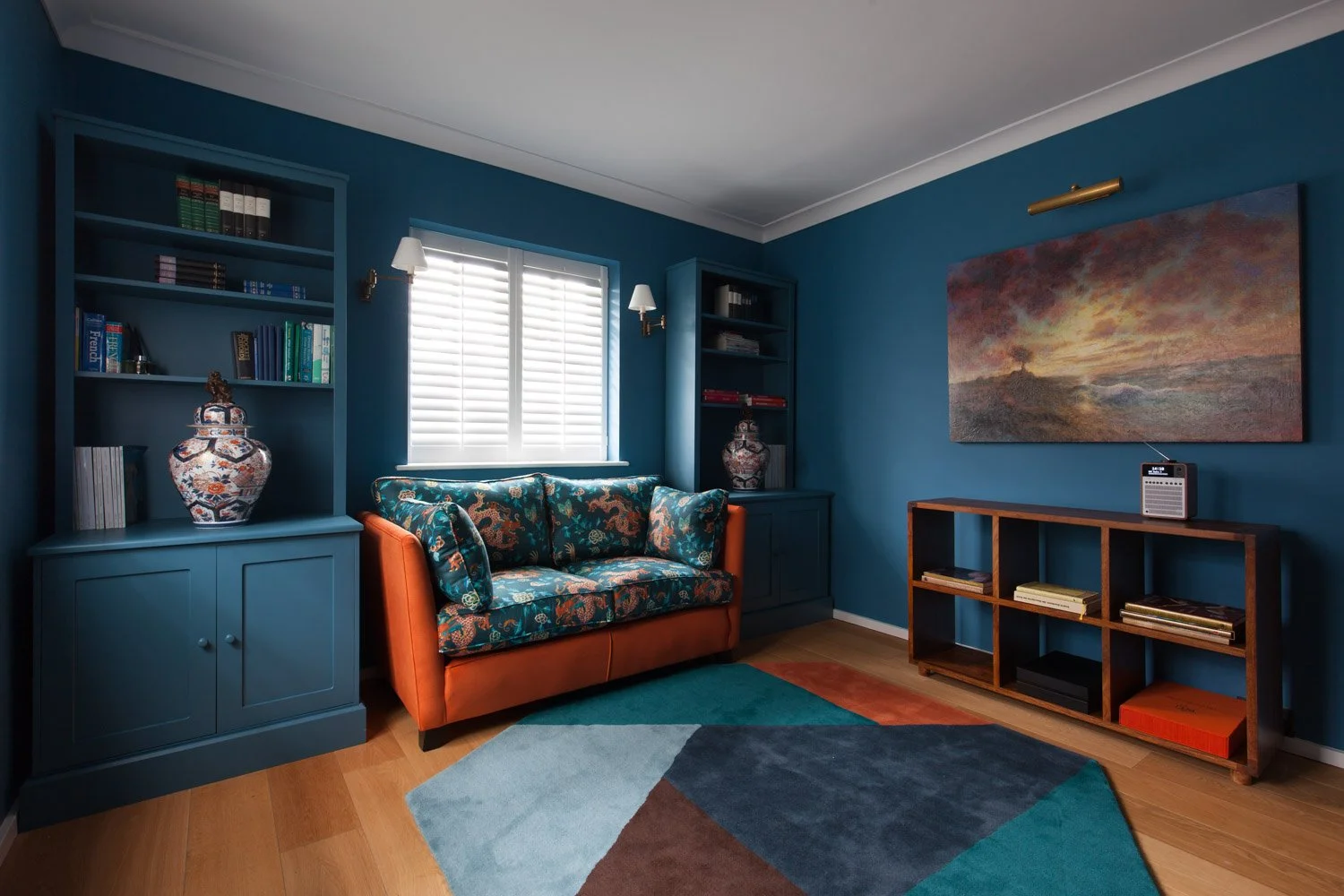
Choosing a rug is closer to choosing a painting than to buying a floor covering. A rug grounds a room, gathers its furniture into a composition and brings a warmth and texture nothing else can. And because a bespoke rug can be made to any size, colour, pattern and pile, it is often the piece we design specifically for a scheme rather than search for.
Purpose first
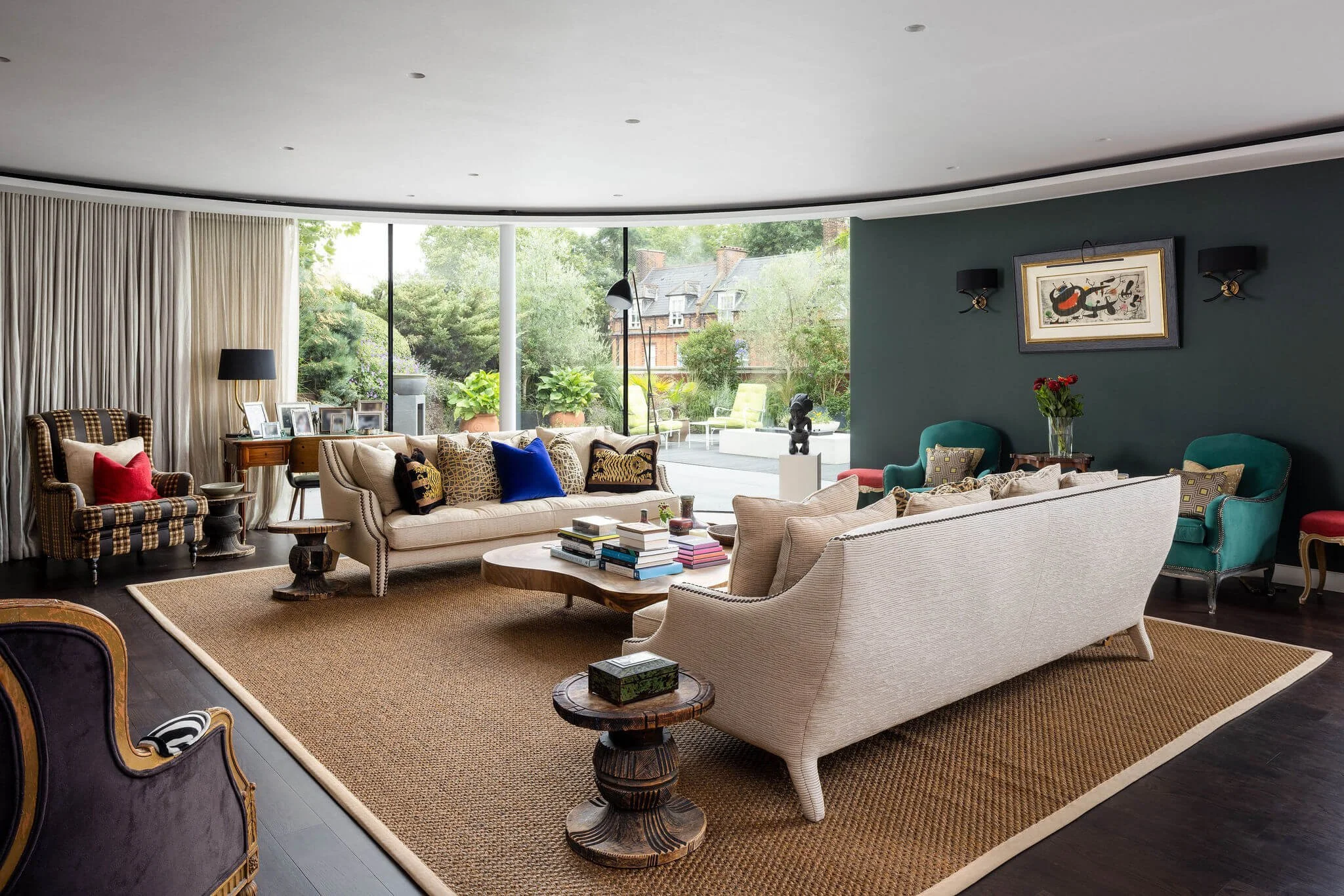
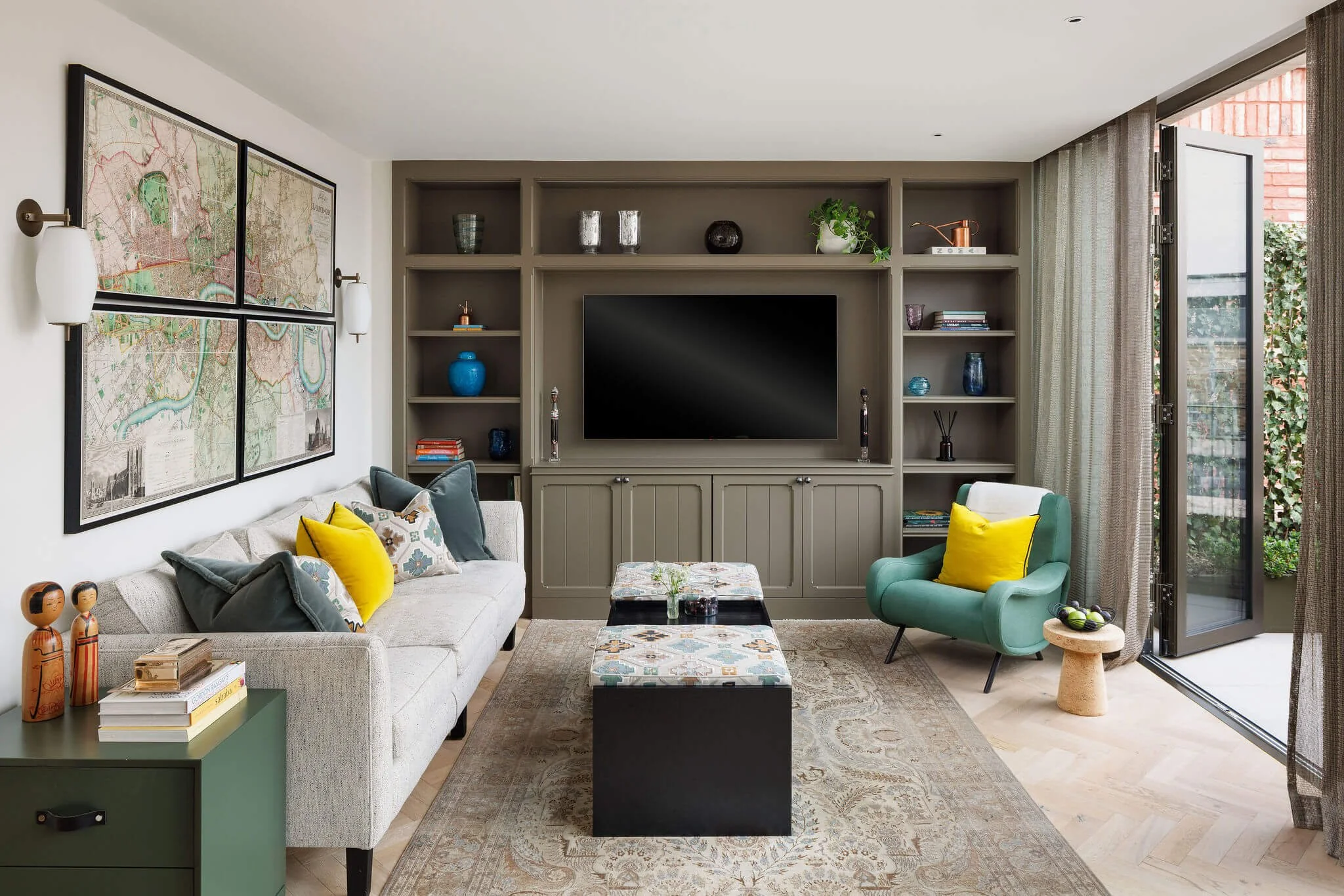
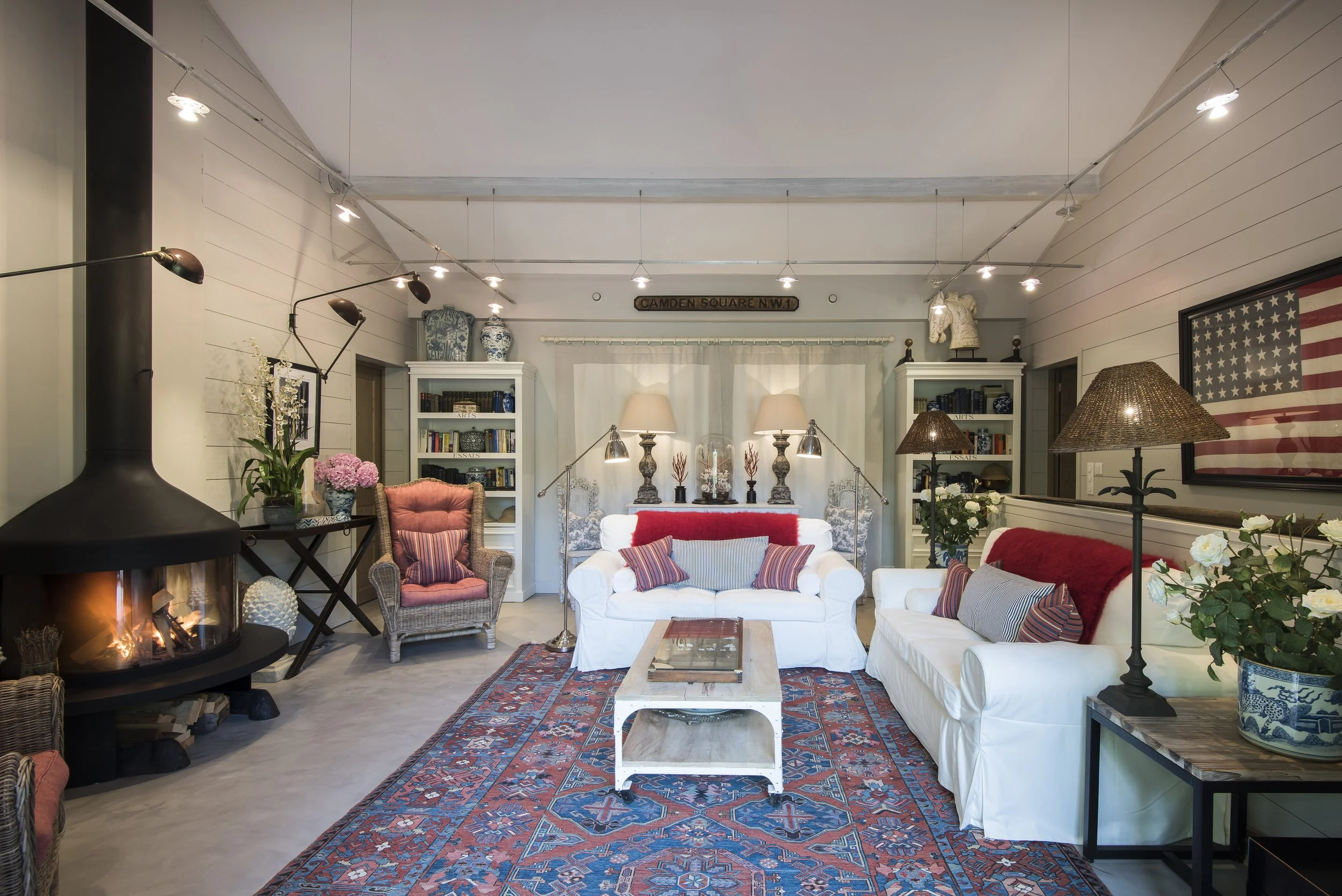
Every rug begins with what the room asks of it. In an open-plan living space, it can define the sitting area and become a focal point in its own right; Ben Whistler's custom rugs, made to accompany their furniture, are a good example of how well that can work. A bedroom calls for something soft and deep underfoot. Under a dining table, durability matters, and the rug must extend far enough for chairs to stay on it when pulled back. A bespoke stair runner, chosen for both beauty and hard wear, can turn a staircase into one of the strongest moments in a house.

Colour, pattern and pile
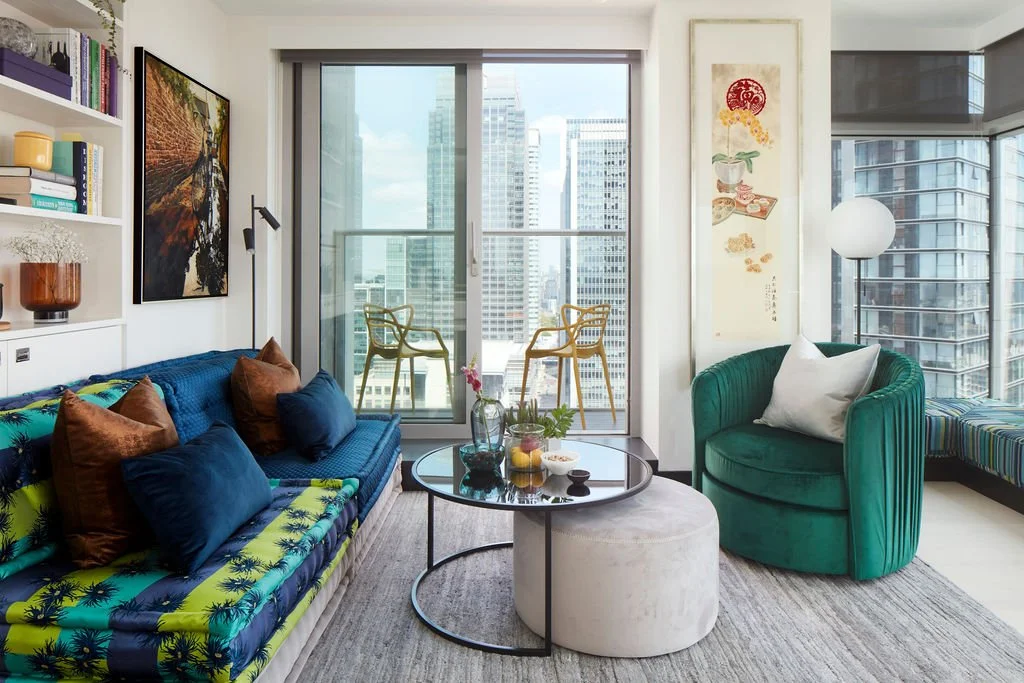
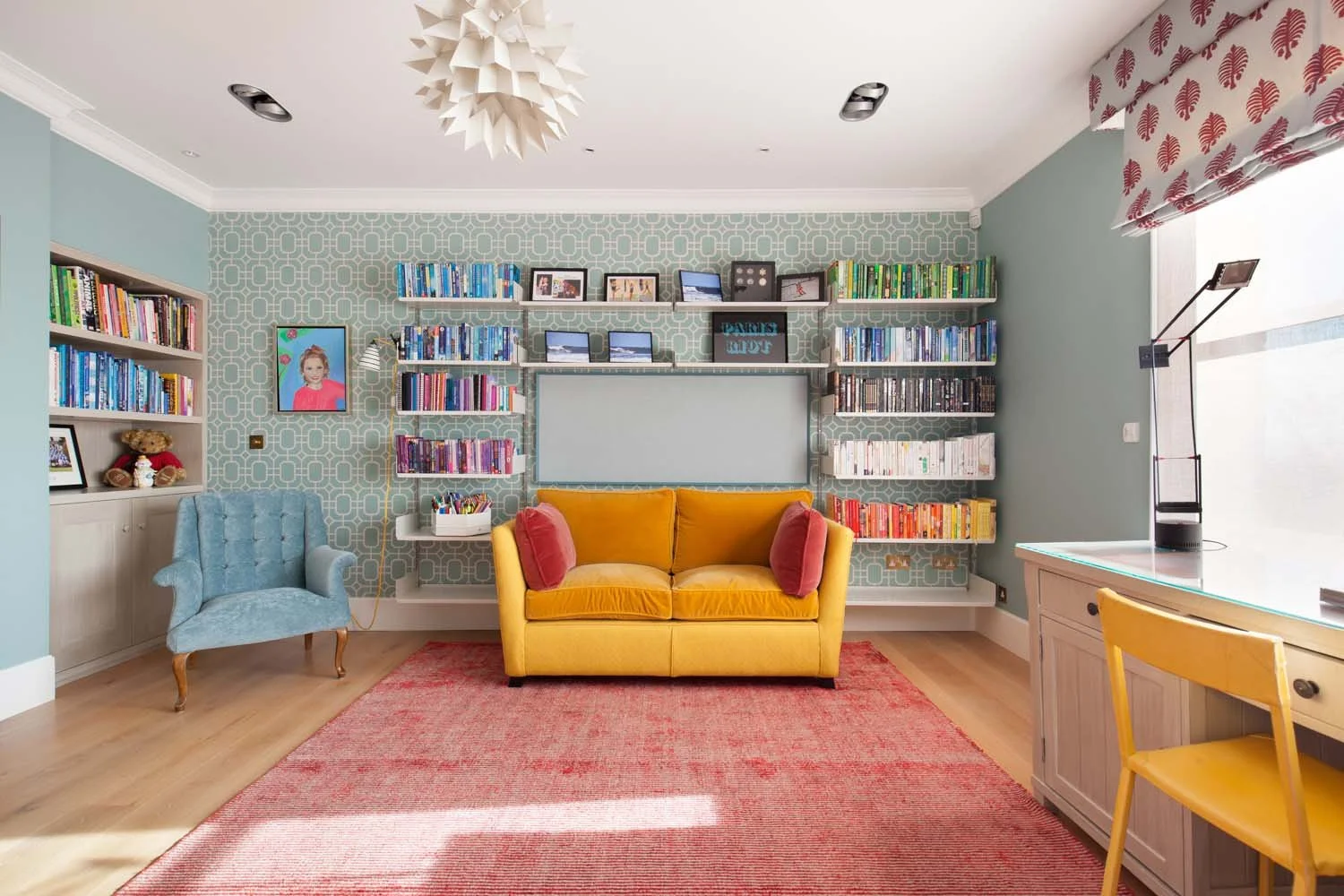
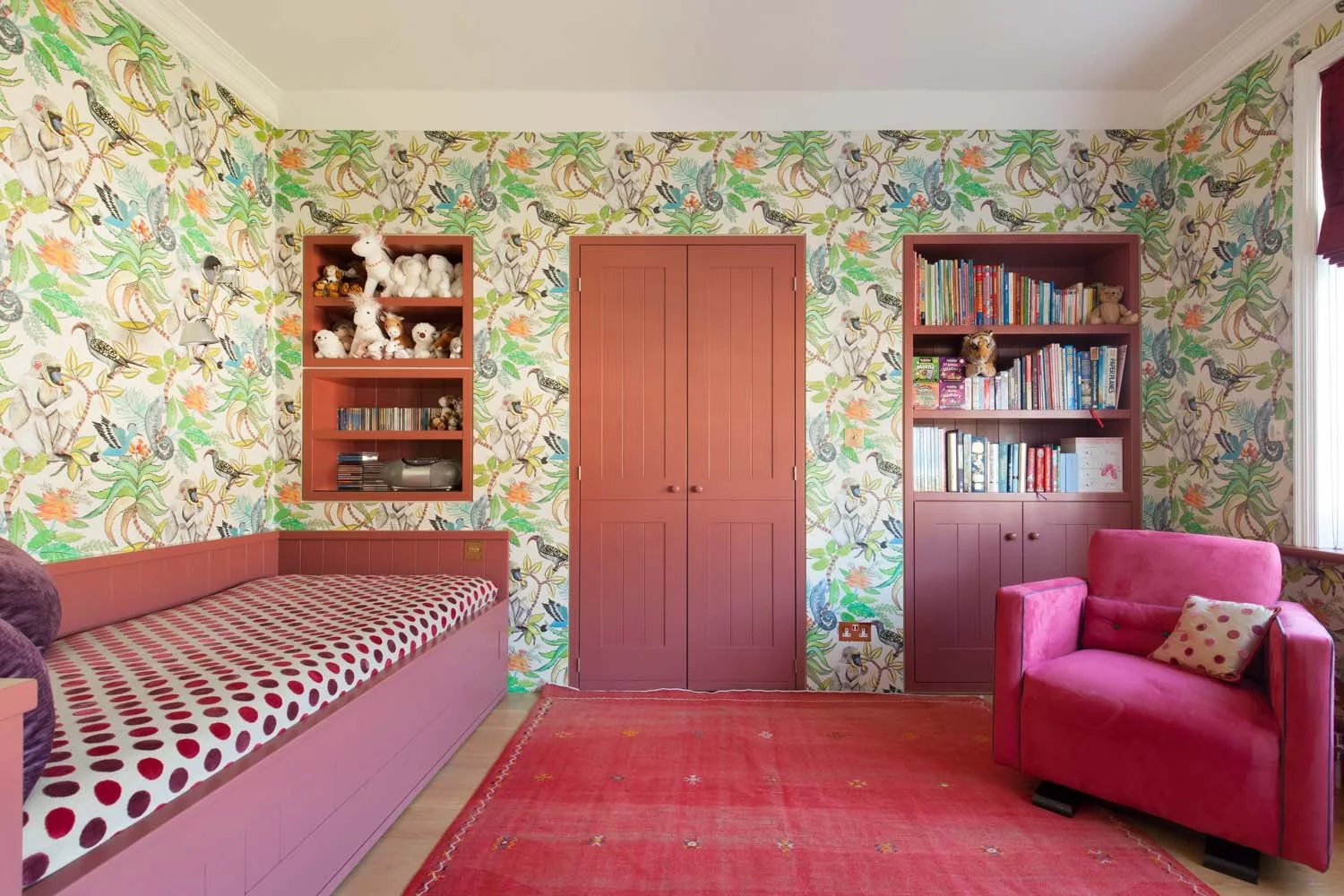
Colour can echo the room — picking up a wall colour, an upholstery or a tone from a favourite painting — or deliberately contrast with it to bring energy. Quiet neutrals let a rug settle into the background; deep teal, burnt orange or mustard give it presence. Pattern follows the character of the house: geometrics for a modern edge and to define seating areas, florals and organic motifs for warmth in a more traditional or eclectic room, abstract designs that carry the room's palette in a more expressive way.
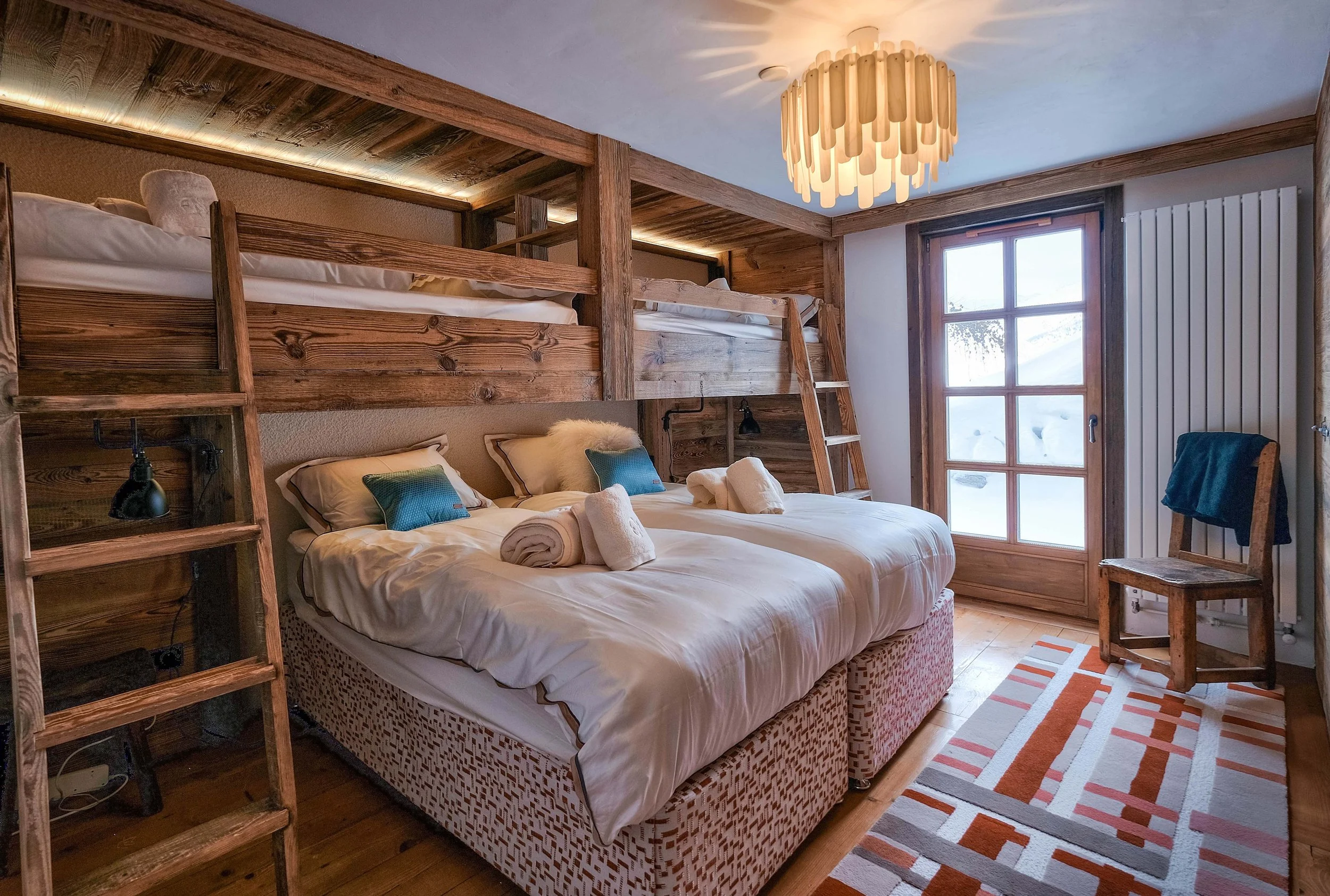
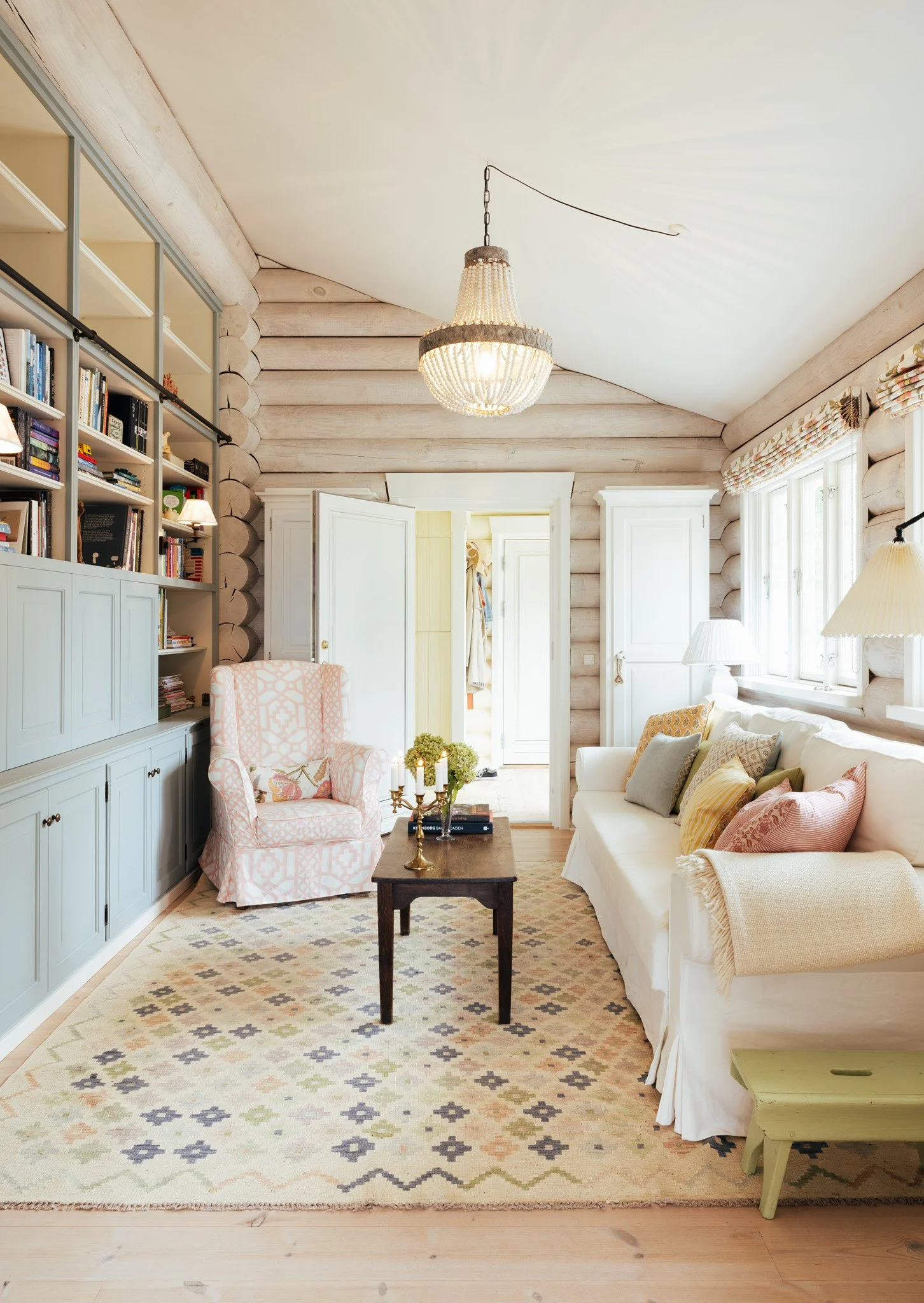
Texture is the most overlooked element and often the most decisive. A high pile in wool or a silk blend brings luxury to a bedroom or reading corner. Flatweaves and low piles are durable and easy to care for in dining rooms and busy family spaces. Raised patterns, carved areas and fringes add depth without crowding the design.

Scale and placement
Size changes everything. A large rug with every piece of furniture standing on it gives a living or dining room real cohesion; letting only the front legs of sofas and chairs rest on the rug creates a more relaxed feel. Smaller rugs work as accents in an entrance hall or beside a bed.
Rugs over underfloor heating need particular care, especially on timber floors. A thick rug can trap heat and create hot spots that damage the wood. Thinner rugs in natural fibres such as wool or jute, with a low thermal resistance, keep the heating efficient and the floor safe.
Made by hand, made to last
A bespoke rug is a long-term investment, and the craftsmanship behind it matters. Jaipur Rugs, India's largest maker of handmade rugs, works directly with its weavers — the great majority of them women — sustaining entire communities while combining handmade tradition with contemporary design. When a rug is made this way, for a particular room and family, it becomes one of the defining pieces of the house and ages with it.

Do you have a project in mind?